Sports Injury Implants in India: Quality Standards and Supplier Insights
India has quietly become one of the most significant players in the global orthopedic device landscape. With a rapidly expanding base of trained arthroscopic surgeons, a growing sports medicine sector, and increasing domestic manufacturing capability, sports injury implant suppliers in India are now serving both local hospitals and international export markets. But rapid growth brings uneven quality – and for surgeons and procurement teams, understanding how to distinguish credible suppliers from unreliable ones has never been more consequential.
This article covers the quality standards that matter, the implant categories driving current demand, and the supplier insights that help orthopedic teams make smarter, safer procurement decisions.
The Quality Baseline: What Certifications Actually Mean
Quality in orthopedic implants is not self-reported – it is certified. The most meaningful certifications for sports injury implant suppliers in India include:
- CE Marking (EU MDR): CE-approved arthroscopy implants and instruments have undergone independent conformity assessment covering safety, biocompatibility, mechanical performance, and clinical evidence. For hospitals sourcing globally comparable devices, CE marking is the primary quality benchmark.
- ISO 13485: The international quality management standard specific to medical device manufacturers. It governs design controls, traceability, sterilisation validation, and post-market surveillance. Any serious arthroscopy implants manufacturer should hold current ISO 13485 certification.
- CDSCO Registration: For devices sold within India, Central Drugs Standard Control Organisation registration is a regulatory requirement. Suppliers without CDSCO registration for their Indian product lines are operating outside the regulatory framework.
Implant Categories Driving Demand in Indian Sports Medicine
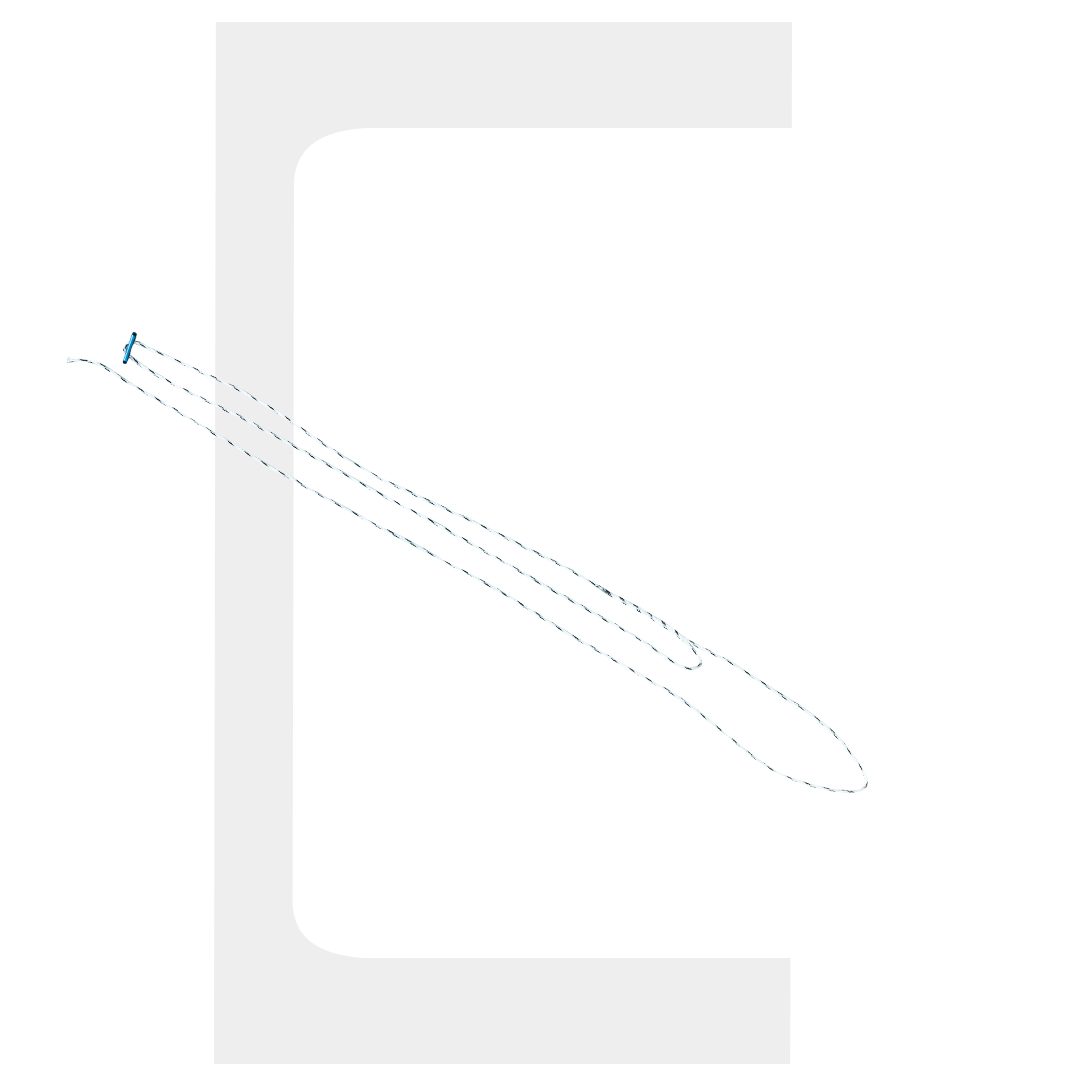
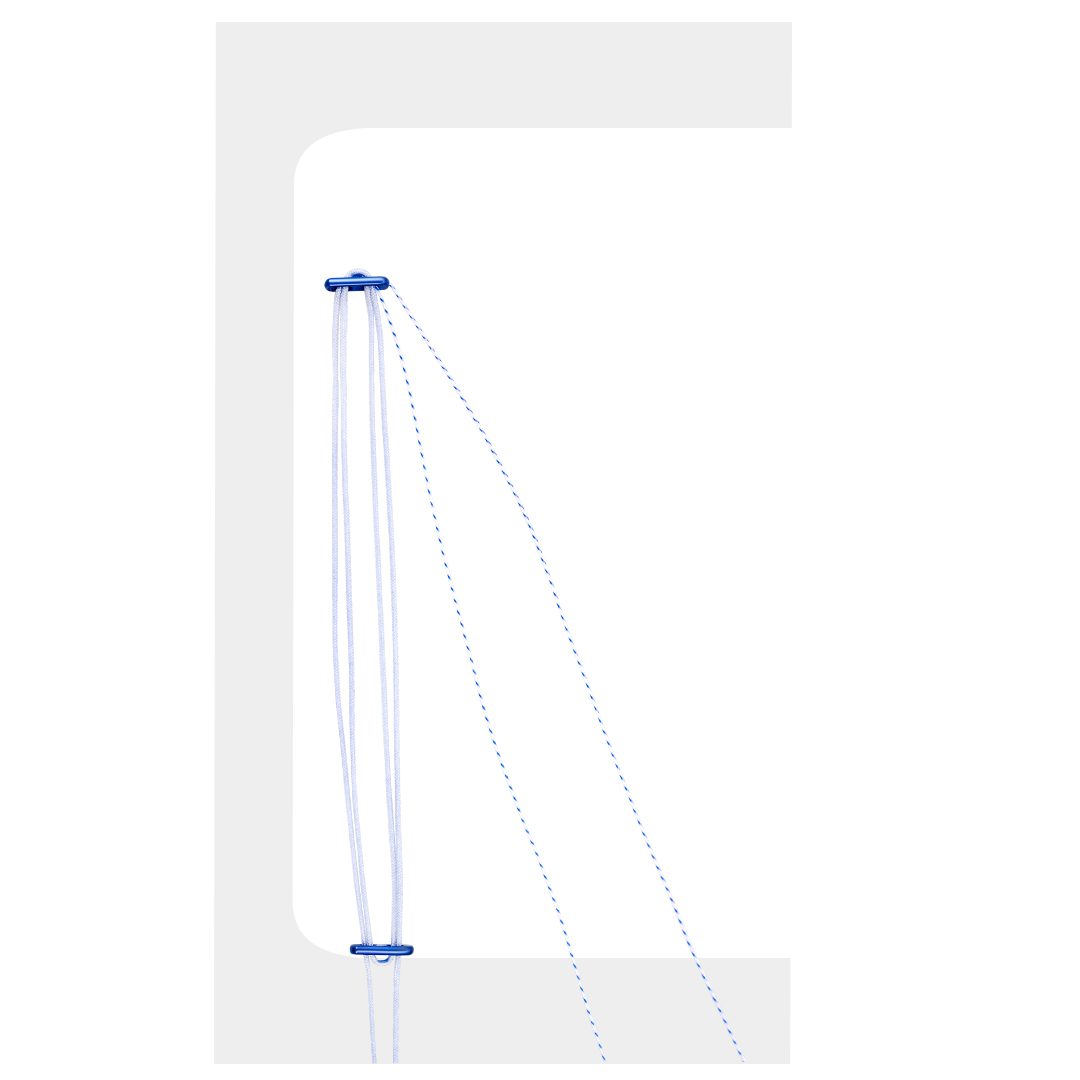
- Biodegradable Suture Anchors
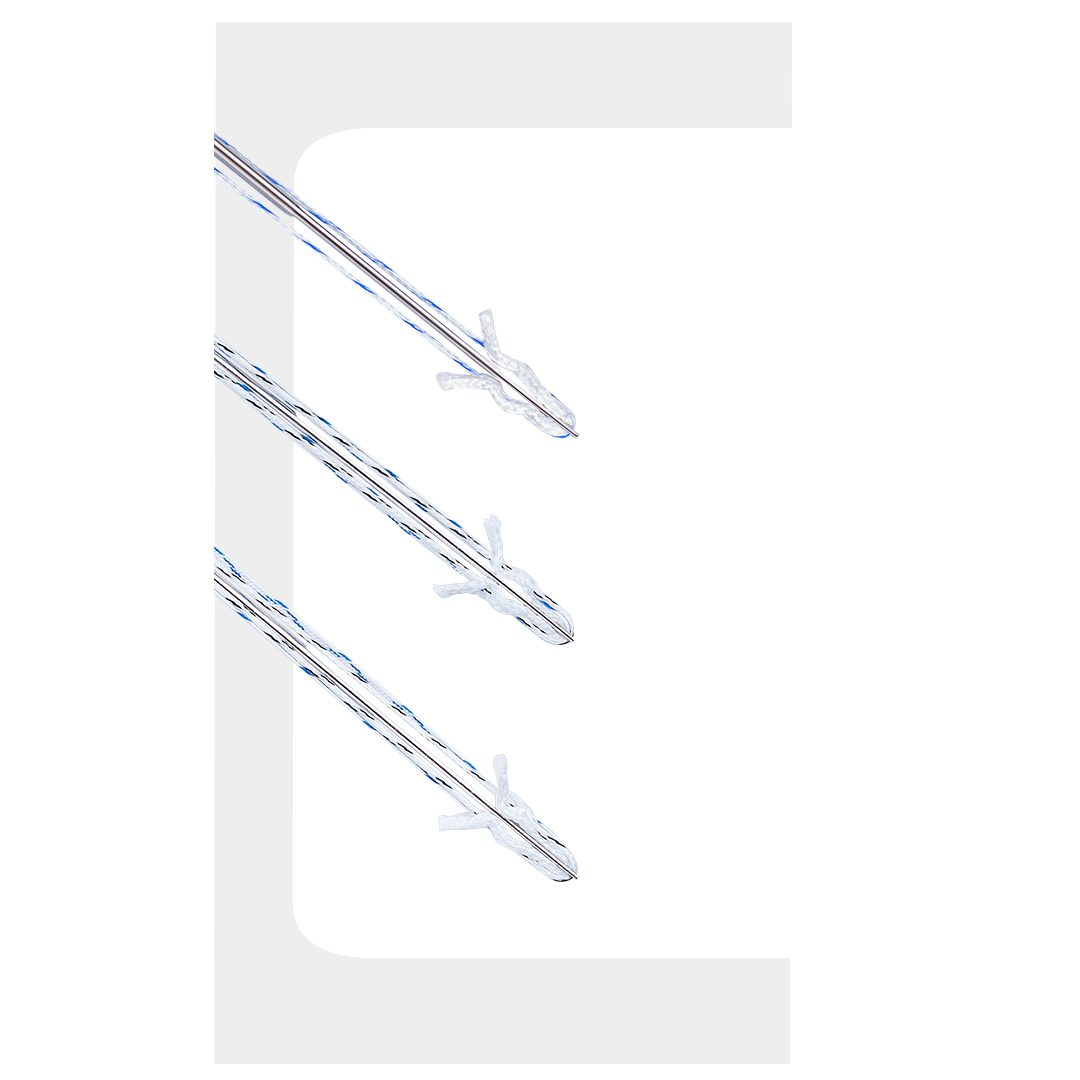
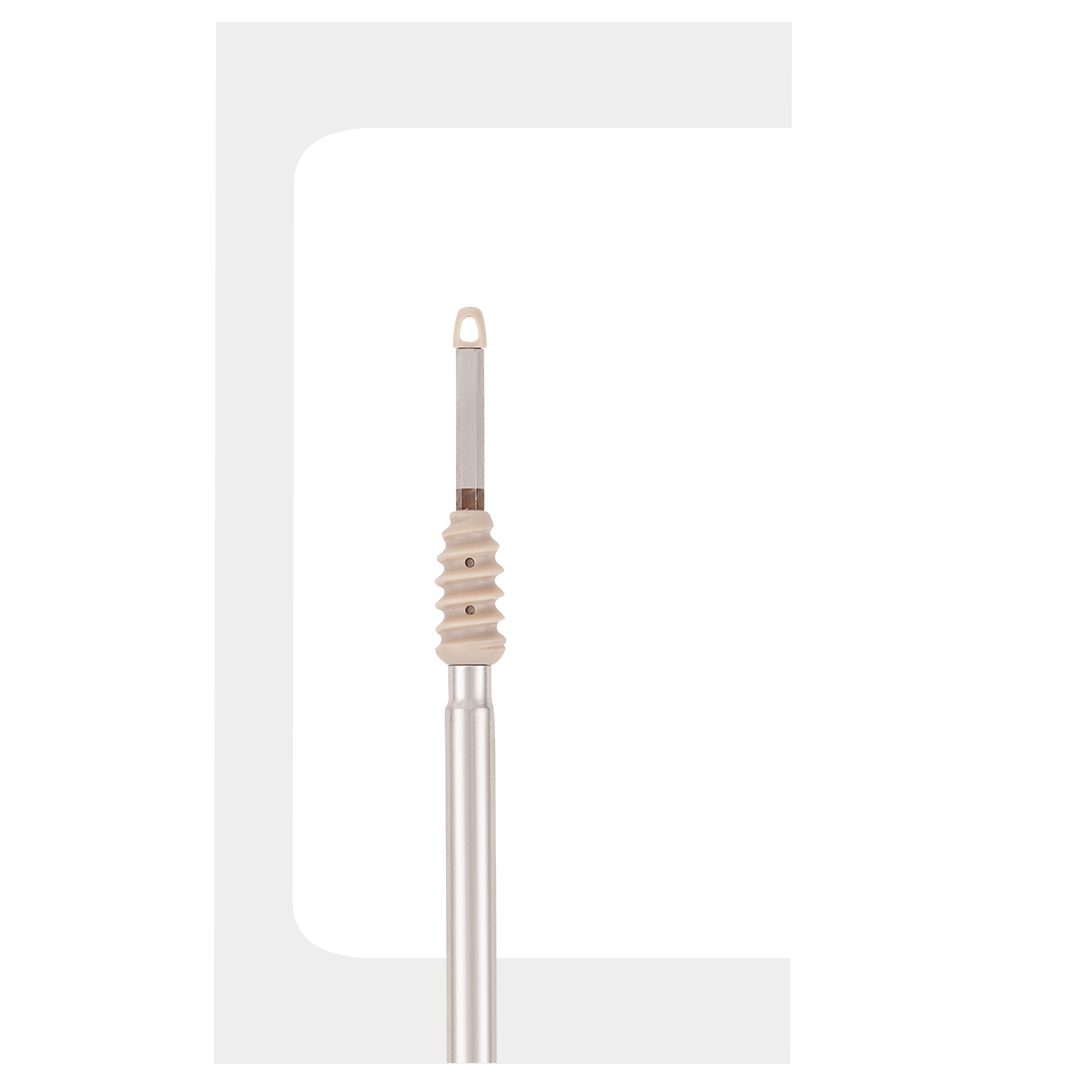
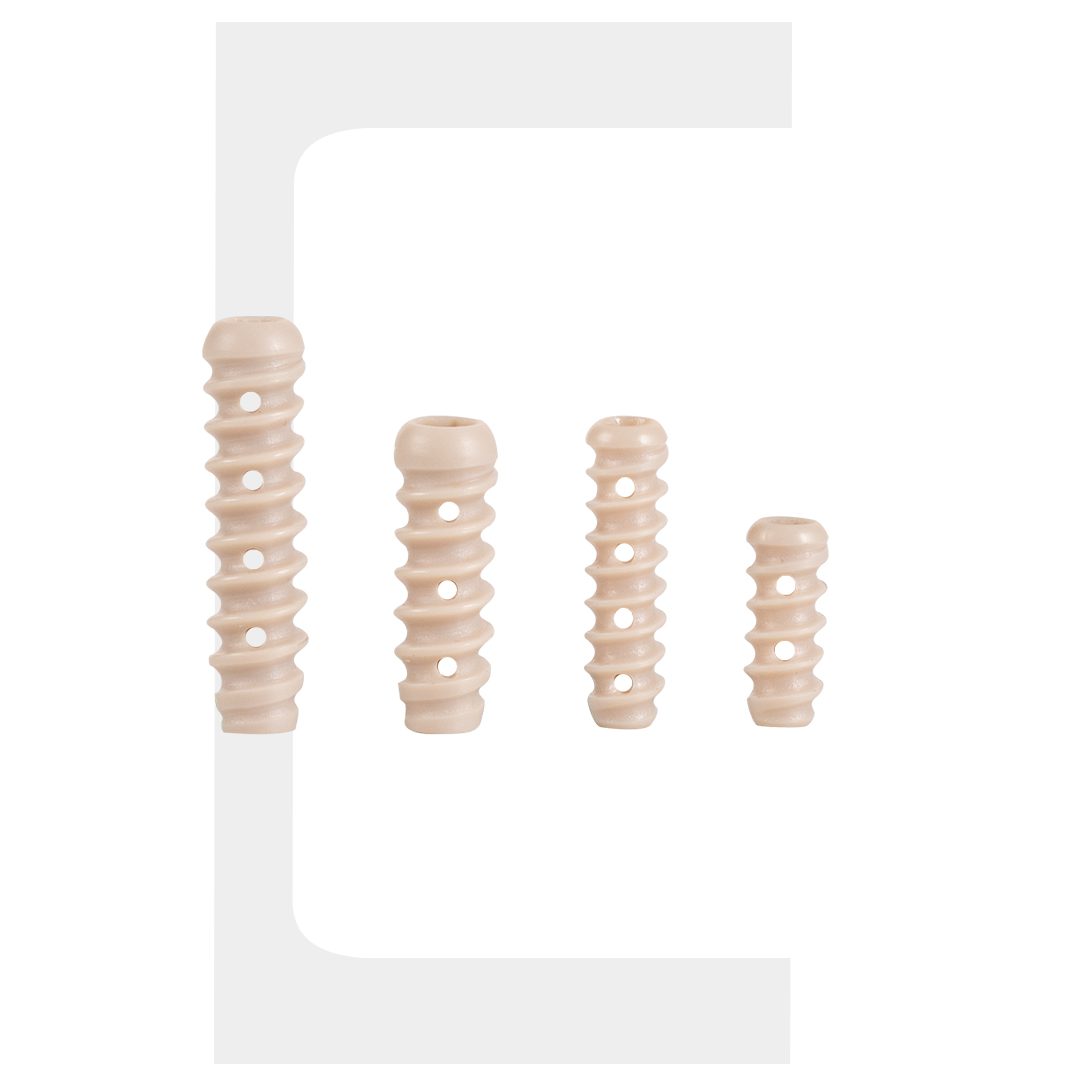
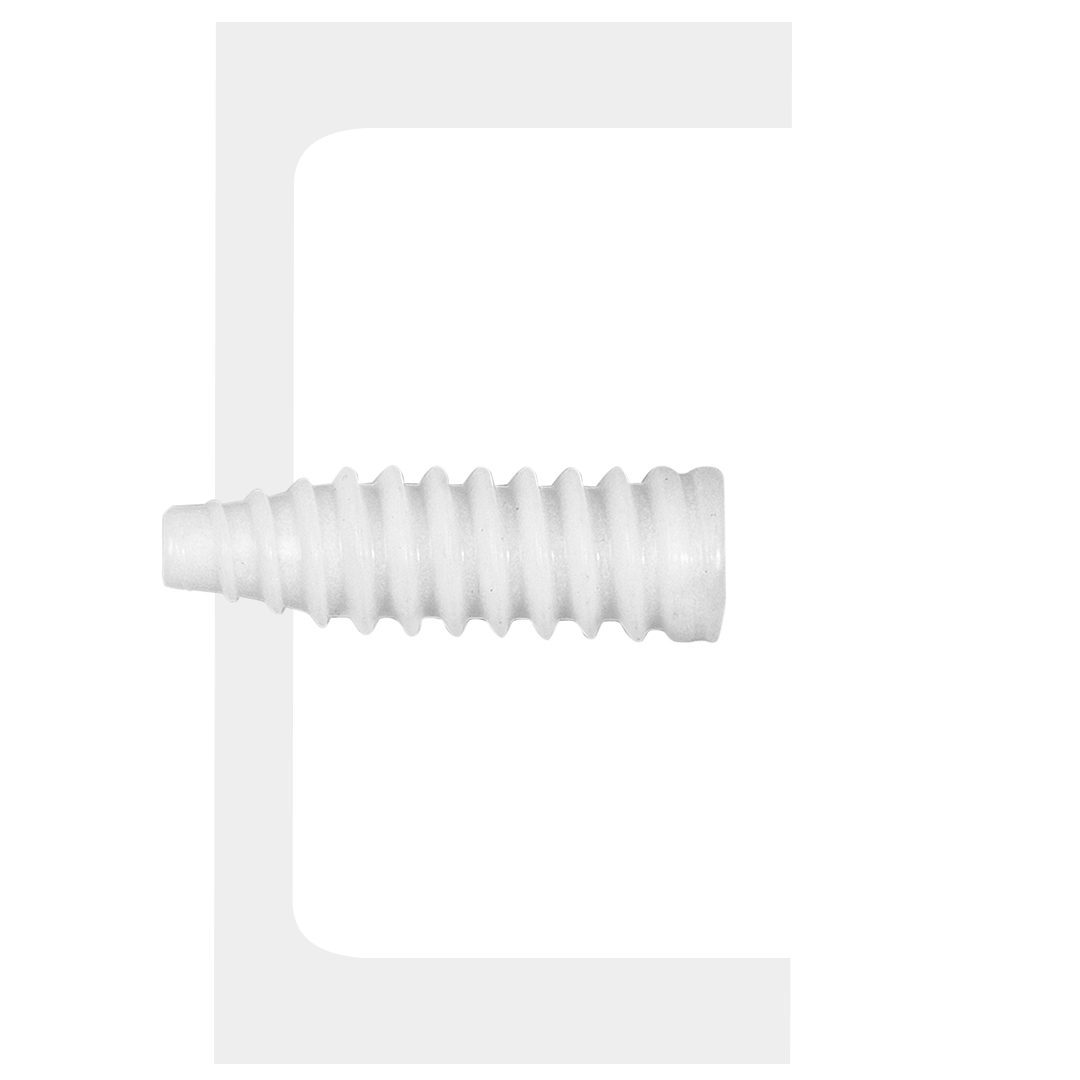
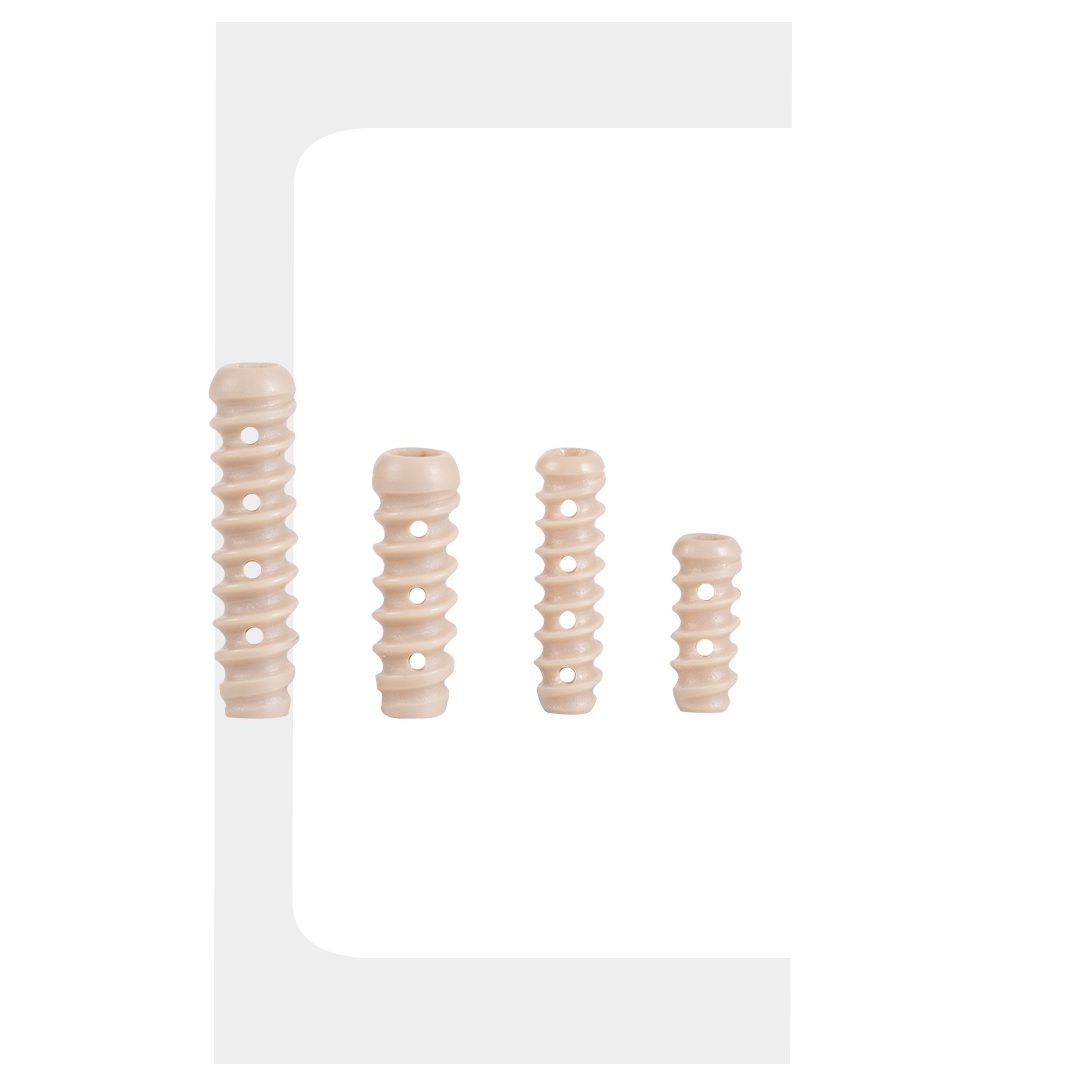
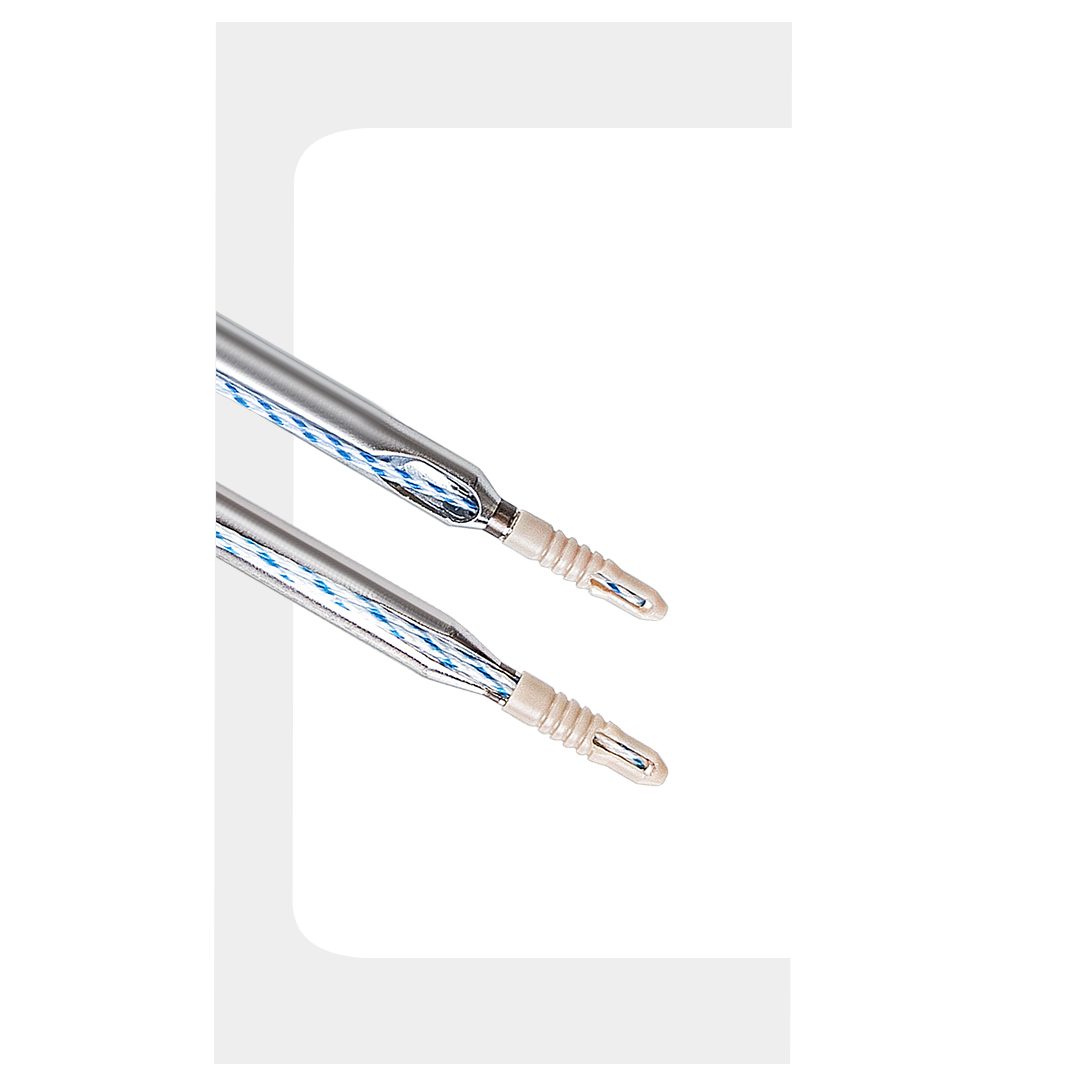
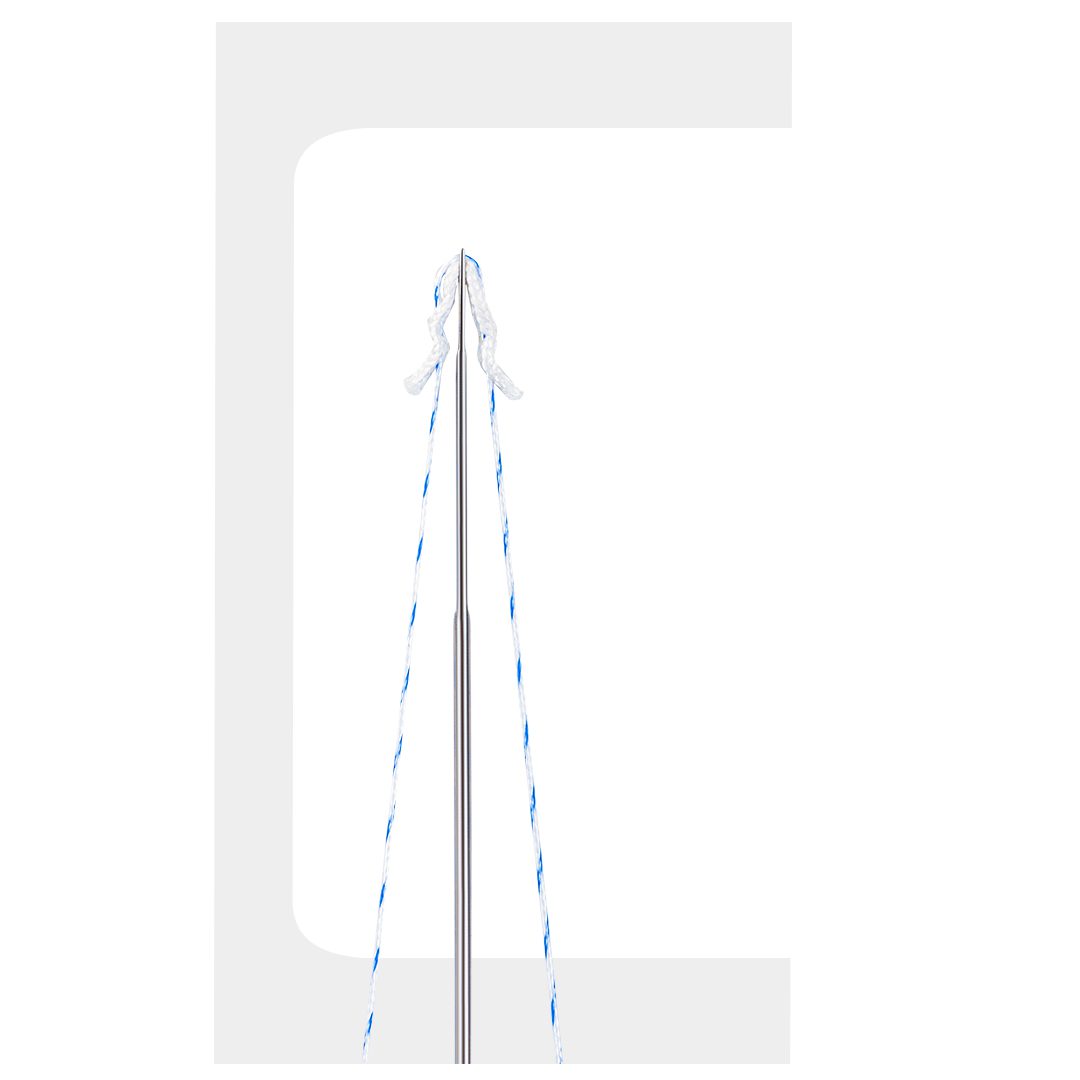
- Demand for biodegradable suture anchors for arthroscopic surgery has grown substantially across Indian orthopedic centres over the past five years. Rotator cuff repair, Bankart reconstruction, and meniscal root repair procedures increasingly favour bioabsorbable anchors made from PLLA, PLGA, or bio-composite blends. These devices resorb over 12 to 36 months, eliminating the permanent implant burden associated with metal anchors and simplifying potential revision surgery.
- The quality difference between bioabsorbable anchors from certified manufacturers and unverified sources can be significant. Resorption kinetics, polymer purity, and sterilisation method all affect how the implant performs in vivo – and none of these variables are visible at the point of purchase without documented testing data.
- Sports Injury Repair Implants with Biodegradable Anchors
- Sports injury repair implants with biodegradable anchors are now the preferred construct in many high-volume arthroscopy centres for younger, active patients. The clinical rationale is clear: a joint that heals without a permanent foreign body is a joint with fewer long-term complications. Indian suppliers with strong manufacturing capability in this category are increasingly competitive with established European and American device companies – provided their quality certifications and clinical evidence are in order.
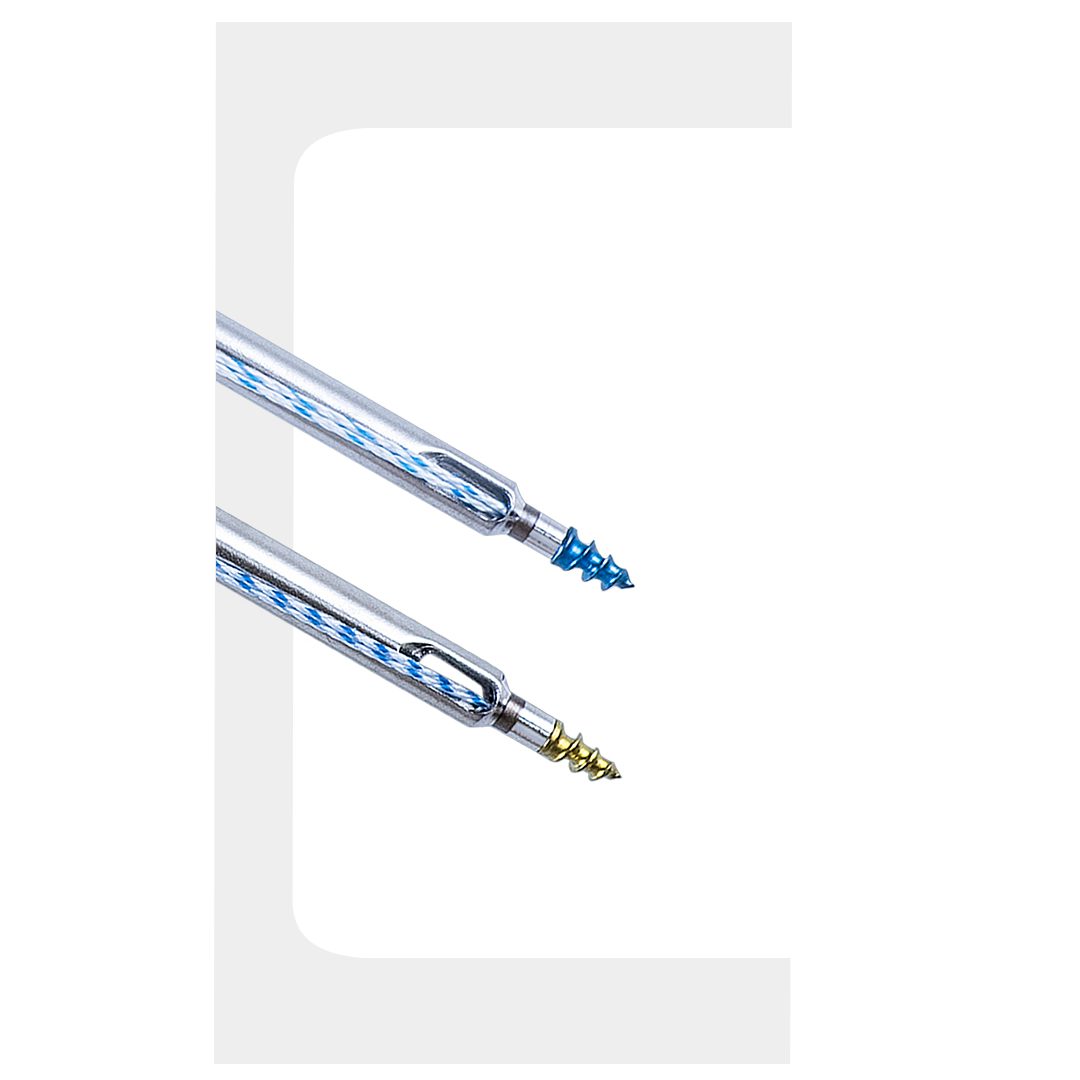
- Metal Anchors and Non-Biodegradable Implants
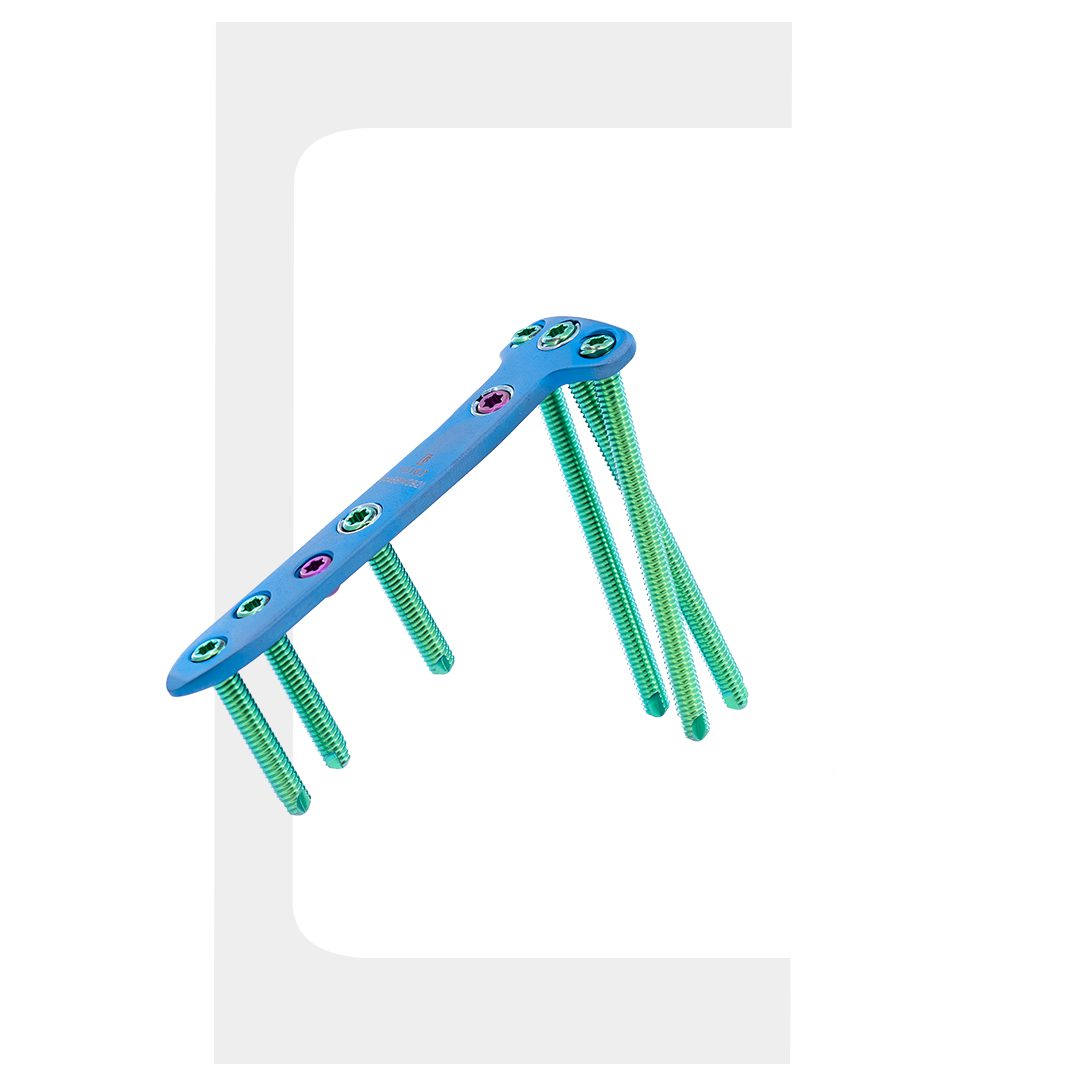
- The choice between biodegradable vs non-biodegradable implants remains procedure- and patient-specific. Titanium anchors continue to hold a place in high-load fixation, osteoporotic bone, and revision cases where maximum pullout strength and long-term mechanical stability are priorities. A well-rounded supplier portfolio should include both categories, allowing the surgical team to select based on clinical indication rather than supplier inventory limitations.
Quality Standards at a Glance
| Standard | Scope | Why It Matters |
|---|---|---|
|
CE Marking (EU MDR) |
Safety, performance, clinical evidence |
Independent conformity – not self declared |
|
ISO 13485 |
Quality management system |
Governs design, traceability, sterilisation |
|
CDSCO Registration |
Indian market regulatory compliance |
Legal requirement for domestic sales |
|
Biocompatibility (ISO 10993) |
Tissue and systemic safety |
Critical for bioabsorbable anchor materials |
|
Sterilisation Validation |
Sterility assurance level (SAL 10⁻⁶) |
Prevents surgical site infection risk |
What Separates Leading Arthroscopy Implant Manufacturers
Beyond certifications, the best arthroscopy implants manufacturers differentiate themselves through three additional dimensions:
- Independent clinical evidence: Published, peer-reviewed studies not manufacturer data sheets that demonstrate device performance over minimum two-year follow-up. This applies equally to bioabsorbable anchors and metal constructs.
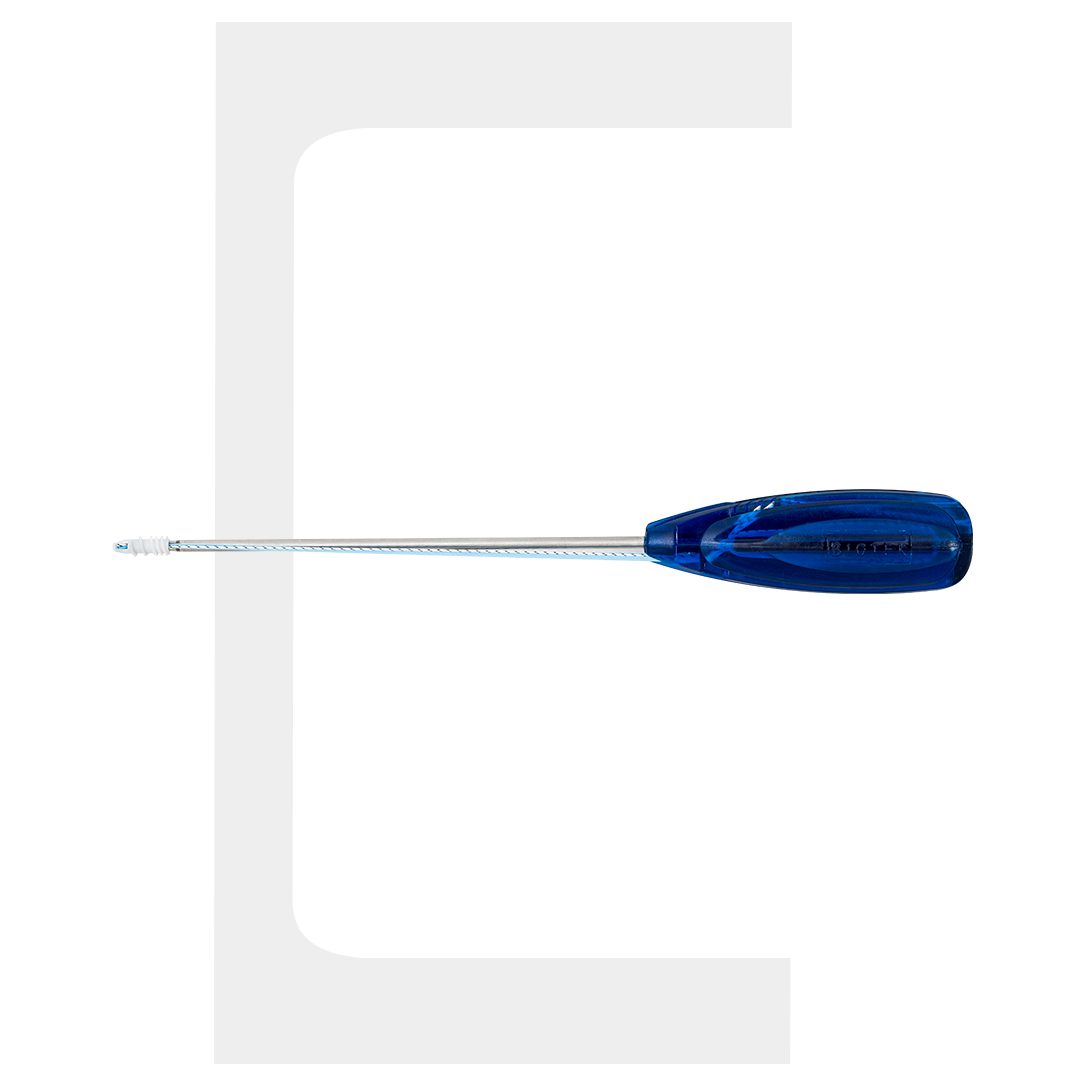
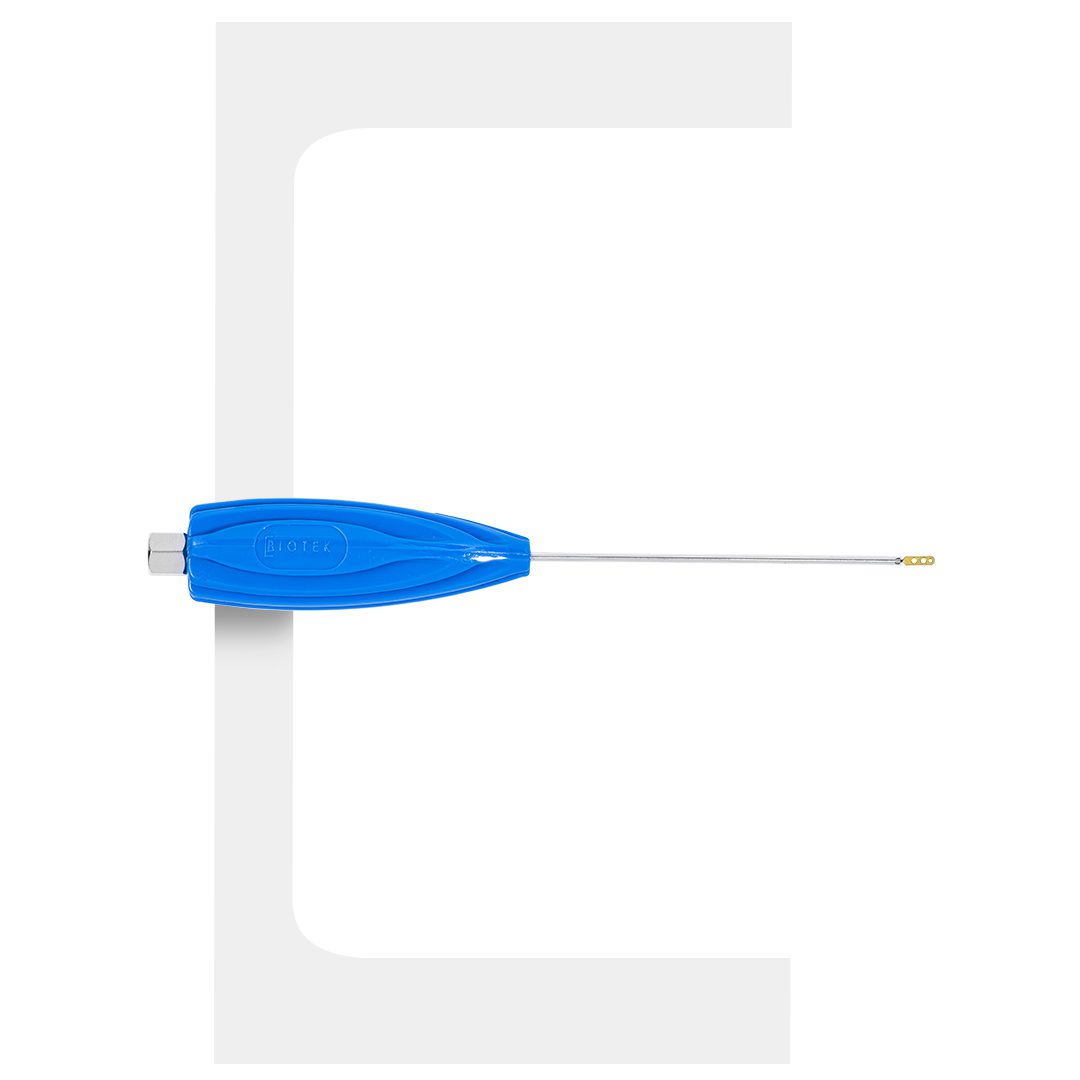
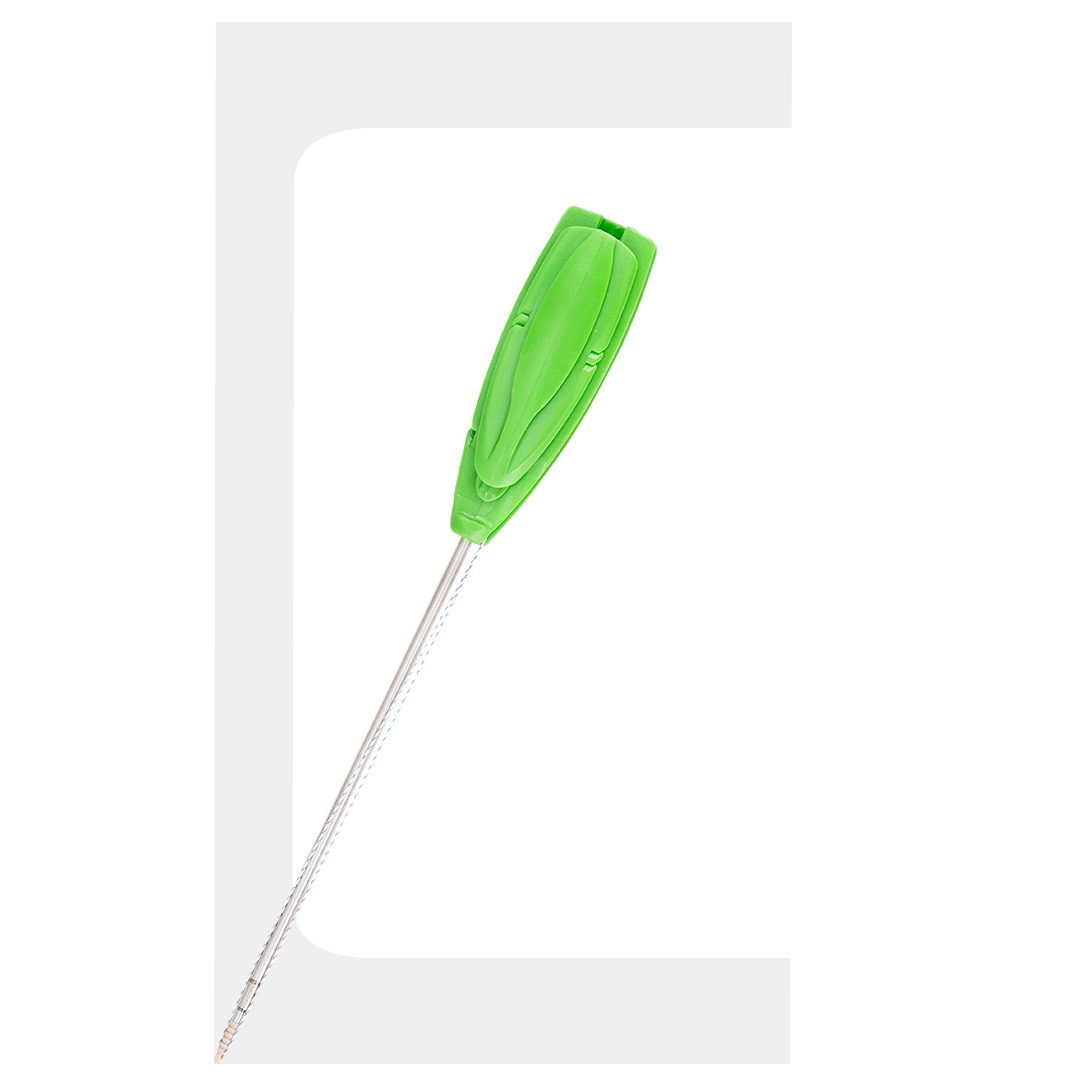
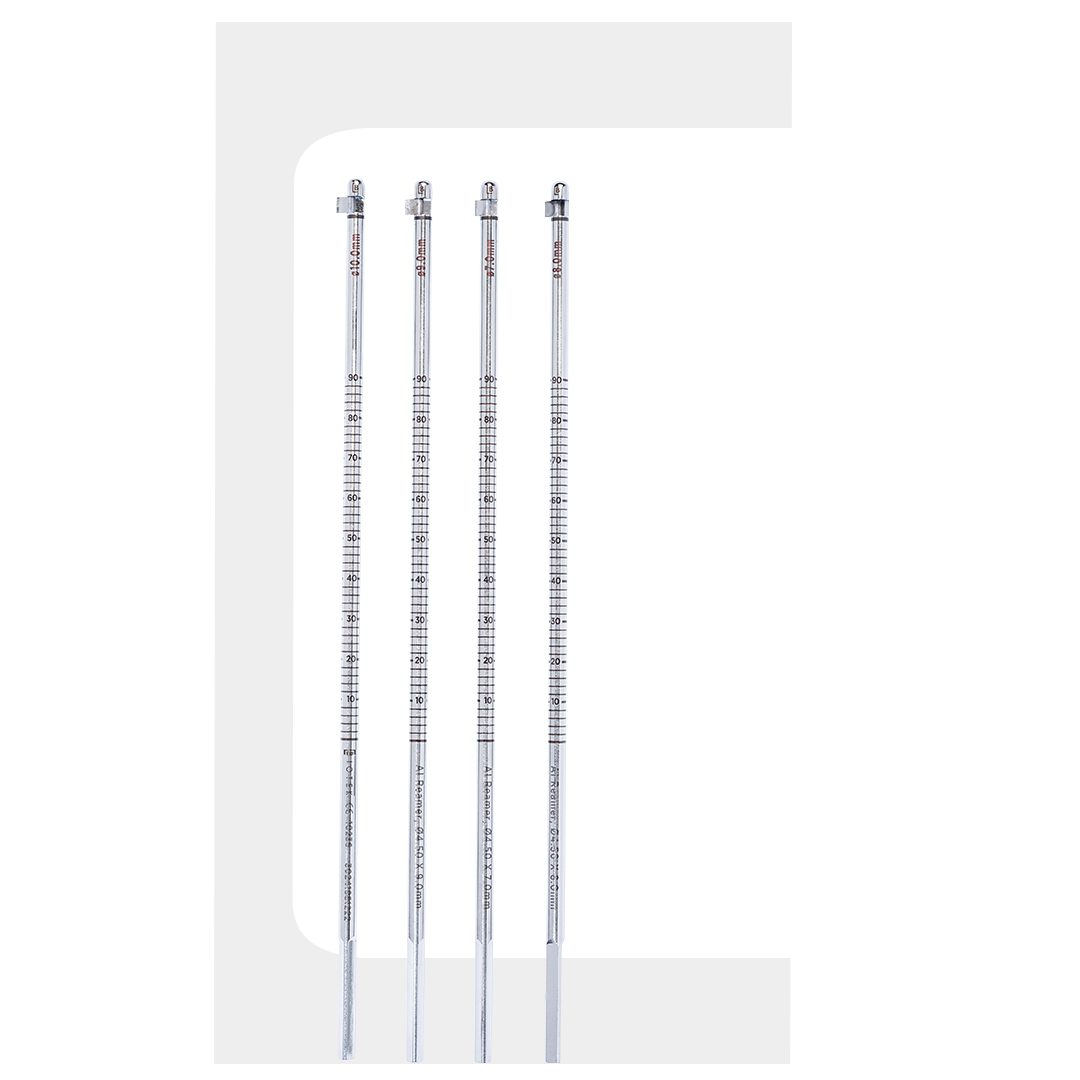
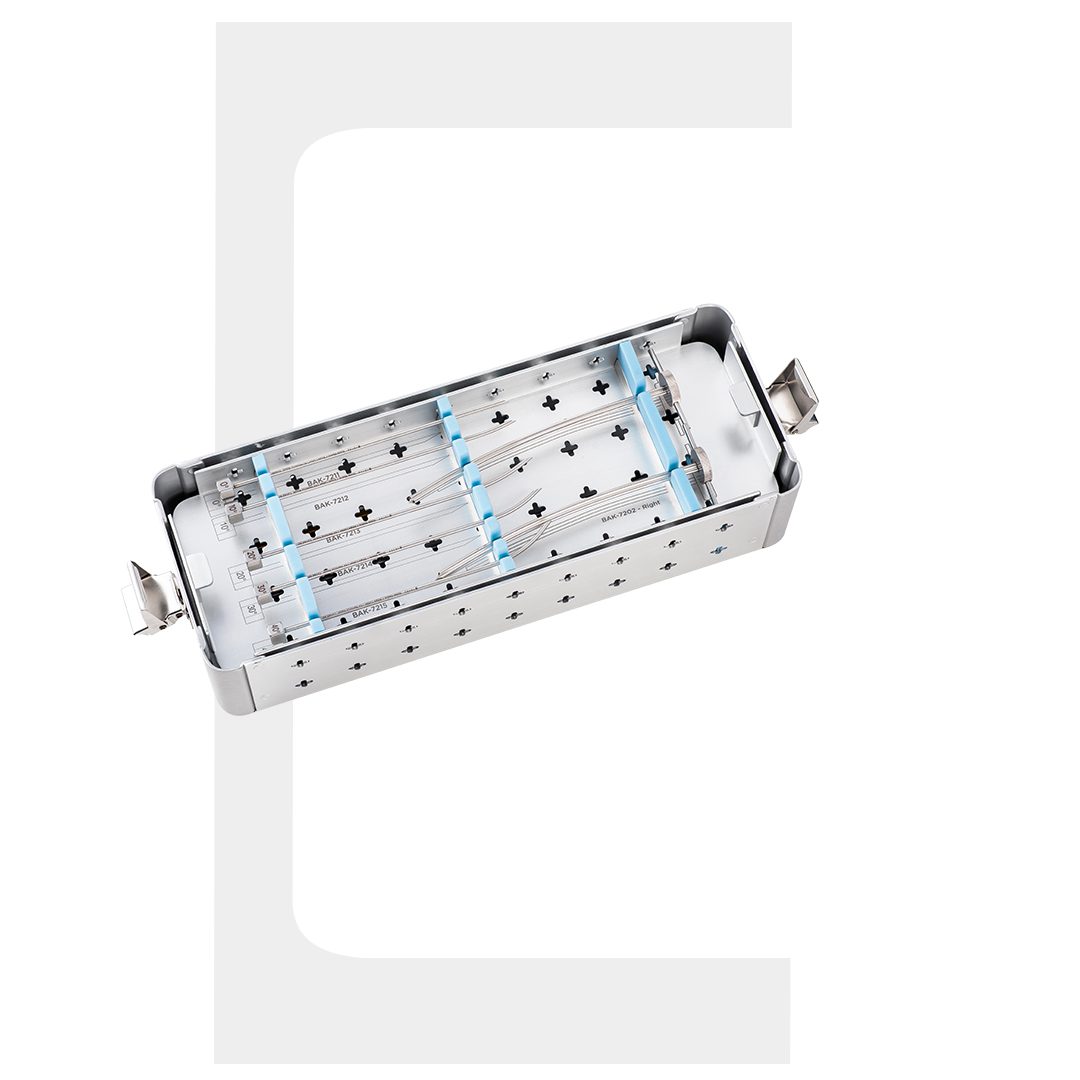
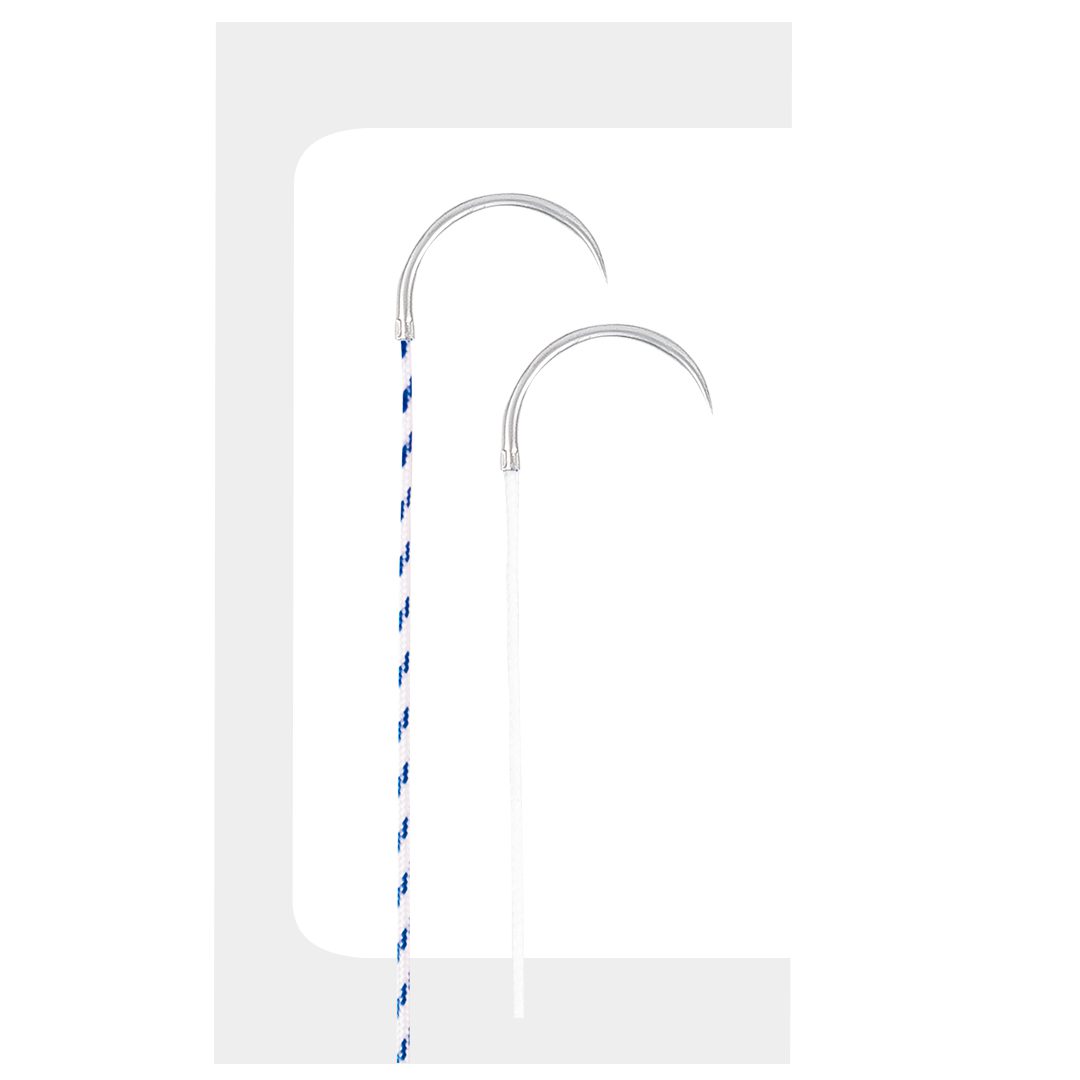
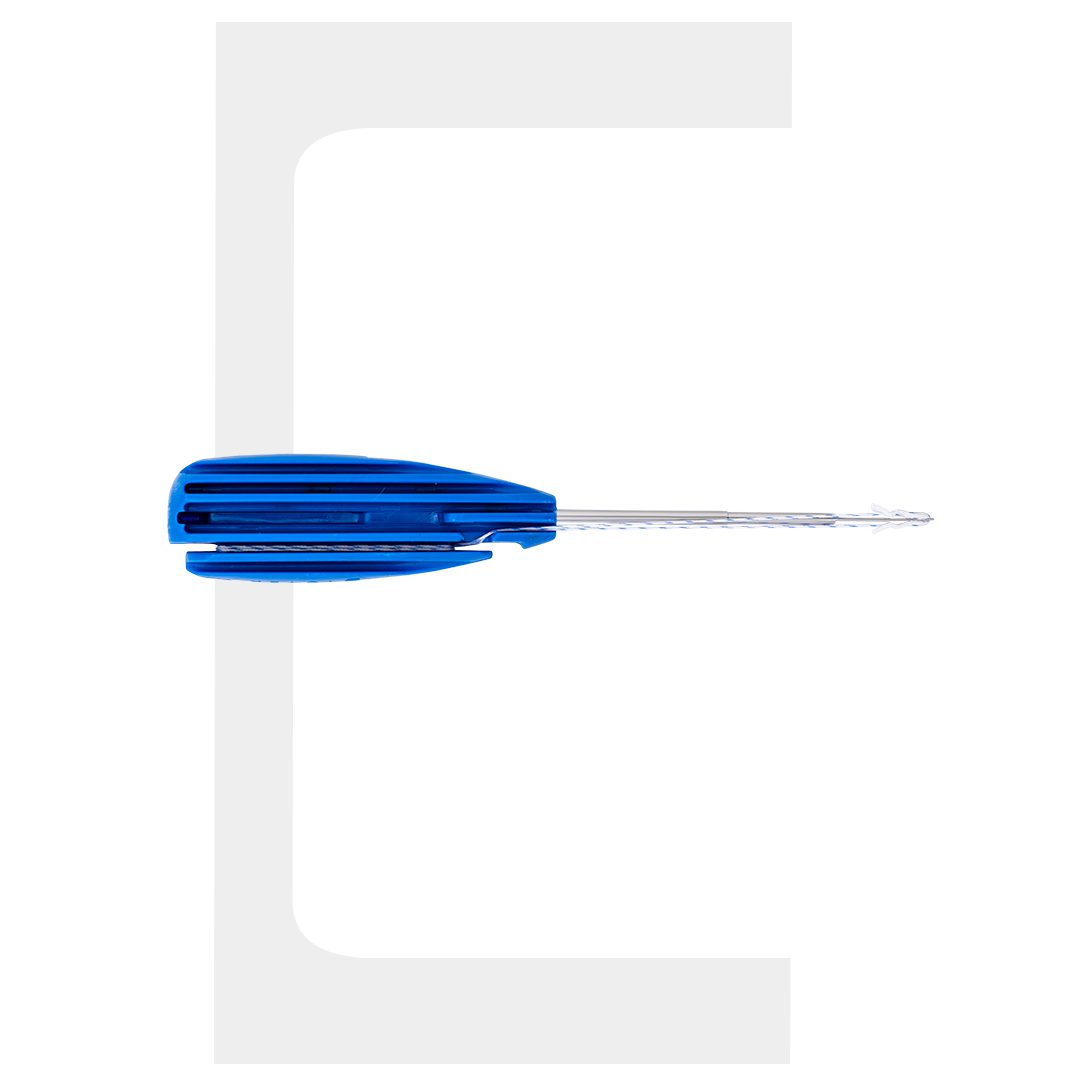
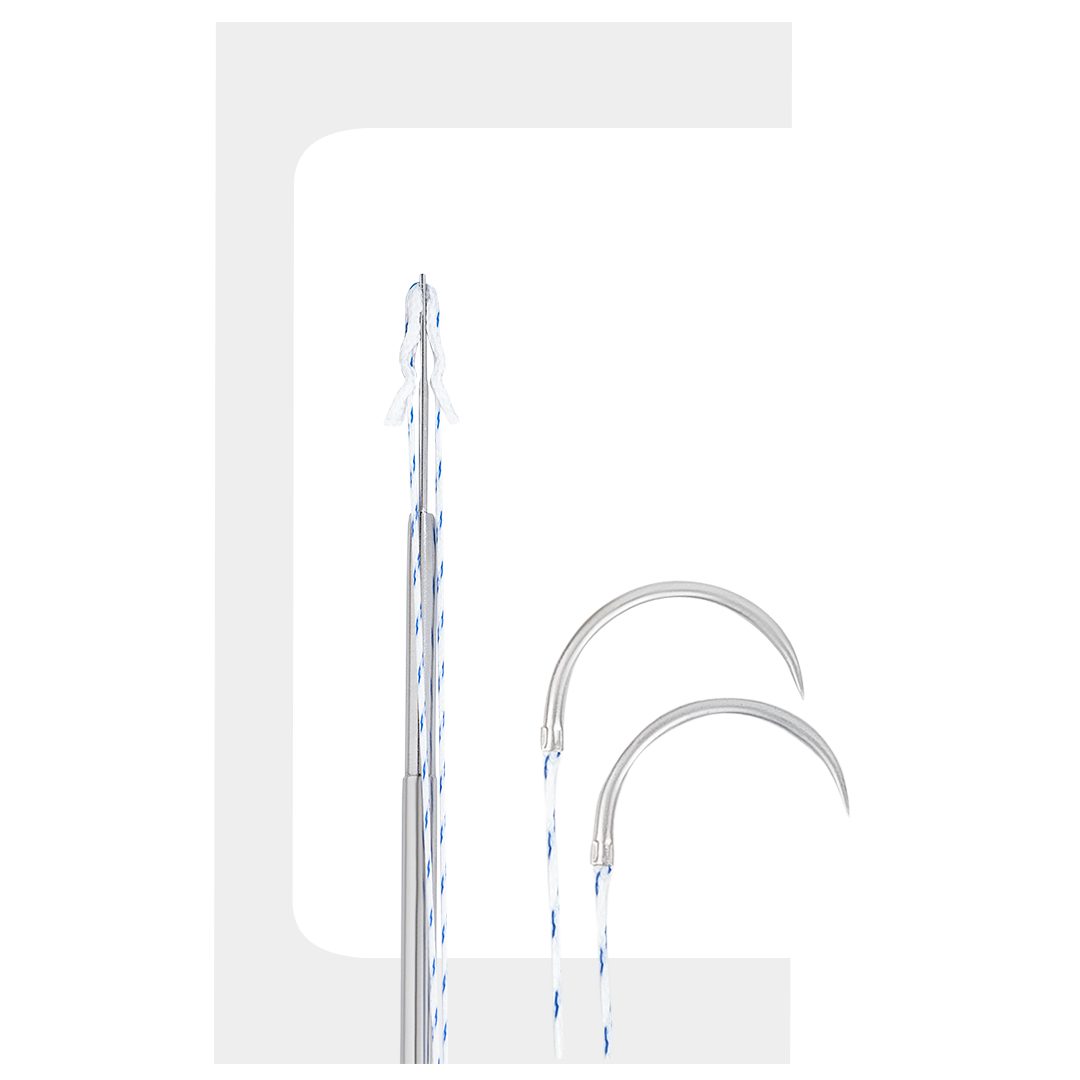
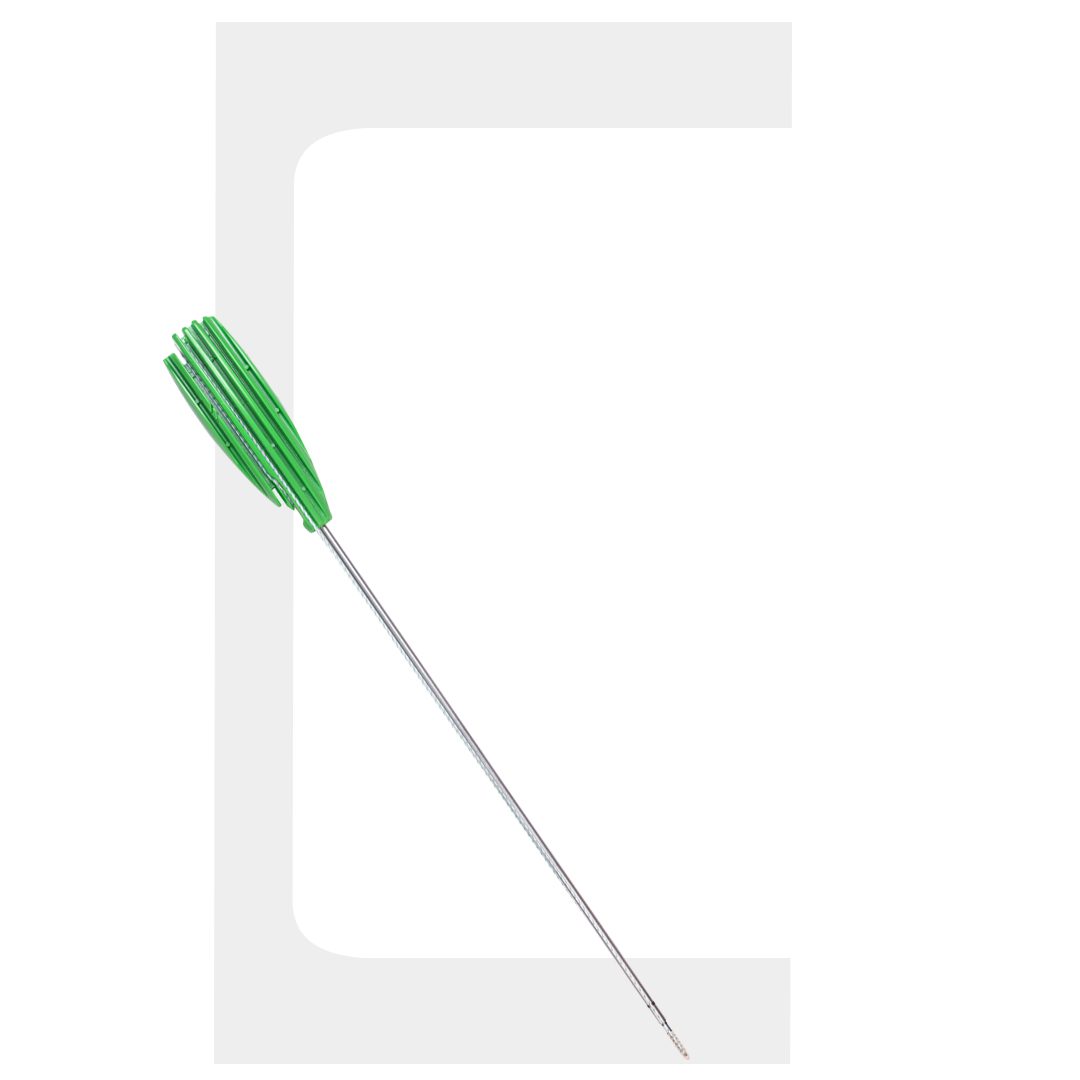
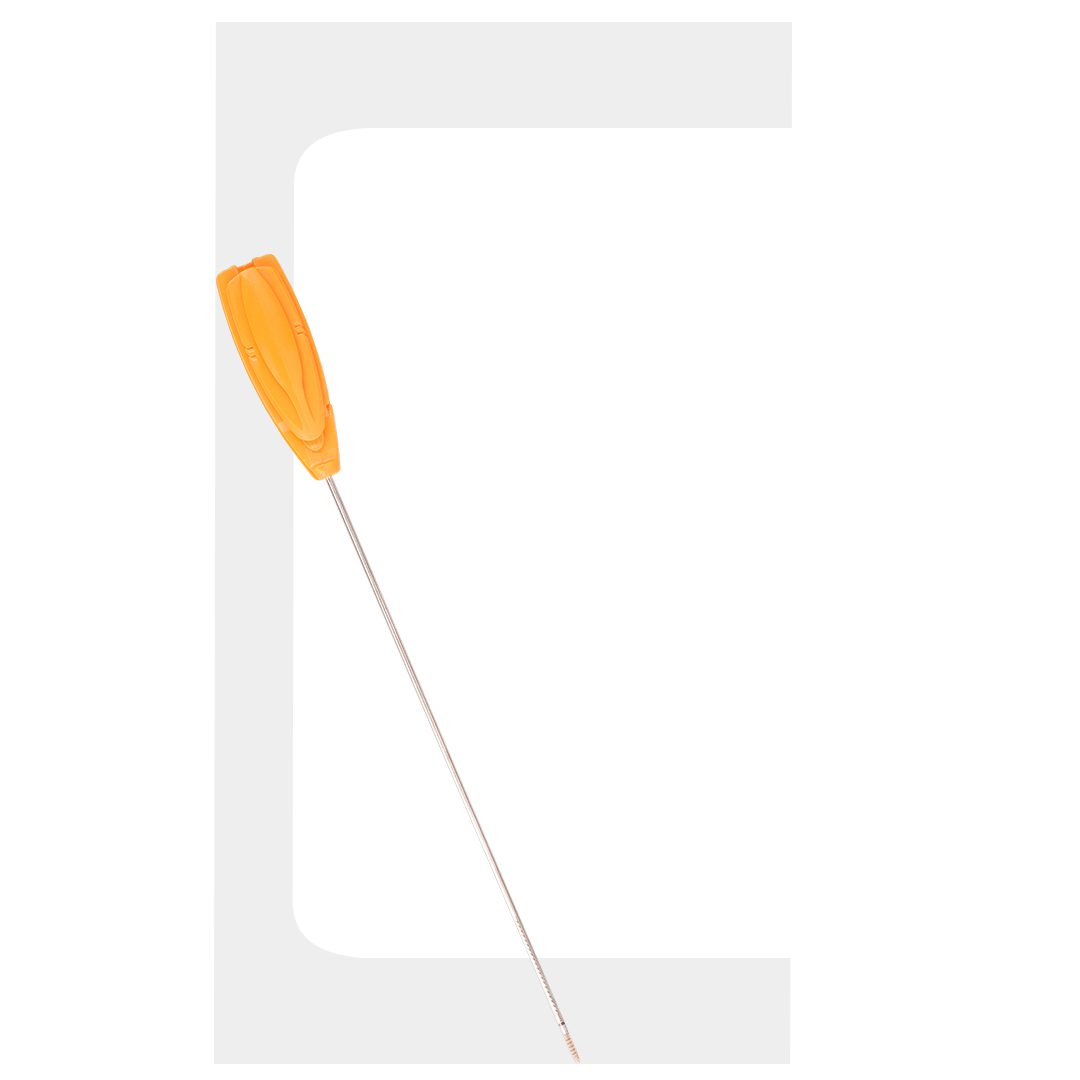
- Integrated instrumentation: CE-approved arthroscopy implants and instruments that are designed and validated as a system. Biodegradable suture anchors for arthroscopic surgery perform best with purpose-built inserters that are ergonomic, portal-compatible, and provide consistent deployment feedback.
- Surgeon and theatre support: In-service training, cadaveric workshops, and responsive intraoperative support particularly important when hospitals are transitioning from metal to biodegradable implant systems.
Frequently Asked Questions
1. Are Indian sports injury implant suppliers reliable for CE-approved devices?
2. What is the difference between bioabsorbable and non-biodegradable implants in arthroscopy?
3. How do I verify the quality of biodegradable suture anchors from an Indian supplier?
4. Do CE-approved arthroscopy implants and instruments cost more than uncertified alternatives?
Conclusion
The Indian sports medicine implant market has matured significantly but maturity does not mean uniformity. Sports injury implant suppliers in India range from globally competitive manufacturers with full regulatory certification to suppliers whose quality controls fall well short of clinical requirements. The gap between them is not always visible from a price list.
Surgeons and procurement teams who apply the quality framework outlined above prioritising CE-approved arthroscopy implants and instruments, verifying ISO and CDSCO credentials, demanding independent clinical evidence, and evaluating the full portfolio including sports injury repair implants with biodegradable anchors will consistently identify the suppliers worth trusting. In orthopedic surgery, that trust is ultimately expressed in the outcomes of every patient who goes under the scope.