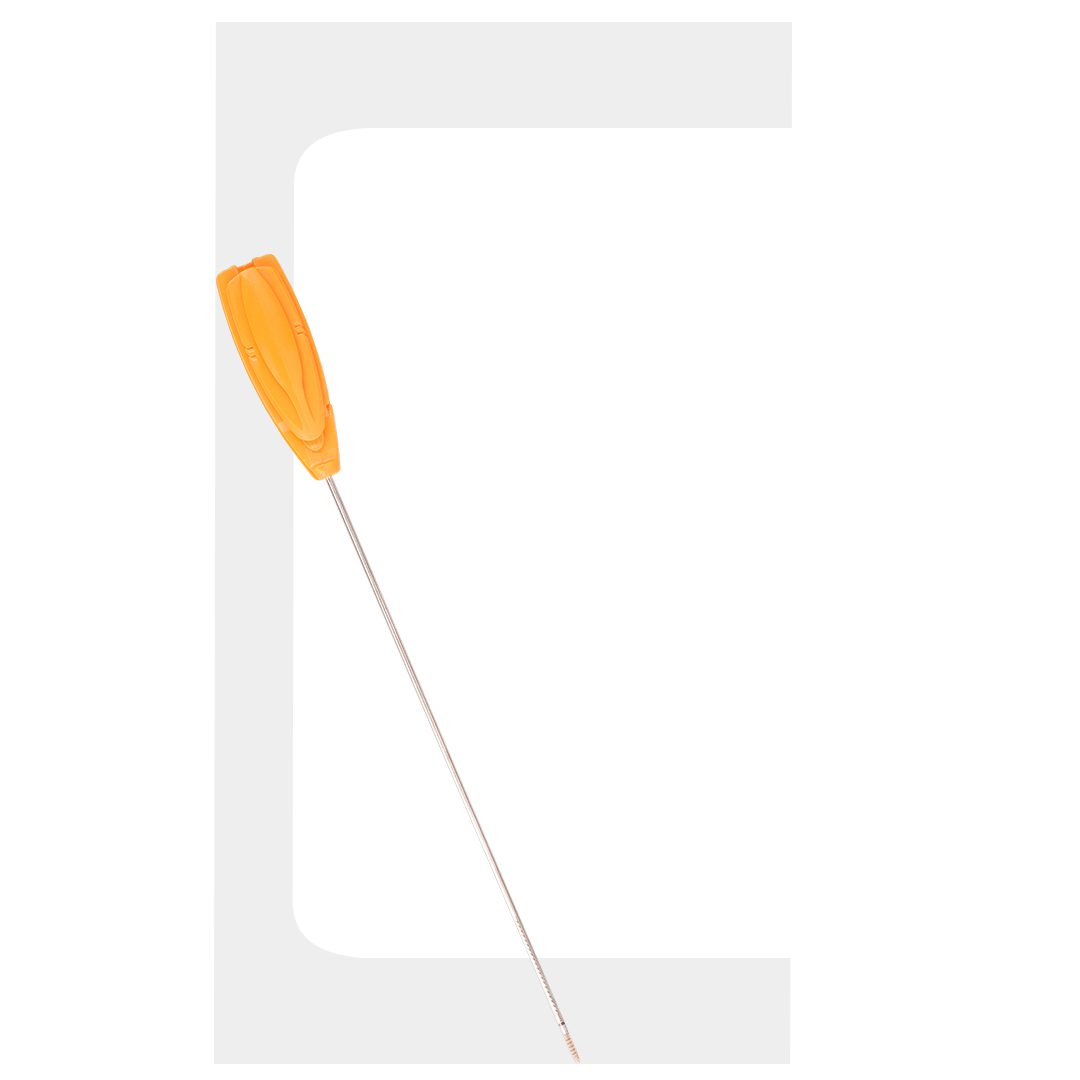
Why CE-Certified Arthroscopy Devices Matter in Orthopedic Surgery
In orthopedic surgery, every device in the sterile field carries a level of assumed trust. Surgeons trust that the anchor will hold. Patients trust that the implant is safe. Hospital administrators trust that the devices meet the standards they have been told they meet. But trust without verification is a clinical and regulatory risk. That is precisely why CE-certified arthroscopy devices have become a non-negotiable standard – not just in Europe, but in operating rooms around the world.
This article explains what CE certification actually means, why it matters in arthroscopic practice, and how the global growth of sports medicine manufacturing – including from India – is reshaping how hospitals source top CE-certified arthroscopy devices.
What CE Certification Actually Means
CE marking is not a quality award or a marketing designation. Under the EU Medical Device Regulation (MDR 2017/745), it is a legal declaration that a device has been assessed by a notified body and found to meet the regulation’s requirements for safety, performance, and clinical evidence. For CE-certified orthopedic arthroscopy products, this assessment covers:
– Biocompatibility: Verified under ISO 10993 to confirm the device does not cause adverse tissue reactions in vivo.
– Mechanical performance: Pullout strength, fatigue resistance, and load-bearing capacity are tested under conditions that simulate clinical use.
– Clinical evidence: Post-market clinical follow-up data demonstrating that the device performs as intended when used as intended.
– Sterilisation validation: Confirmed sterility assurance level (SAL 10⁻⁶) using validated sterilisation processes.
Why It Matters in Arthroscopic Surgery Specifically
Arthroscopic procedures introduce implants into small, confined joint spaces where implant failure has immediate and serious consequences – re-tear, cartilage damage, joint infection, or the need for revision surgery. The margin for error is narrow.
Top CE-certified arthroscopy devices are validated not only in bench testing but also in clinical environments that reflect real operative conditions – fluid-filled joints, variable bone density, and surgeons at different experience levels. This real-world validation differentiates a certified device from an uncertified device that may perform well in laboratory testing but fail unpredictably in surgery.
For hospitals sourcing CE-certified orthopedic arthroscopy products, certification also carries regulatory and liability implications. Using non-CE-certified devices in a CE-regulated market exposes the hospital, the surgeon, and the patient to avoidable legal and clinical risk.
CE Certification Standards at a Glance
| Standard | What It Covers | Why It Matters |
|---|---|---|
|
EU MDR 2017/745 |
Overall device safety and performance |
Legal framework for CE marking |
|
ISO 10993 |
Biocompatibility |
Critical for implants in joint tissue |
|
ISO 13485 |
Quality management system |
Governs manufacturing consistency |
|
ISO 14971 |
Risk management |
Systematic identification of device risks |
|
Sterilisation (ISO 11135/11137) |
Sterility assurance |
Prevents surgical site infection |
India as a Global Supplier of CE-Certified Arthroscopy Devices
The Rise of Global Sports Medicine Implant Exports from India
India’s medical device manufacturing sector has undergone a significant transformation over the past decade. A combination of engineering capability, cost efficiency, and increasing regulatory sophistication has positioned several Indian manufacturers as credible global suppliers of sports medicine implants from India, exporting CE-marked arthroscopy products to Europe, the Middle East, Southeast Asia, and beyond.
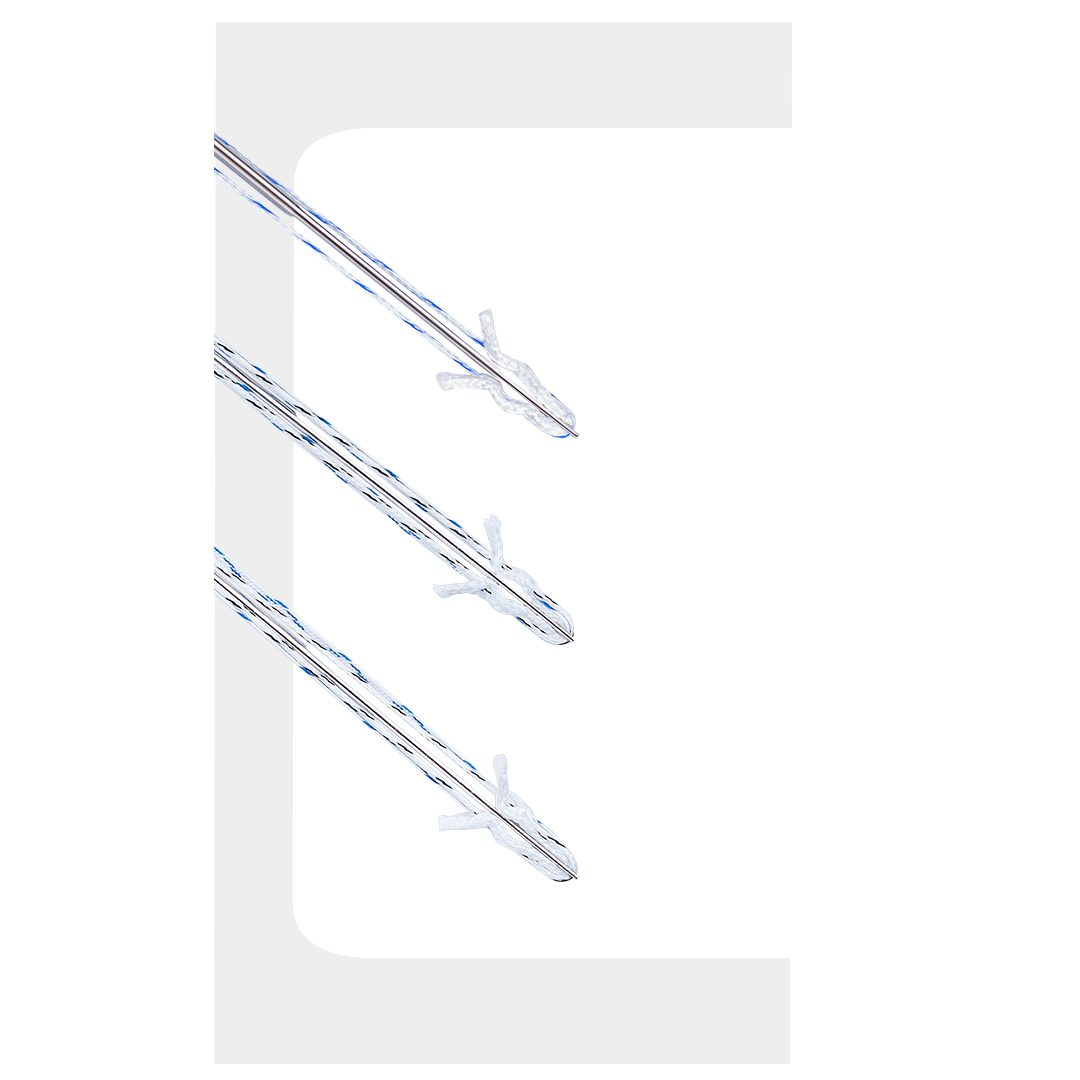
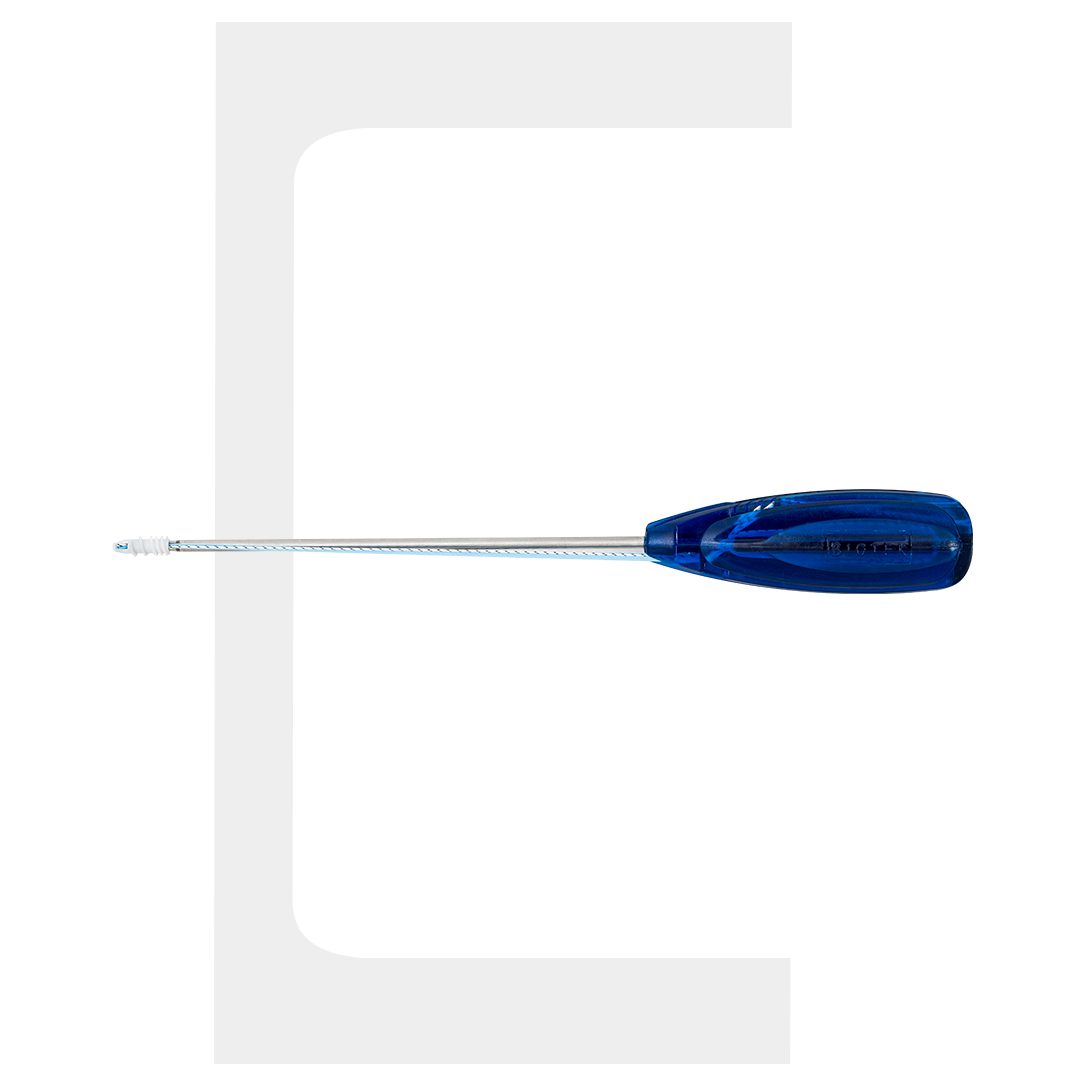
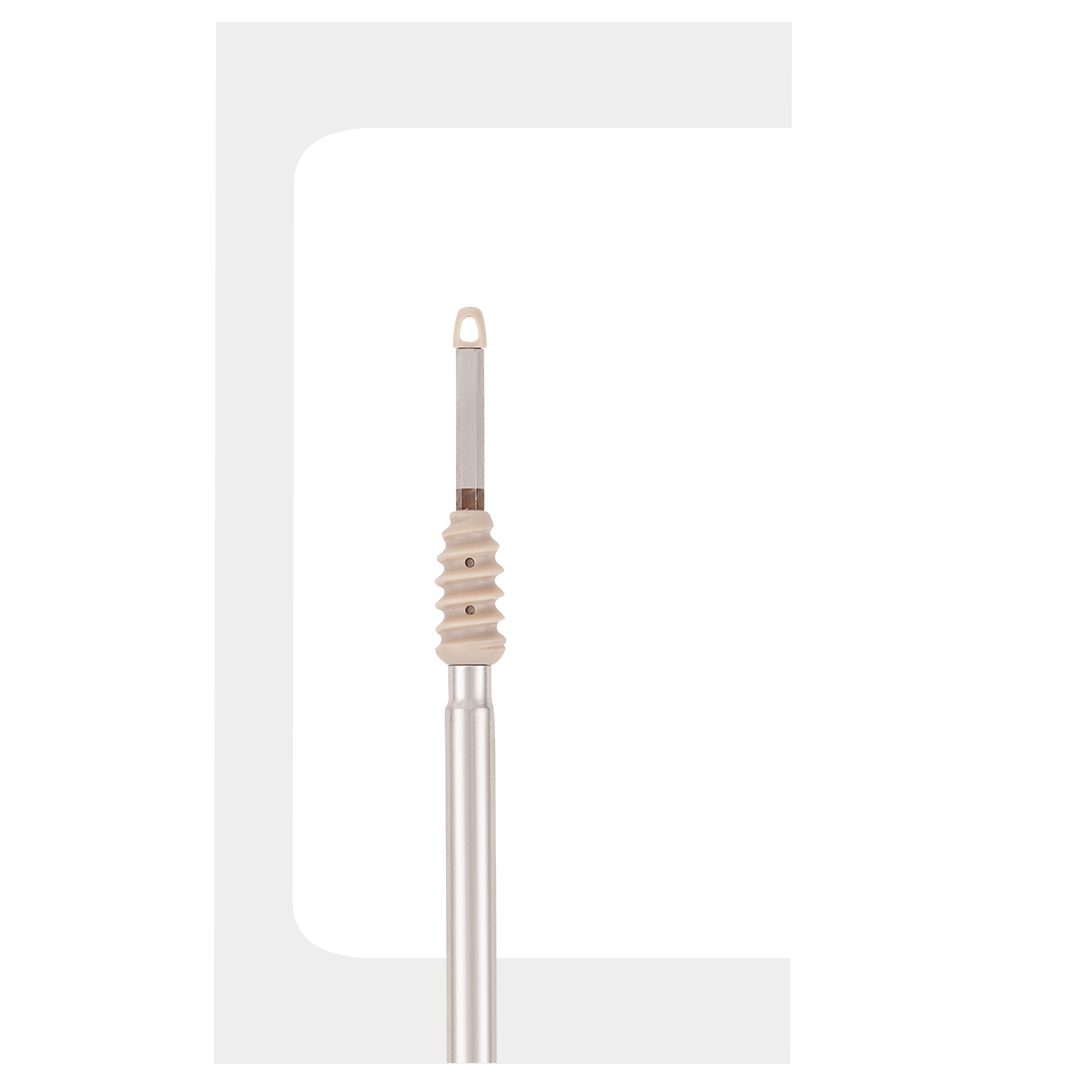
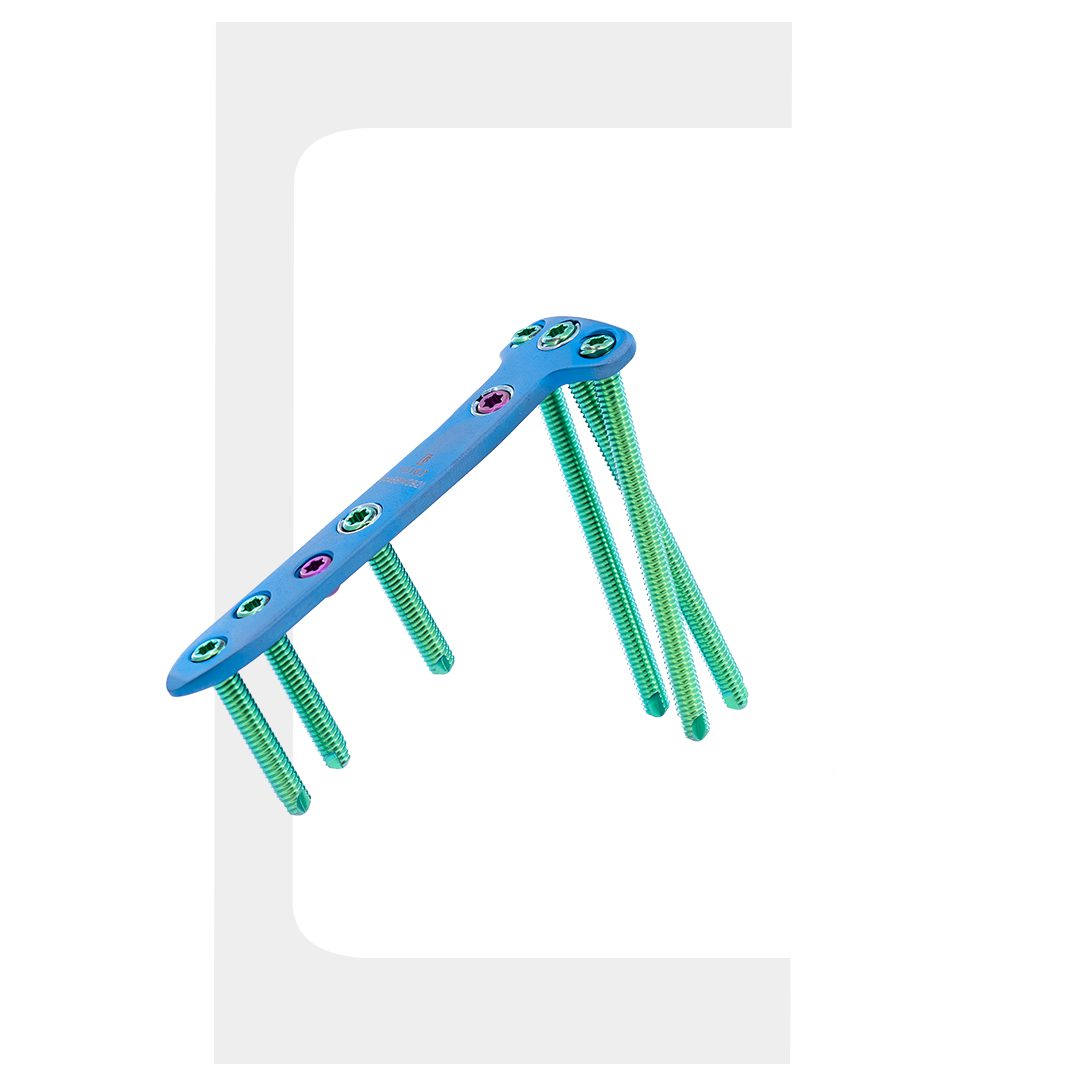
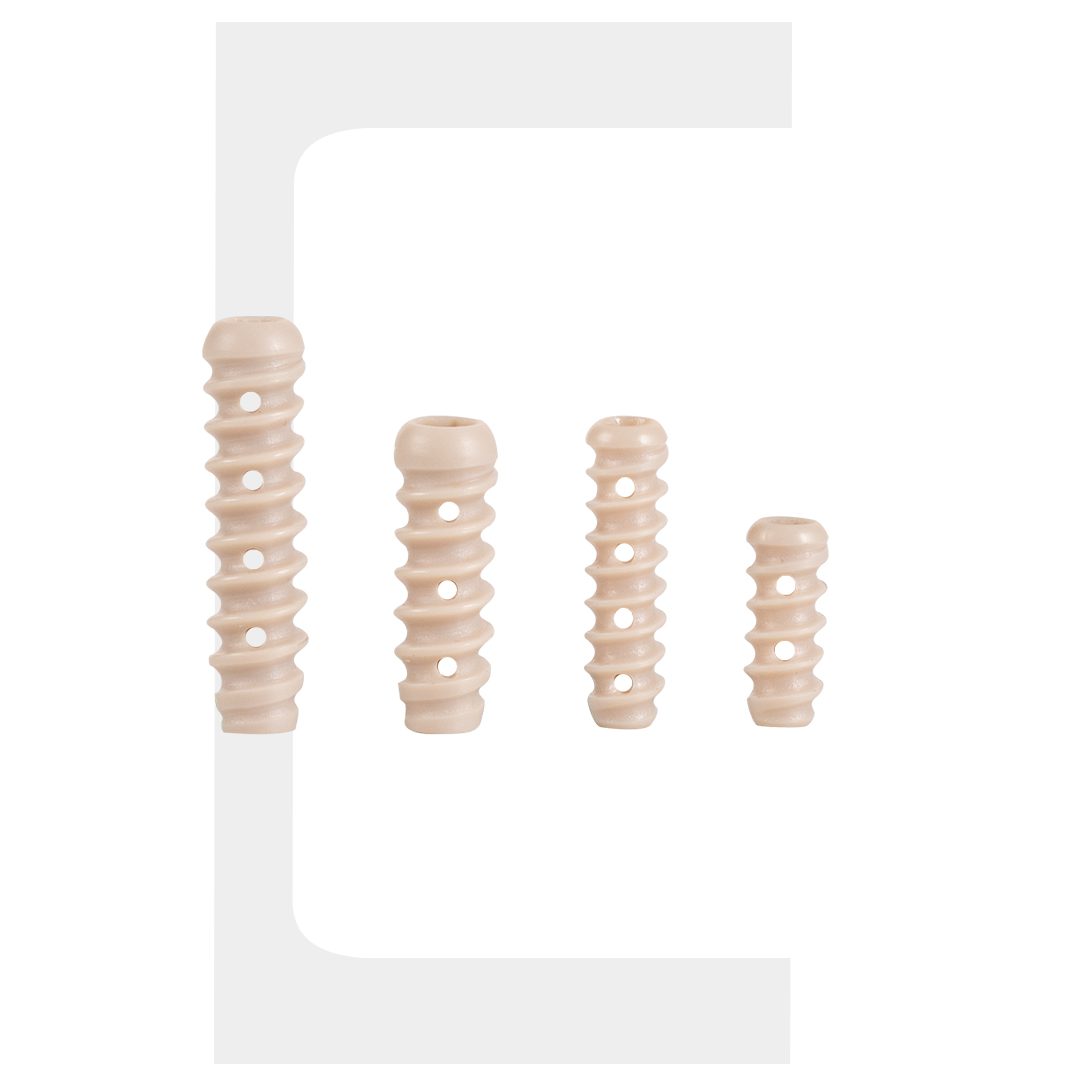
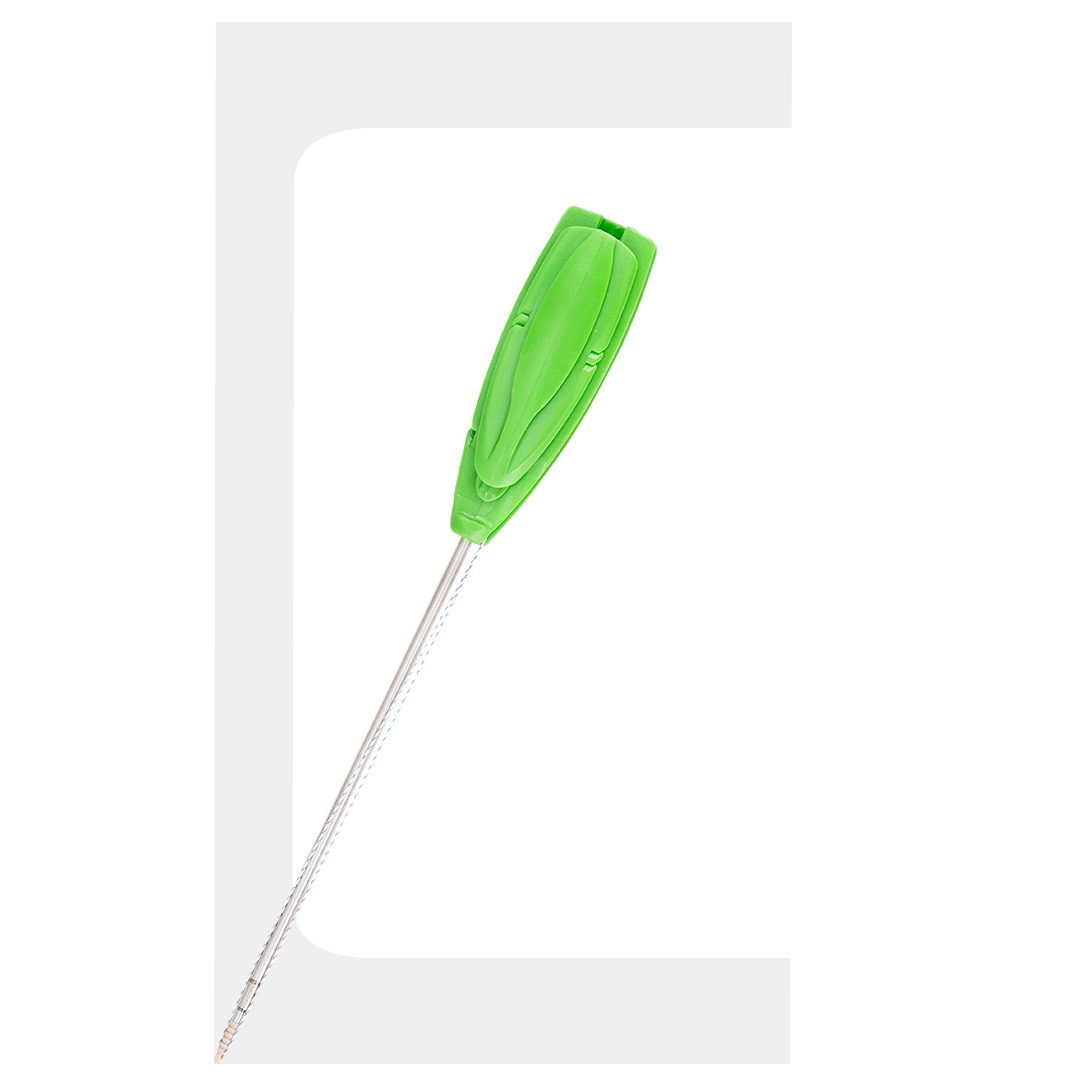
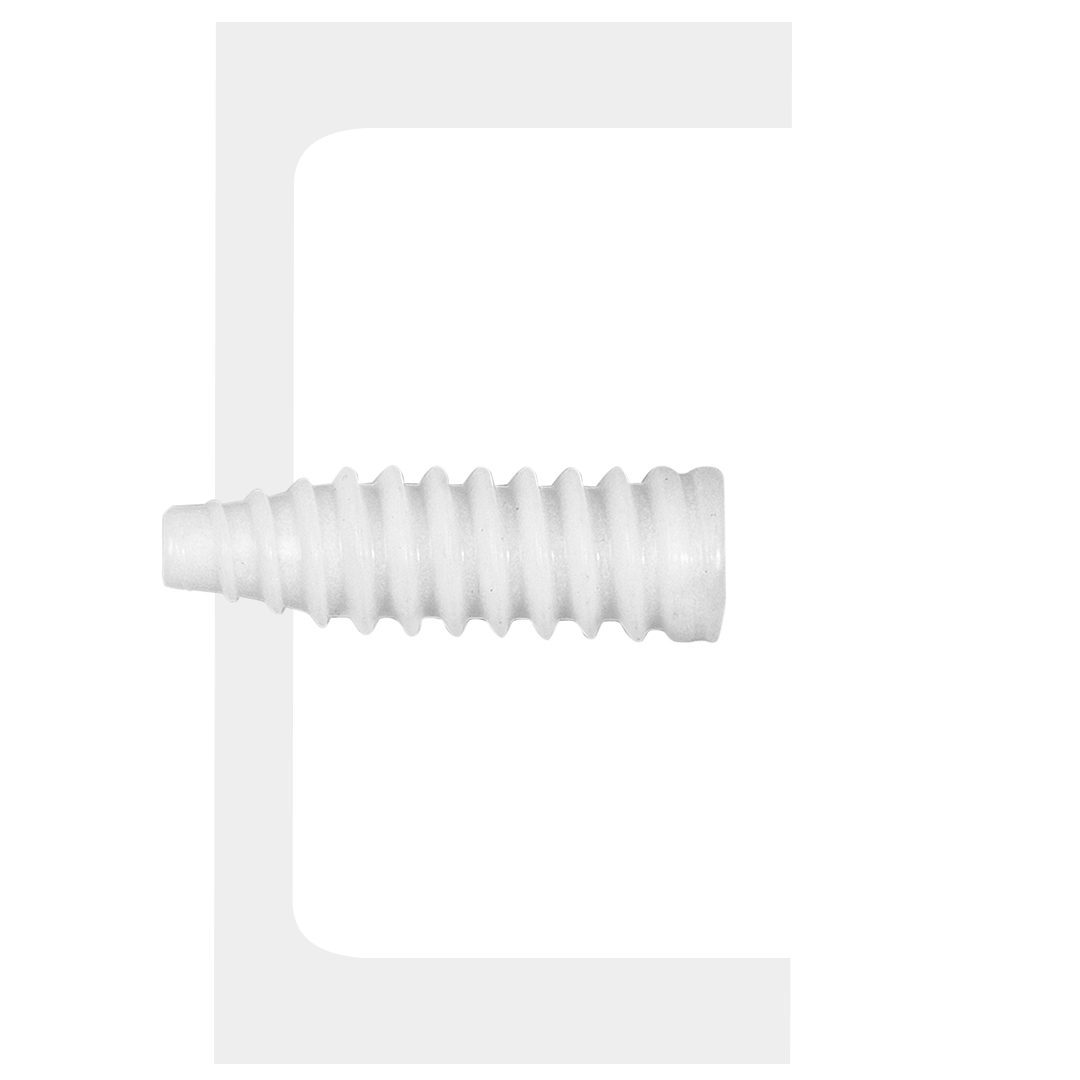
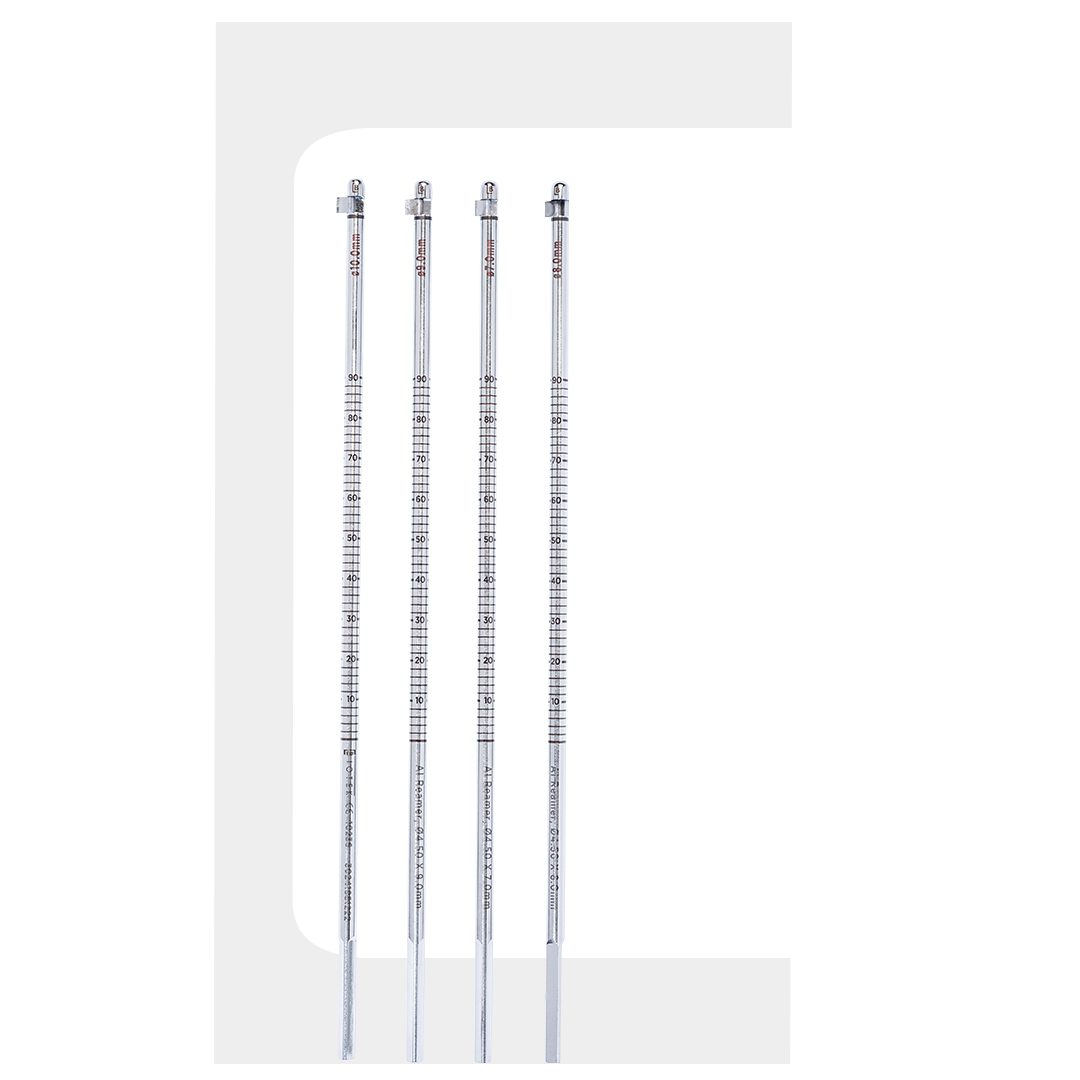
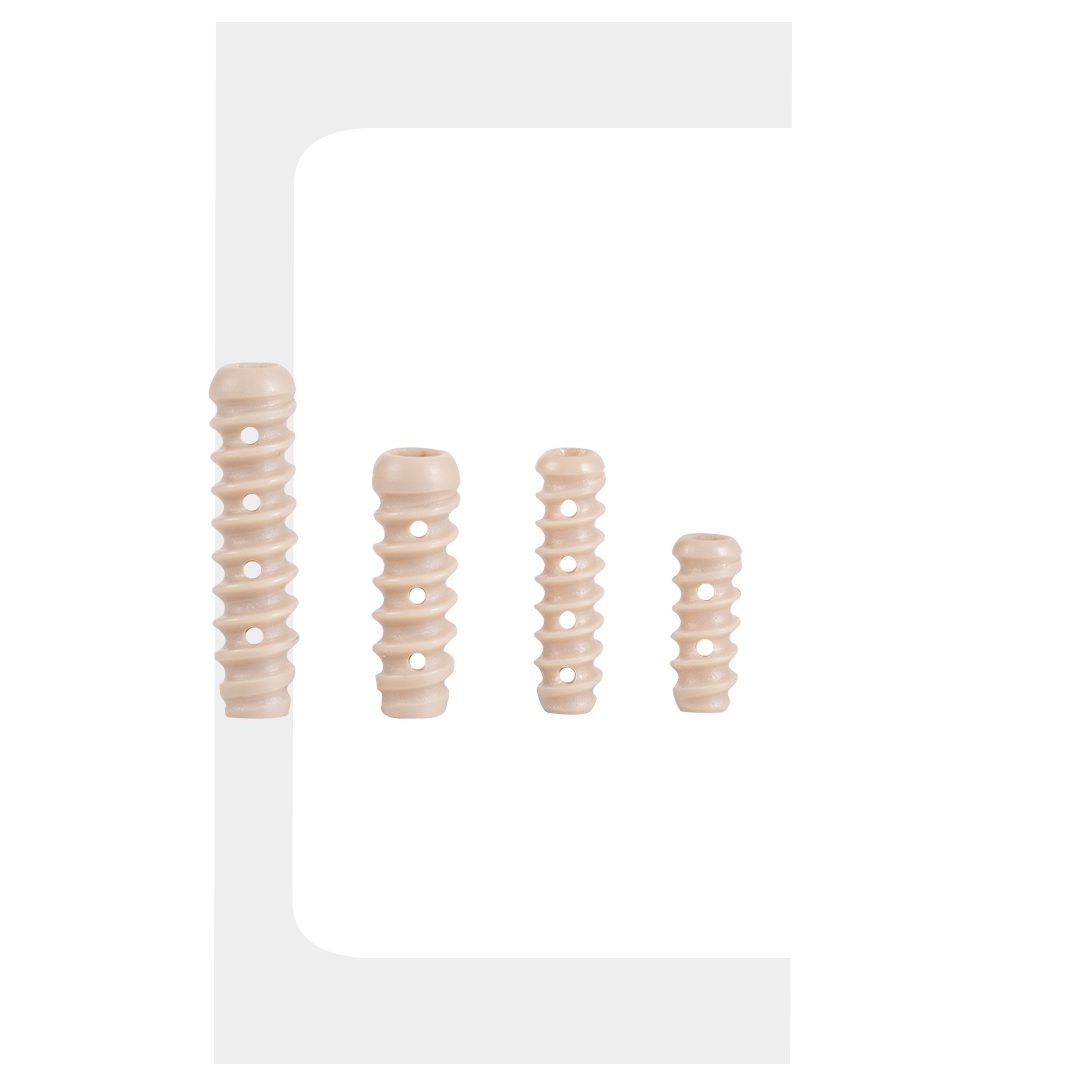
Global sports medicine implant exports from India now include biodegradable suture anchors, PEEK fixators, meniscal repair systems, shoulder instability implants, and full arthroscopic instrument sets – all CE-certified and ISO 13485 compliant. This is not a marginal segment of the market; it is a growing force reshaping how global hospitals think about sourcing premium-quality orthopedic devices.
Training as Part of the Value Proposition
The best global suppliers do not just ship devices – they invest in the clinical ecosystem around them. Orthopedic surgical education and training programs offered by leading Indian manufacturers include cadaveric workshops, simulation-based training, and in-service theatre support for surgical teams adopting new arthroscopic systems. This commitment to orthopedic surgical education and training programs is increasingly a differentiator when hospitals evaluate long-term supplier relationships, not just per-unit pricing.
Frequently Asked Questions
1. What does CE certification mean for arthroscopy devices?
2. Are top CE-certified arthroscopy devices available from Indian manufacturers?
3. Why should hospitals only use CE-certified arthroscopy devices?
4. How do orthopedic surgical education and training programs support CE-certified device adoption?
Conclusion
CE-certified arthroscopy devices are not a procurement formality — they are a clinical and regulatory foundation. For surgeons, they represent an assurance that the device in their hands has been independently tested and validated. For patients, they represent a commitment to safety that goes beyond manufacturer assurance. For hospitals, they represent protection from regulatory and liability exposure.
As global sports medicine implant exports from India continue to grow, and as more Indian manufacturers earn CE marking for their full portfolios of CE-certified orthopedic arthroscopy products, the availability of top CE-certified arthroscopy devices at competitive price points is expanding. Hospitals that combine rigorous certification verification with suppliers who invest in orthopedic surgical education and training programs will be best positioned to deliver consistent, high-quality arthroscopic care.