Essential Knee Arthroscopy Instruments Every Orthopedic Surgeon Should Know
Surgical outcomes in knee arthroscopy depend as much on instrumentation as on technique. Whether you are performing a routine diagnostic scope or working through a complete guide to meniscus repair, knowing your instruments – and choosing the right ones – is non-negotiable.
Core Visualization Tools
Every procedure starts with clear visualization. The 4 mm, 30-degree arthroscope paired with a high-definition camera and LED or xenon light source forms the foundation of any arthroscopic setup. Without sharp, shadow-free images, accurate tissue assessment and safe implant placement are both compromised.
Portal and Fluid Management
Cannulas and switching sticks maintain working portals and allow smooth instrument exchanges mid-procedure. An arthroscopic fluid pump regulates inflow pressure (typically 40-60 mmHg) to keep the joint distended and the field clear. Pressure that is too high causes fluid extravasation; too low collapses the joint. Consistent fluid control is especially important in longer cases involving meniscal repair systems.
Tissue Preparation Instruments
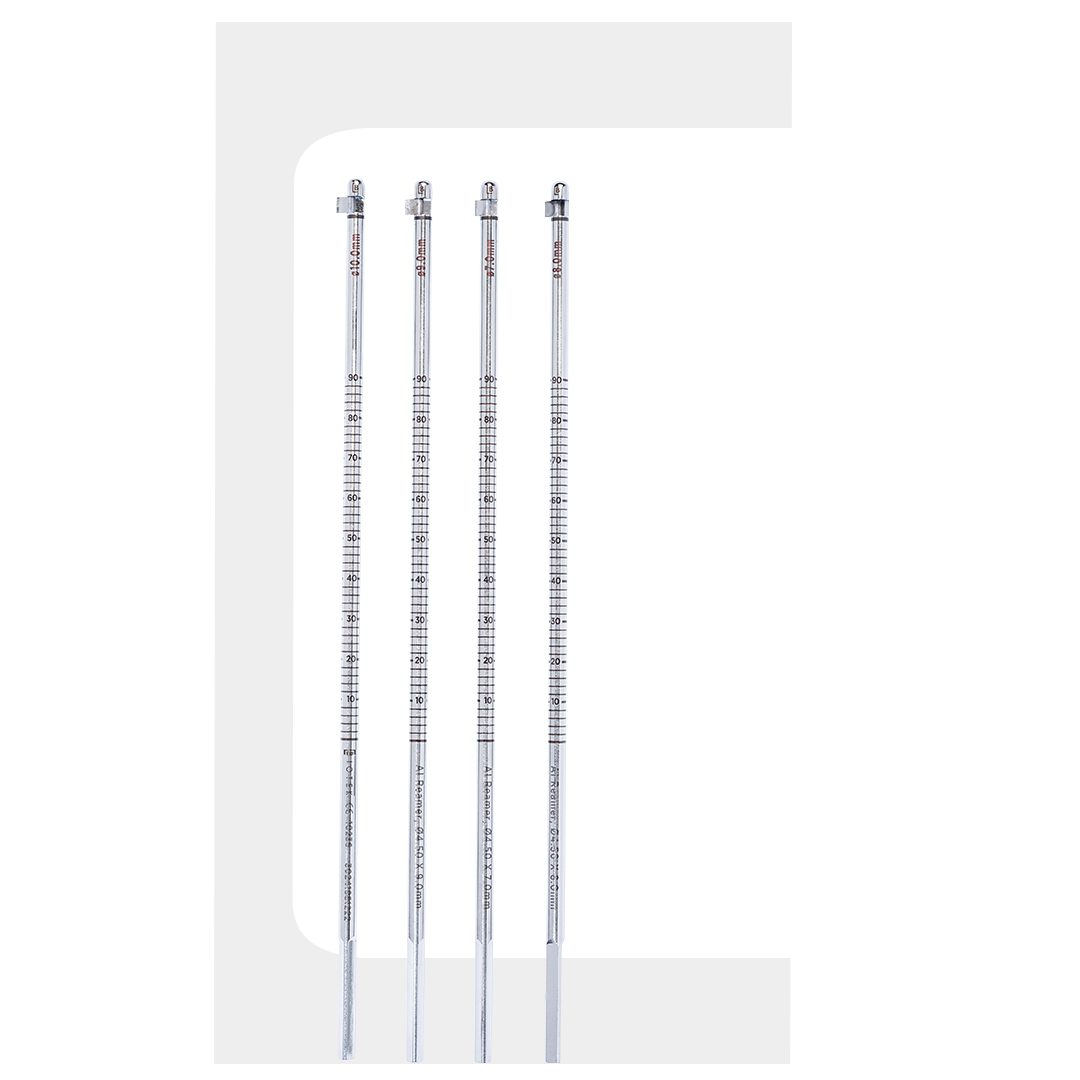
Before any fixation can be placed, the repair site must be prepared. The three key instruments used for knee arthroscopy at this stage are:
- Motorized Shaver: Trims unstable tear edges and clears visualization obstructions without damaging healthy meniscal tissue.
- Rasp: Abrades tear surfaces to stimulate a healing response and improve tissue apposition.
- Trephine: Creates vascular access channels in avascular white-white zone tissue, improving the biological environment for repair.
Meniscal Repair Instruments
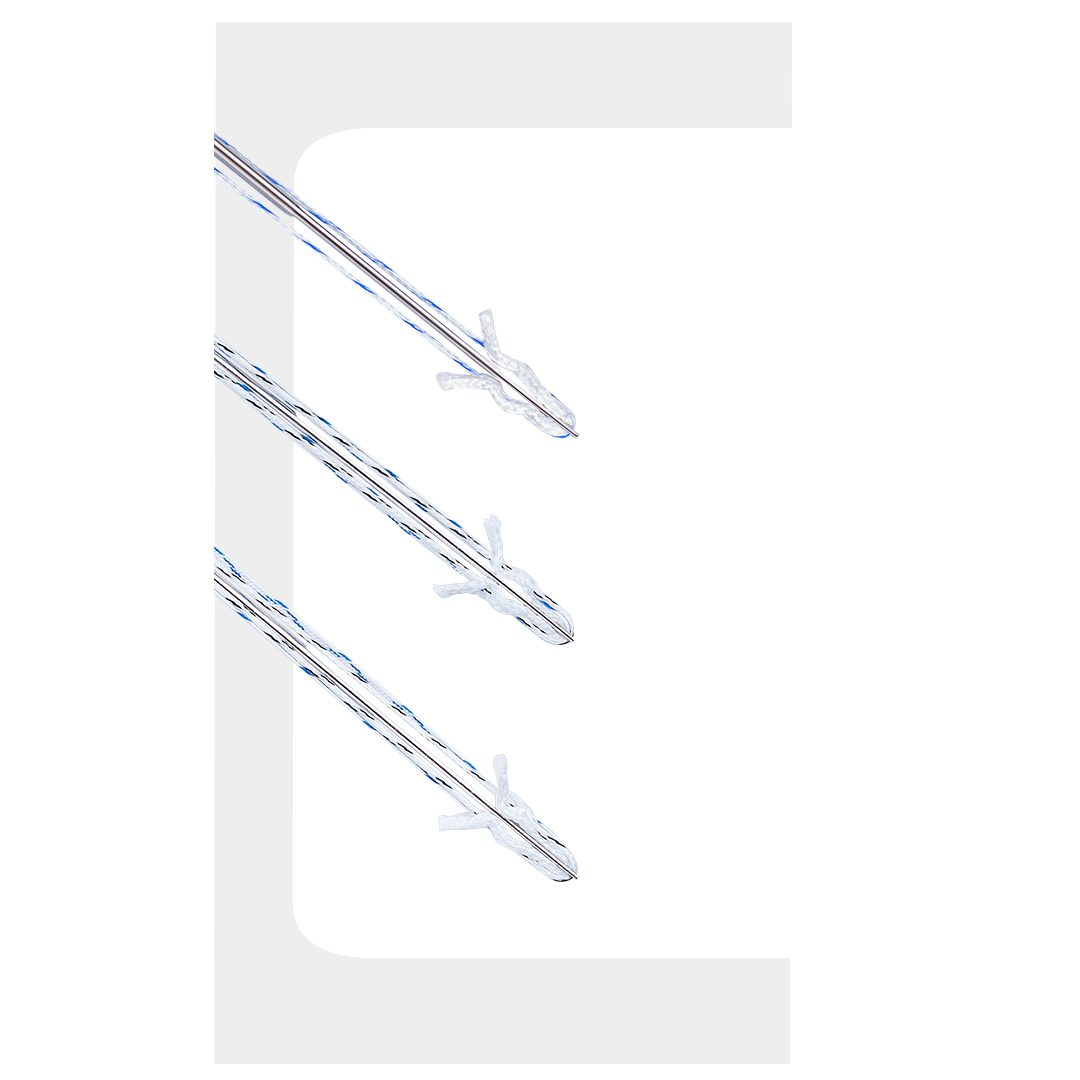
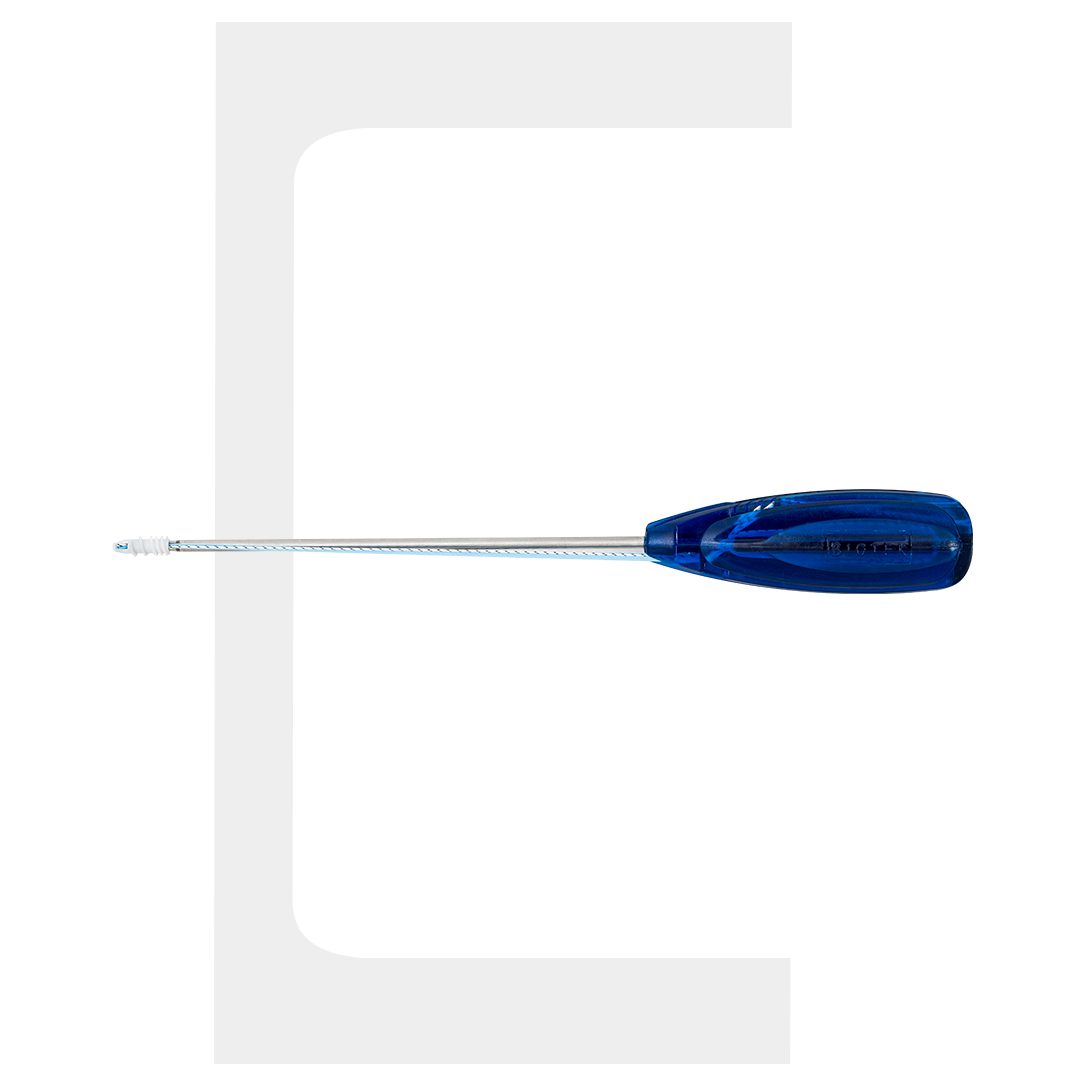
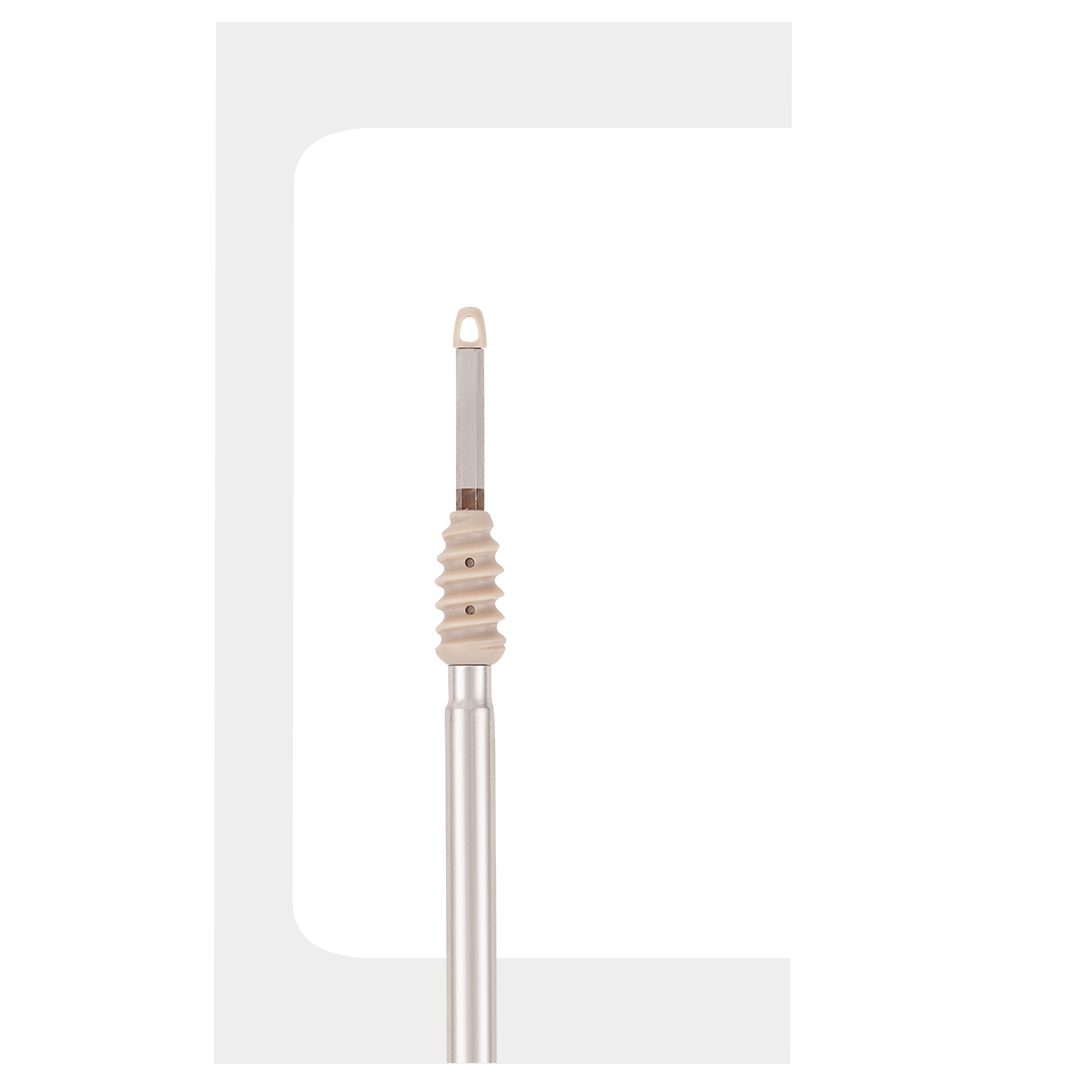
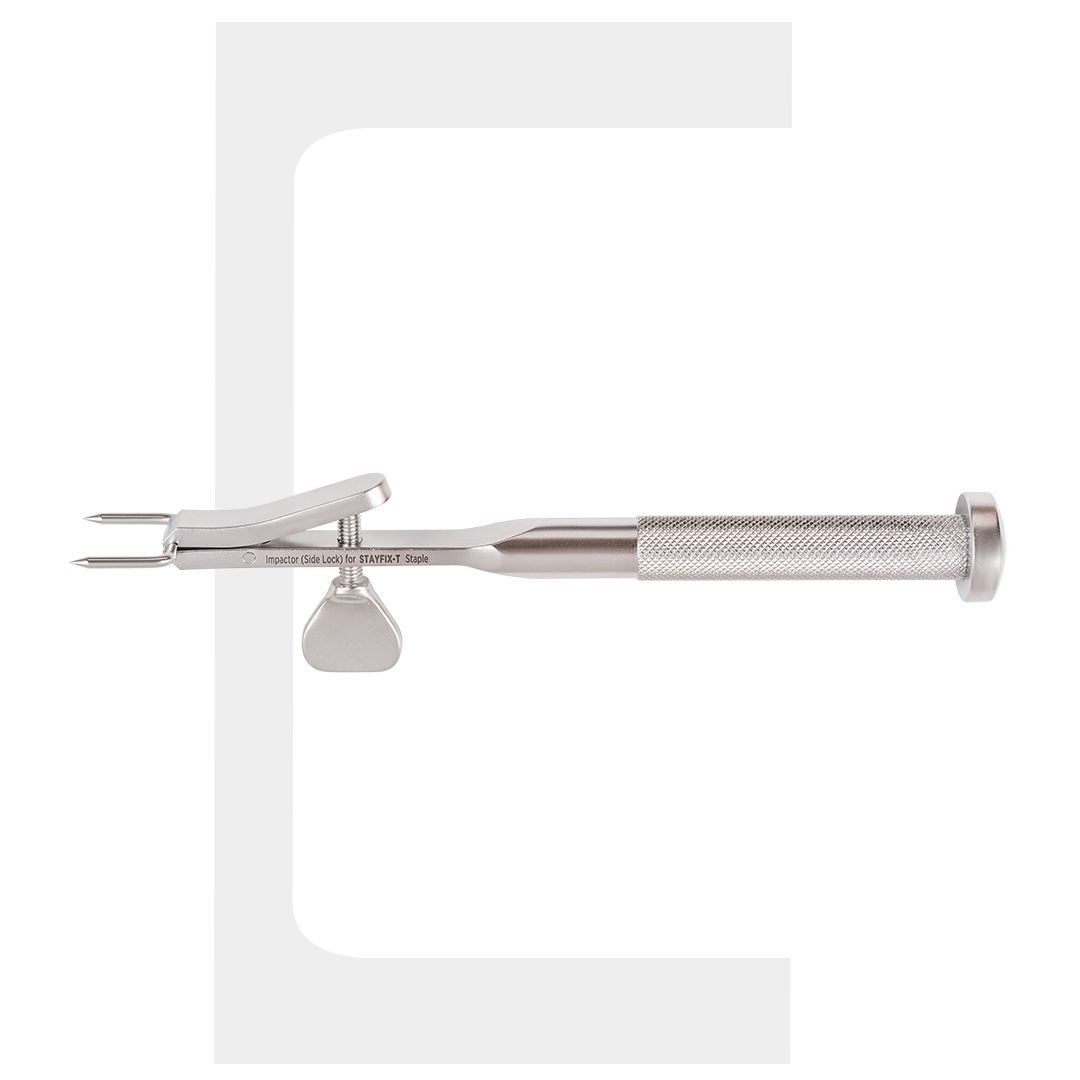
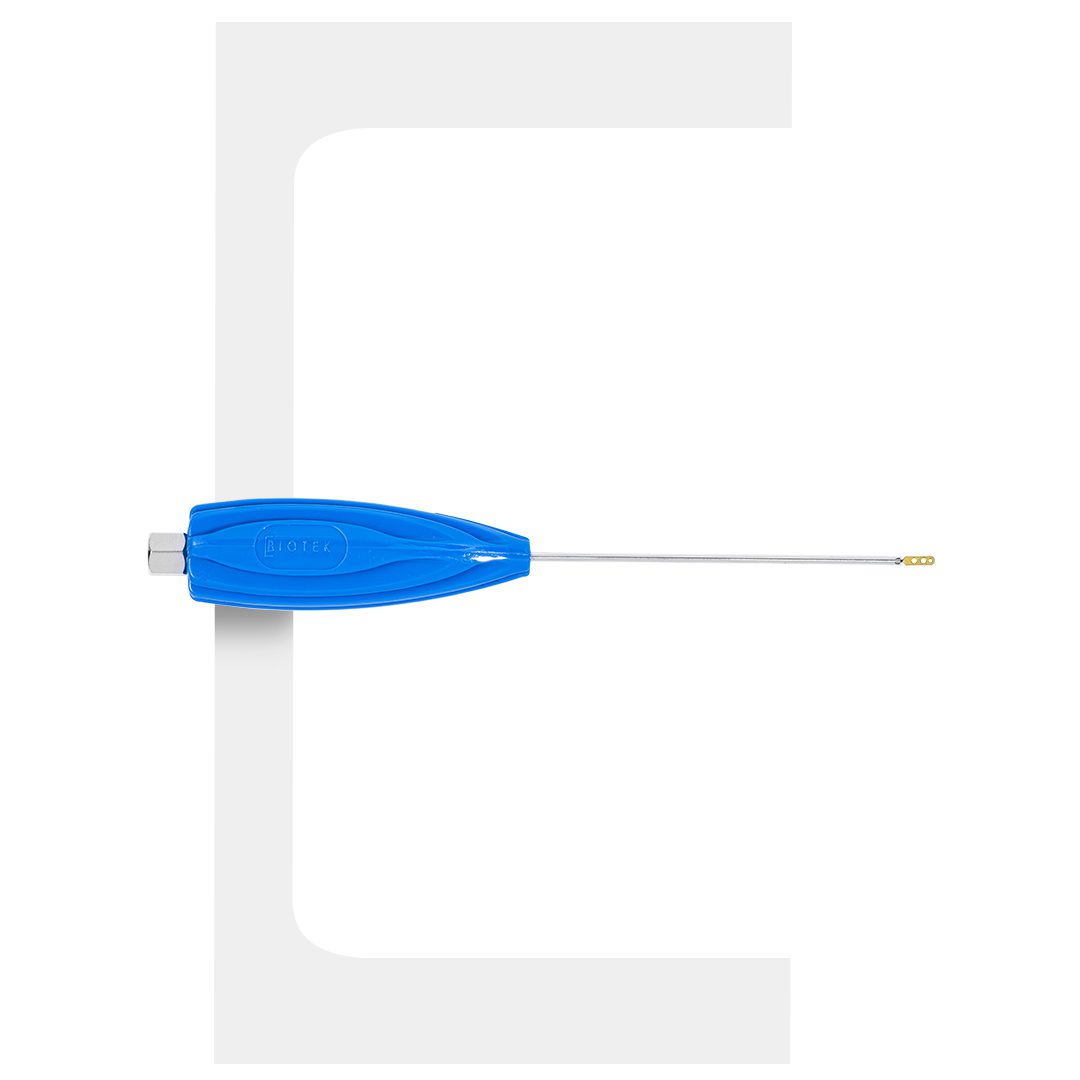
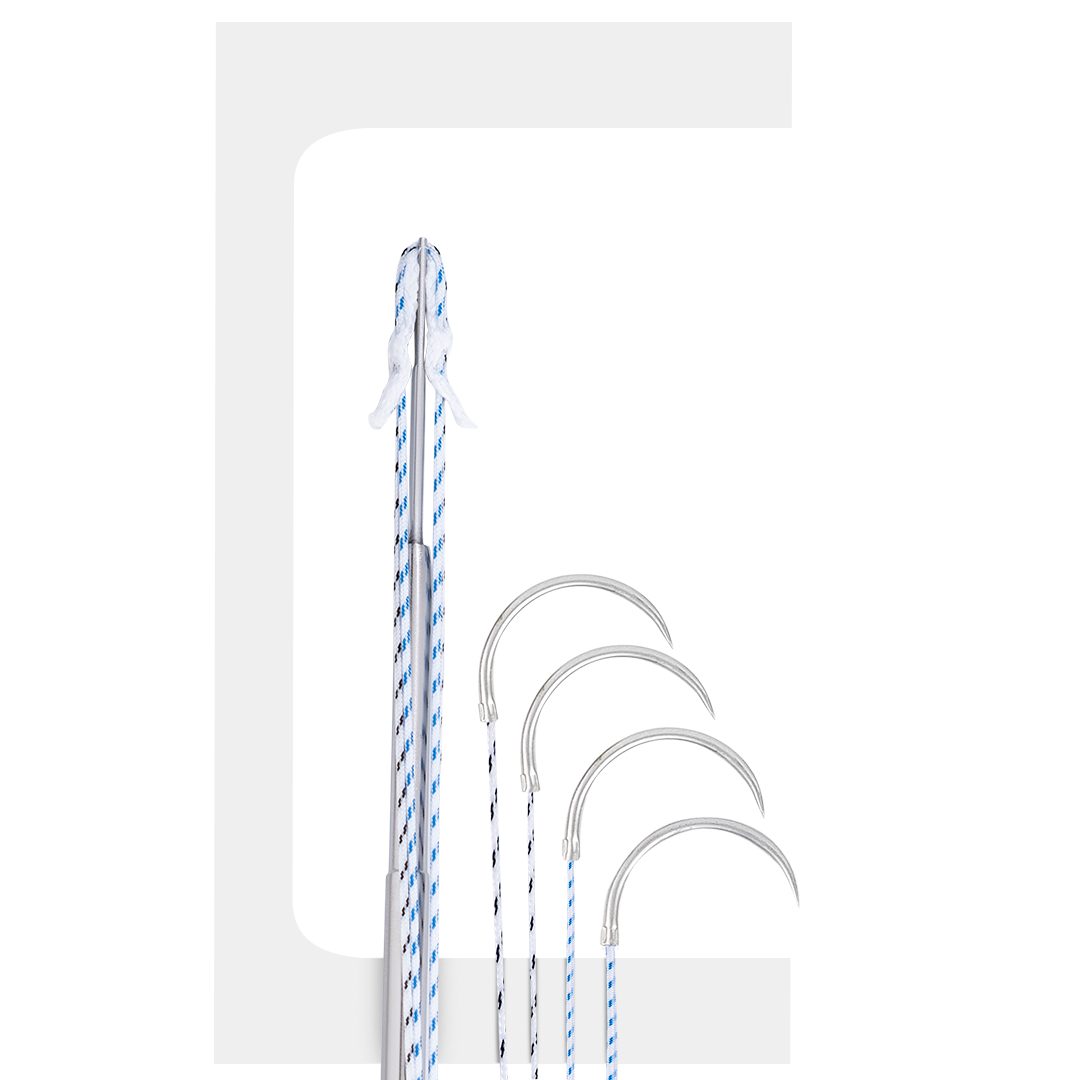
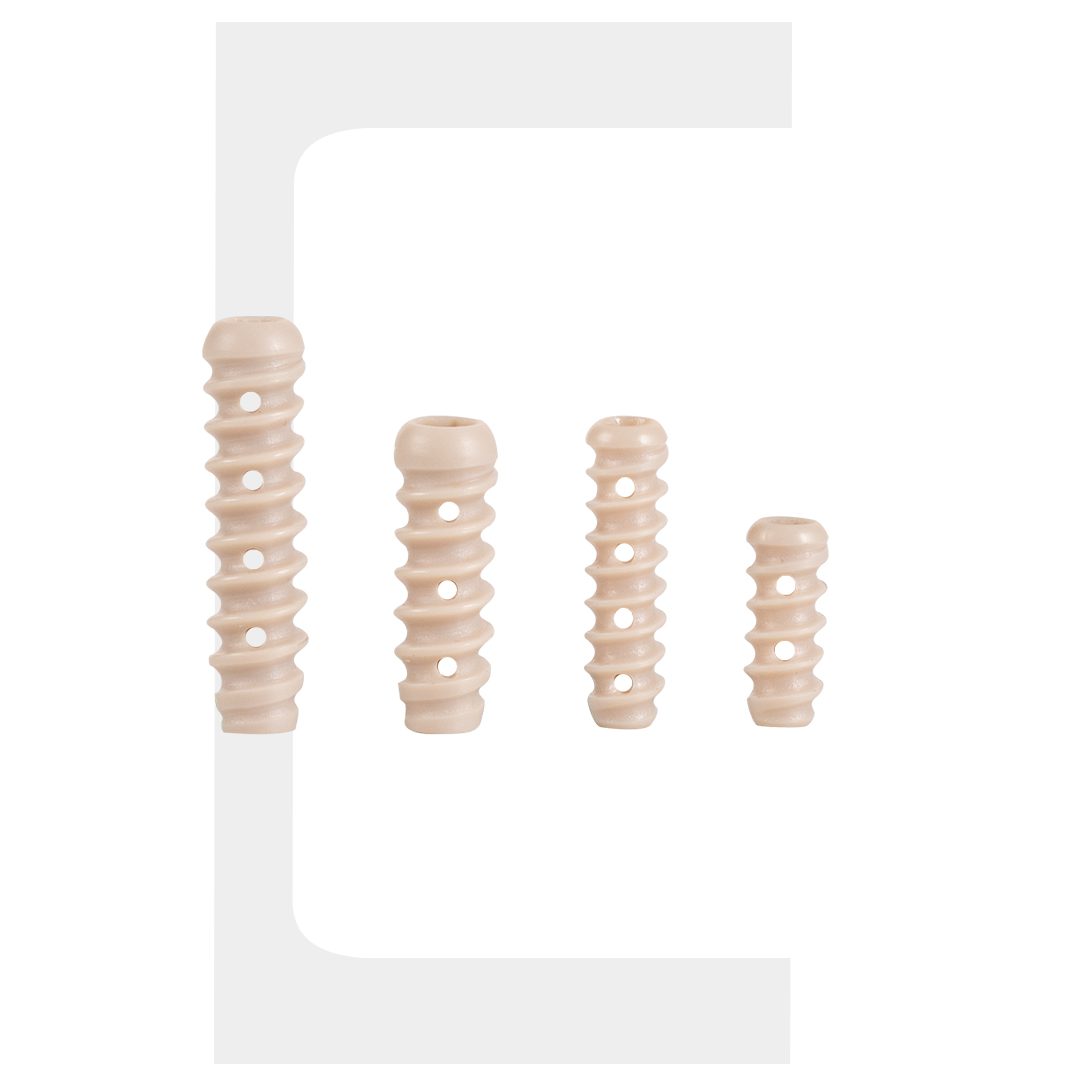
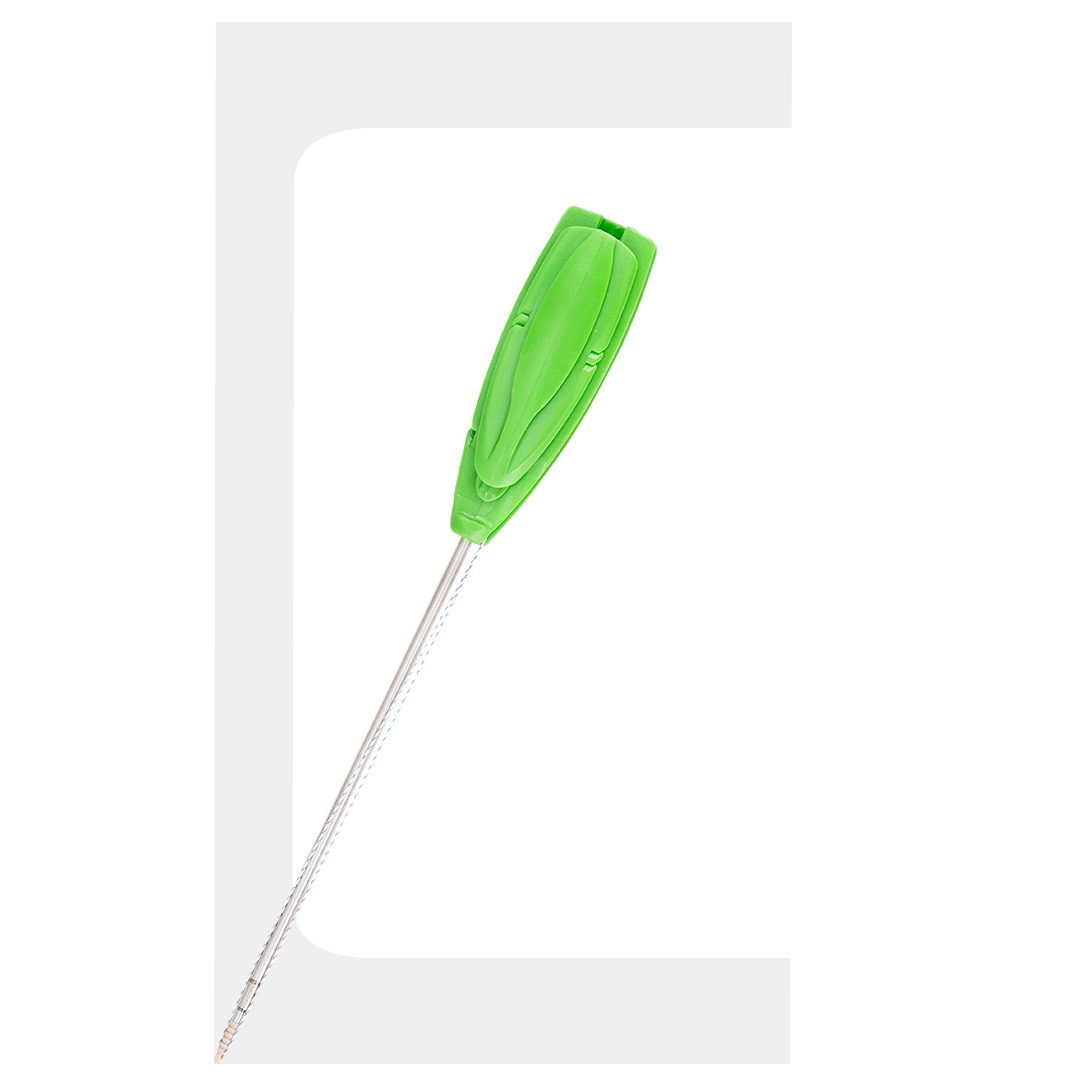
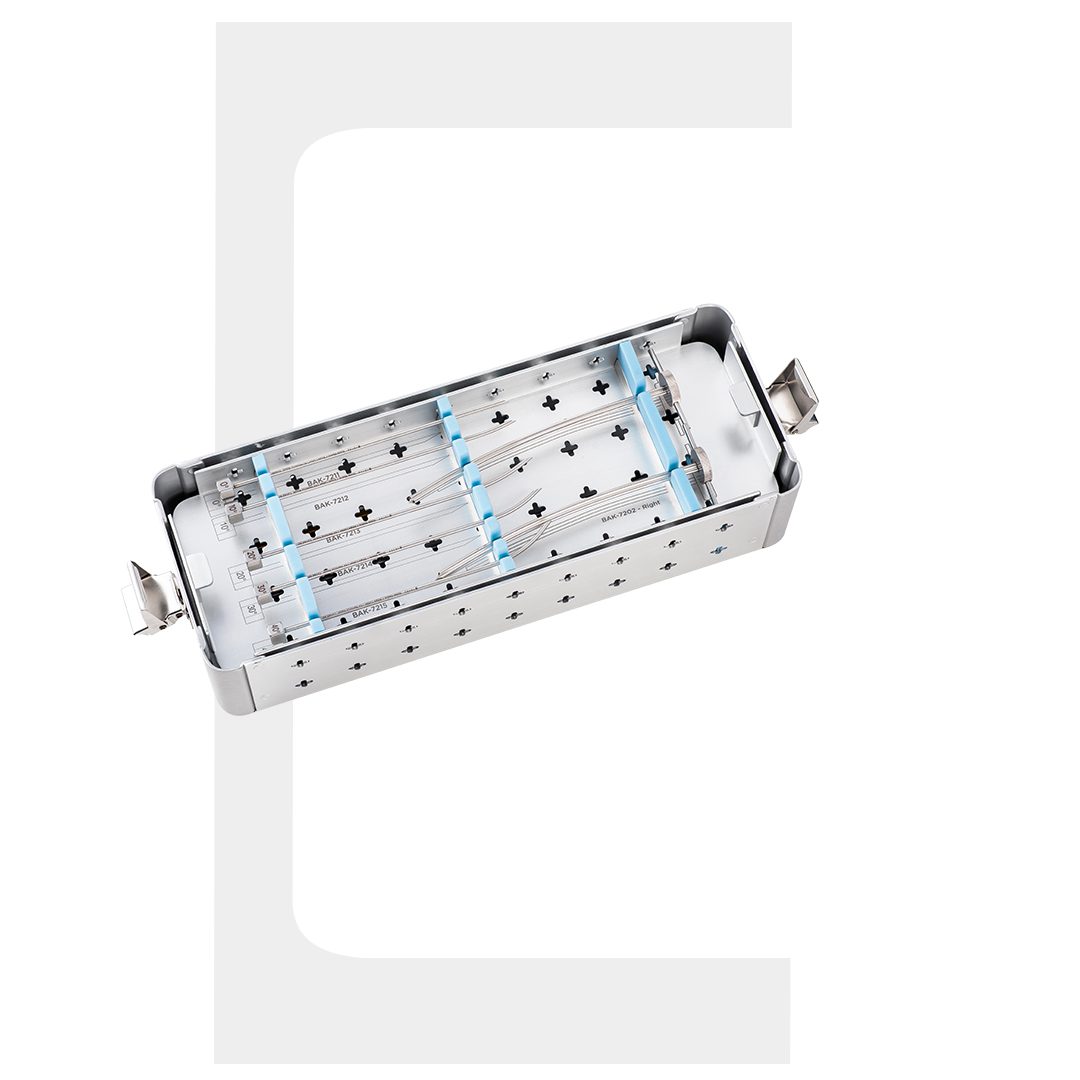
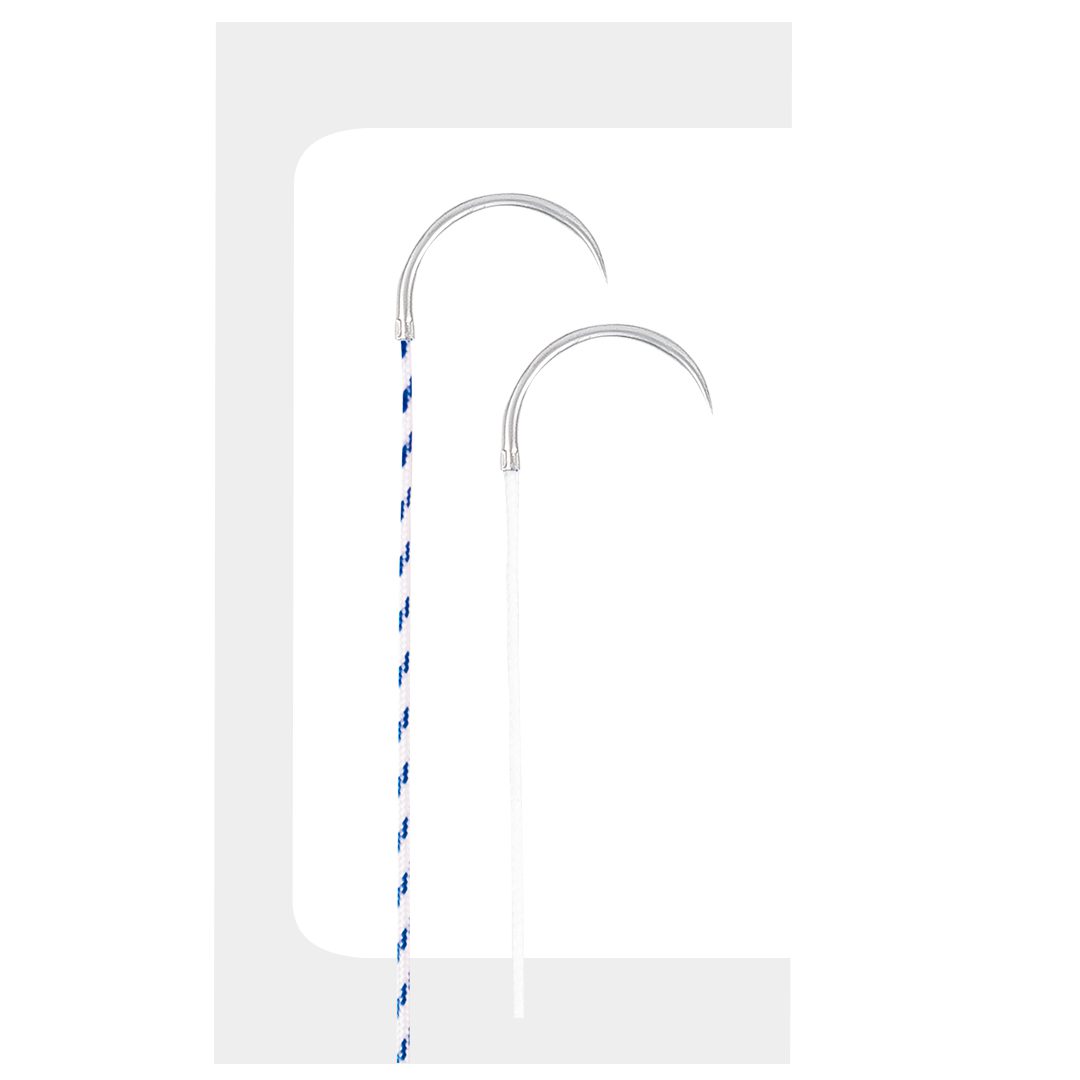
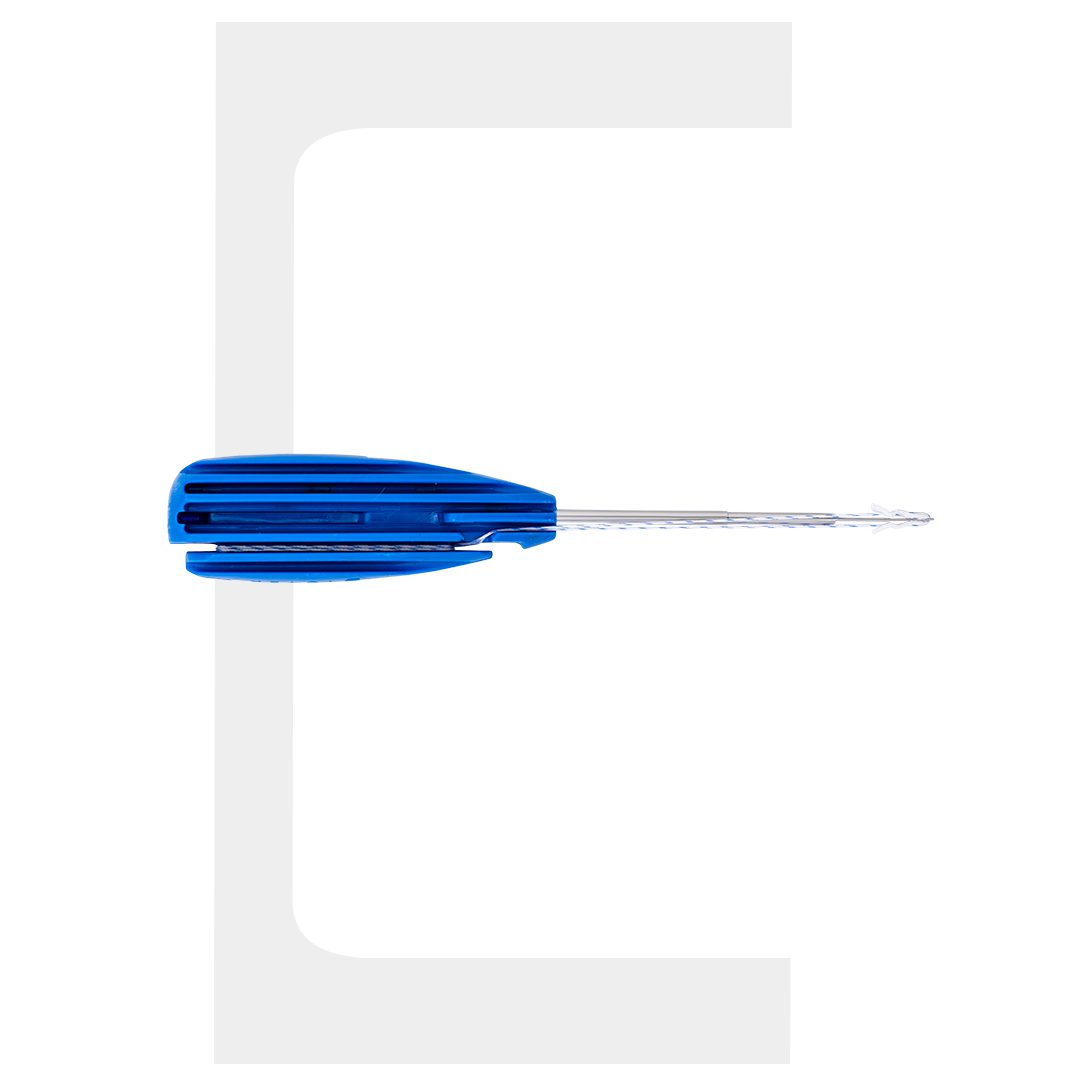
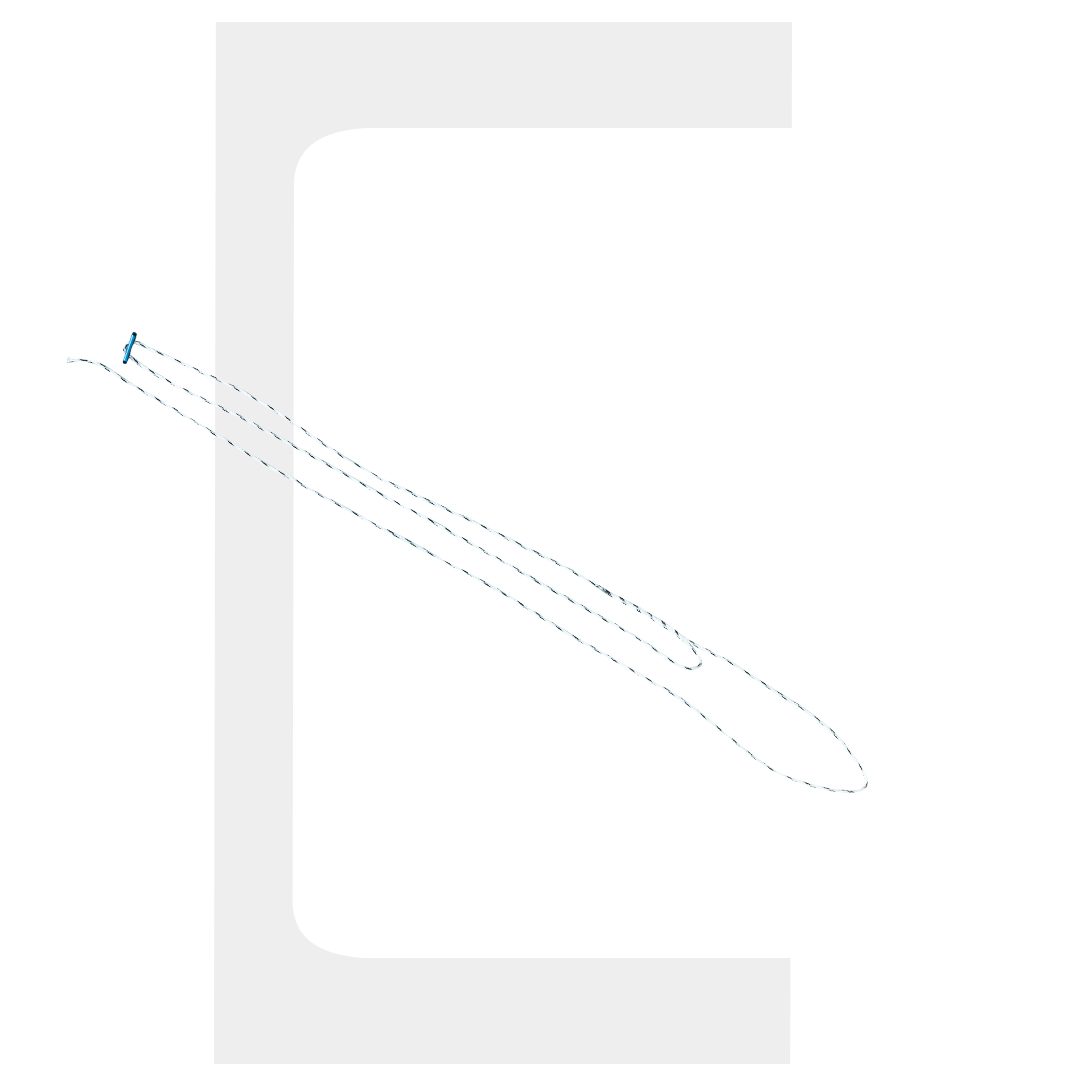
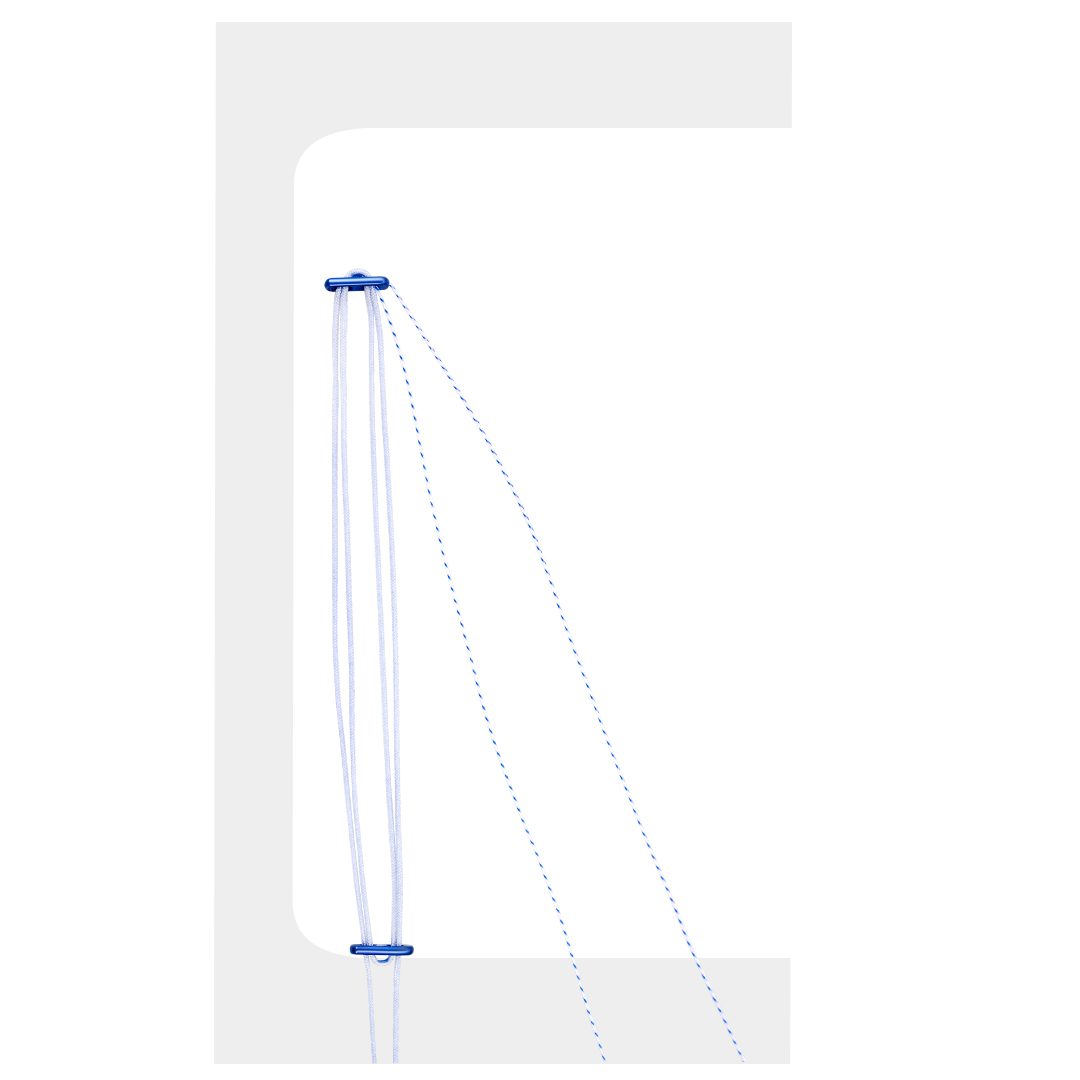
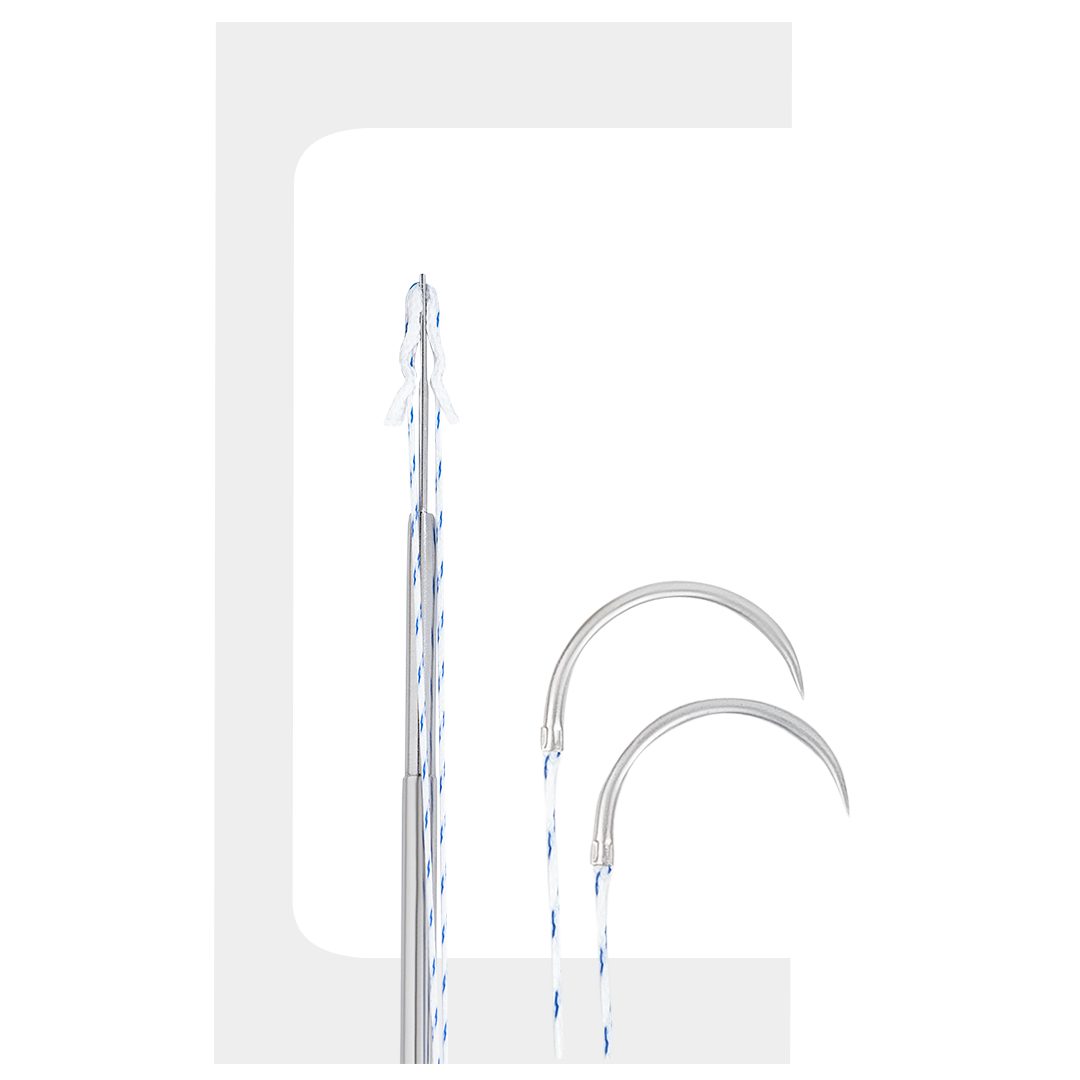
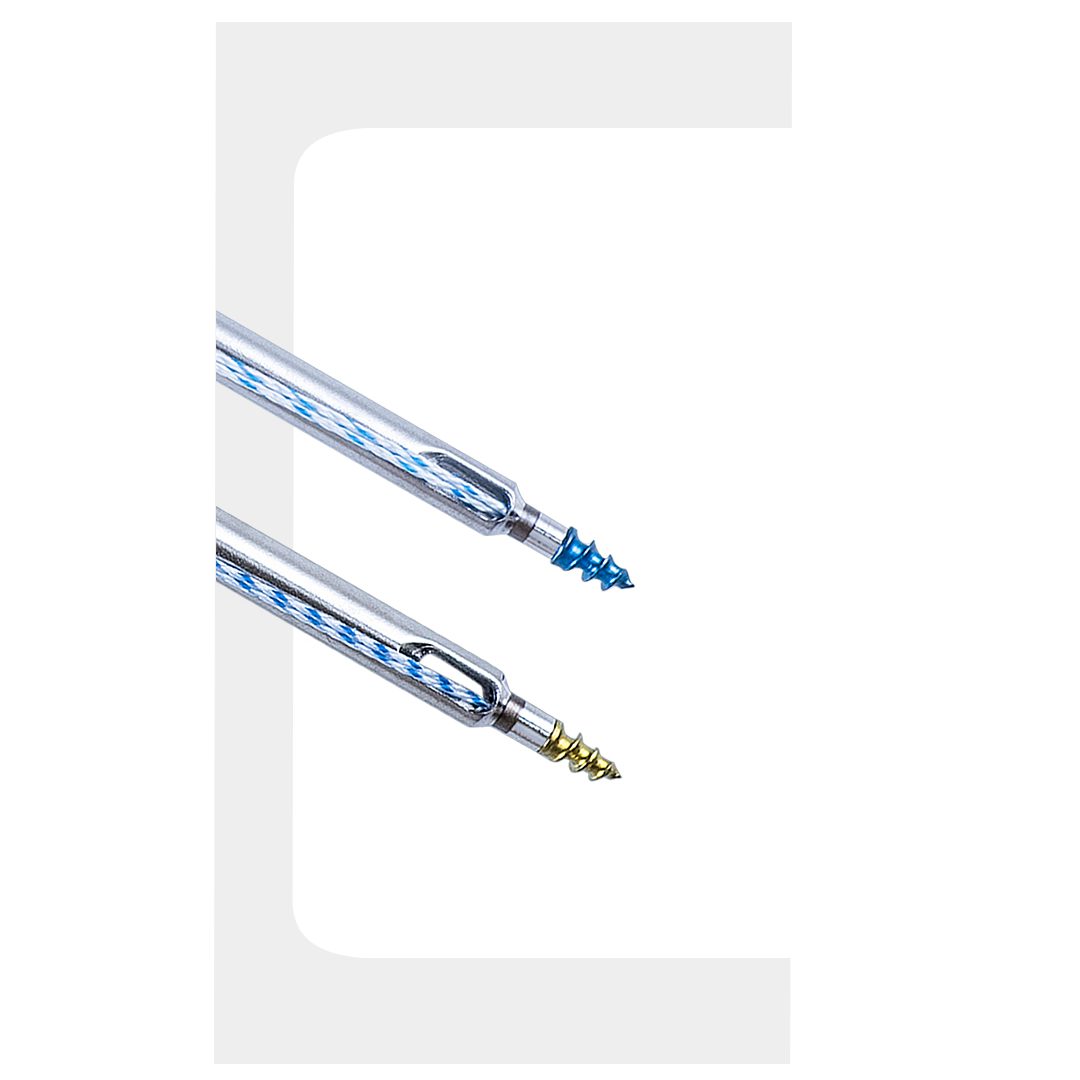
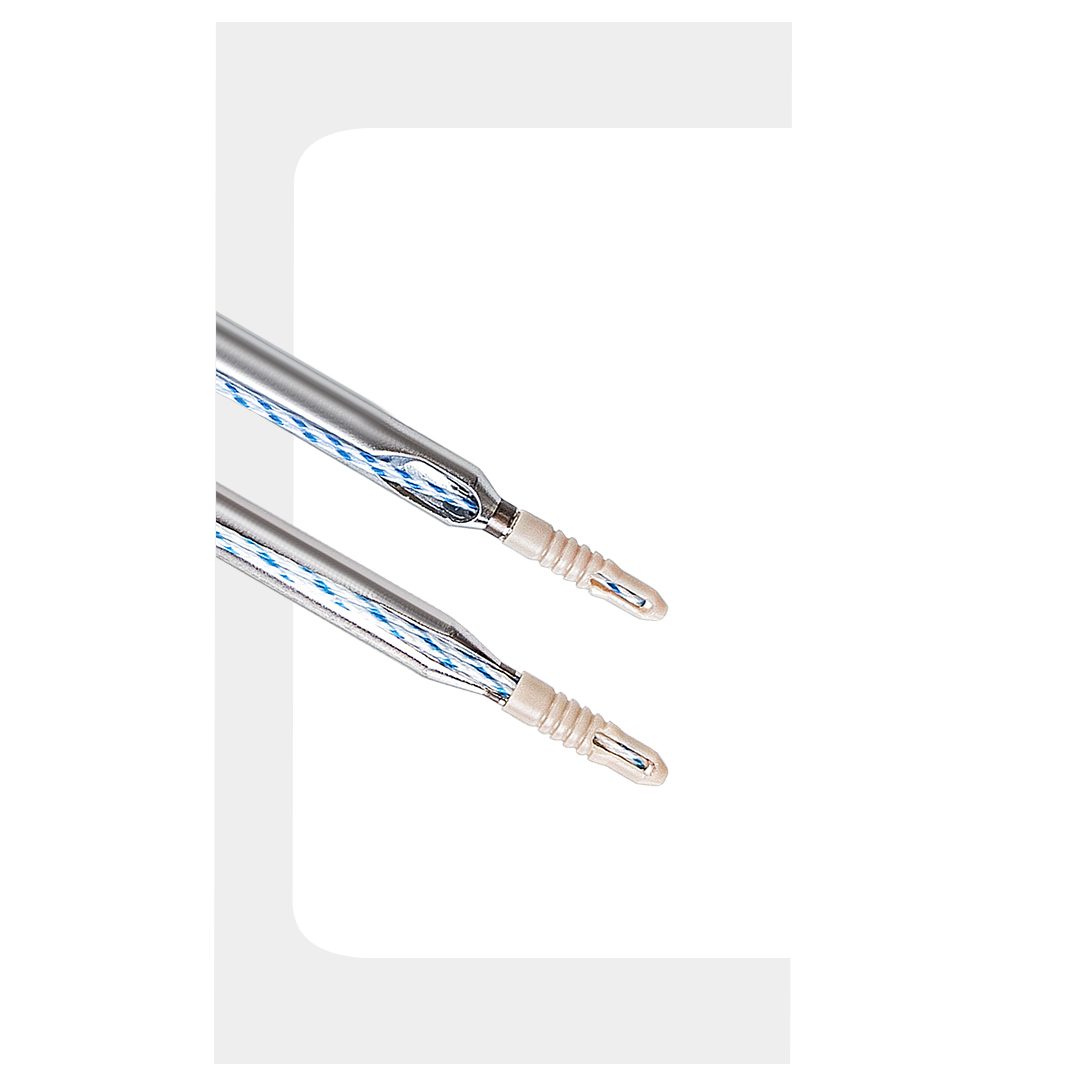
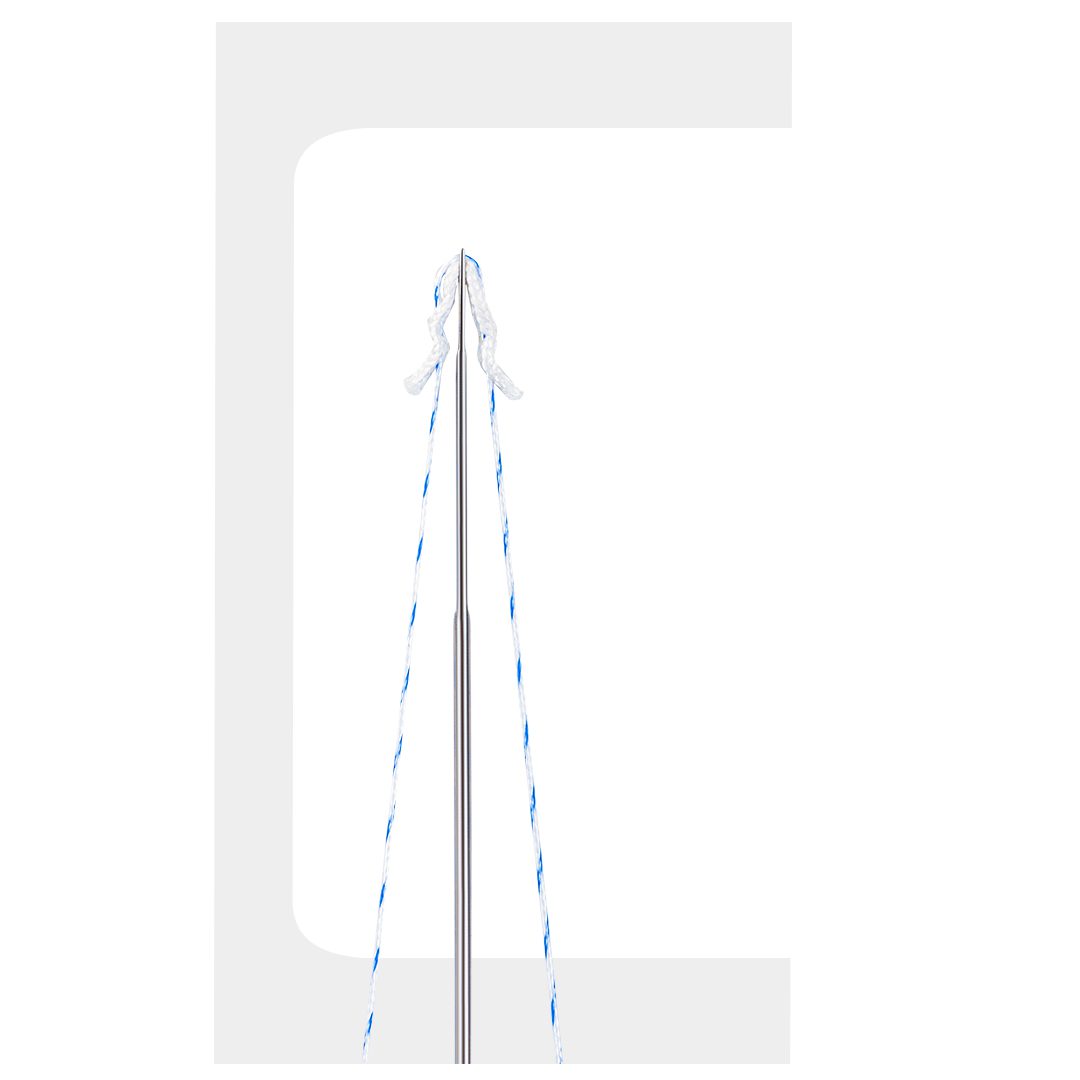
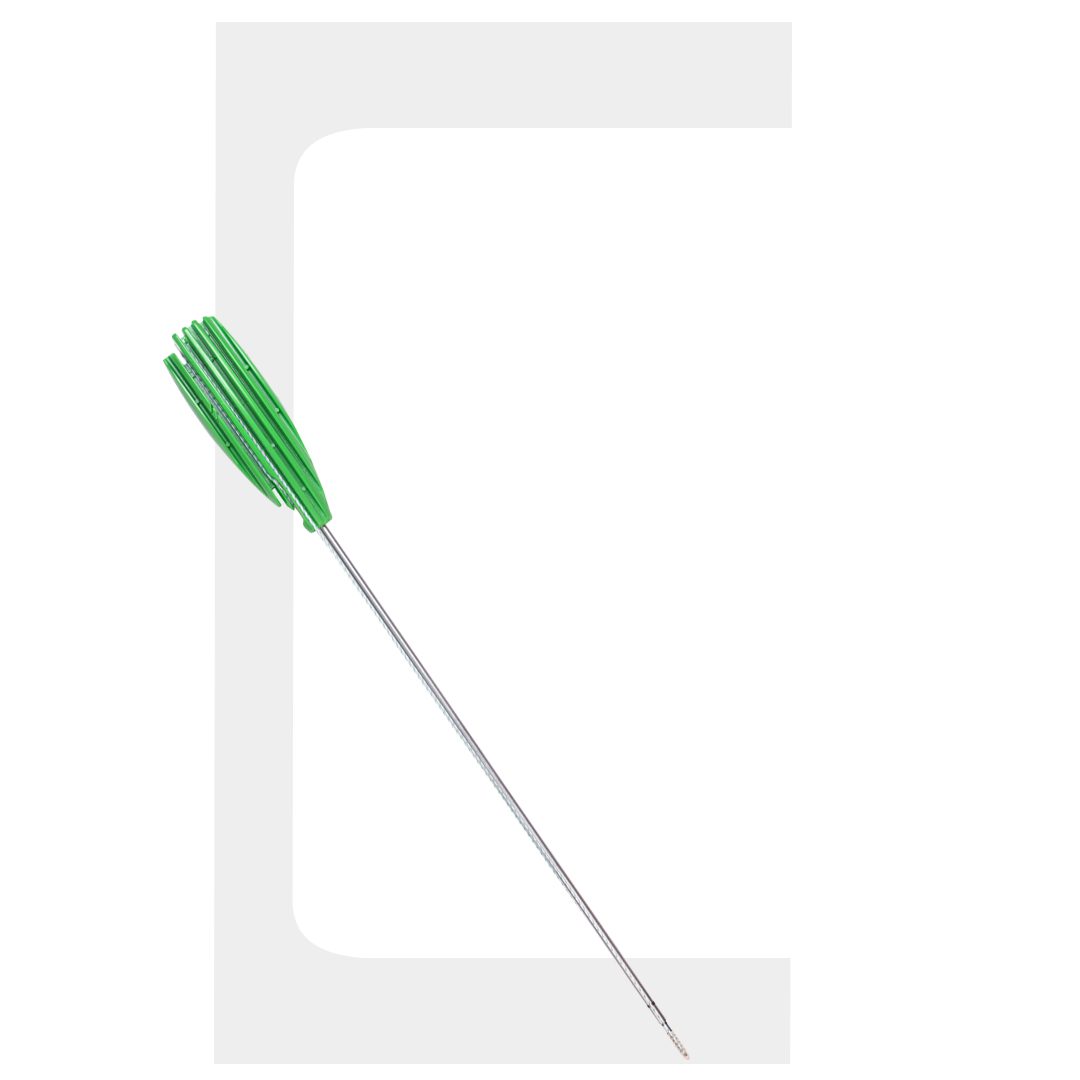
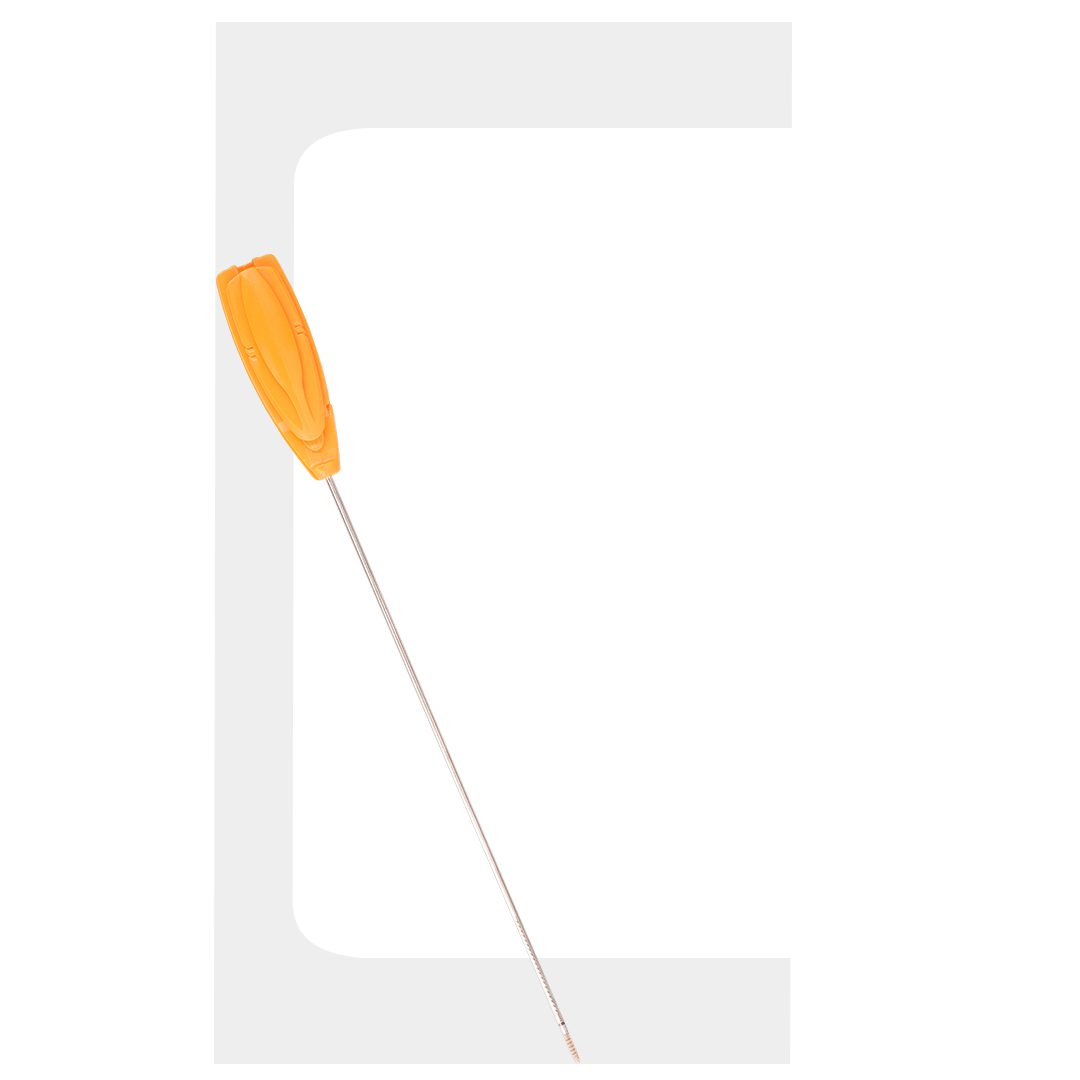
Zone-specific guides protect the posteromedial and posterolateral neurovascular structures during inside-out repair. Suture passers and retrievers shuttle suture material through meniscal tissue under direct visualization. For all-inside techniques – the most common approach with modern meniscus repair implants – proprietary implant inserters deploy the fixator at the precise depth needed for secure capsular and meniscal purchase.
When evaluating meniscal repair systems, always assess whether the inserter design offers accurate depth control, tactile deployment feedback, and compatibility with standard portal sizes.
Instruments at a Glance
| Instrument | Function | Procedure |
|---|---|---|
| Arthroscope (30-degree) | Joint visualization | All procedures |
| Cannulas / Switching Sticks | Portal maintenance | All procedures |
| Motorized Shaver | Debridement and tear prep | Meniscal repair |
| Rasp / Trephine | Stimulate healing response | Meniscal repair |
| Zone-Specific Guide | Neurovascular protection | Inside-out repair |
| Suture Passer / Retriever | Suture shuttling | All repair techniques |
| Implant Inserter | Anchor deployment | All-inside repair |
Matching Instruments to Implants
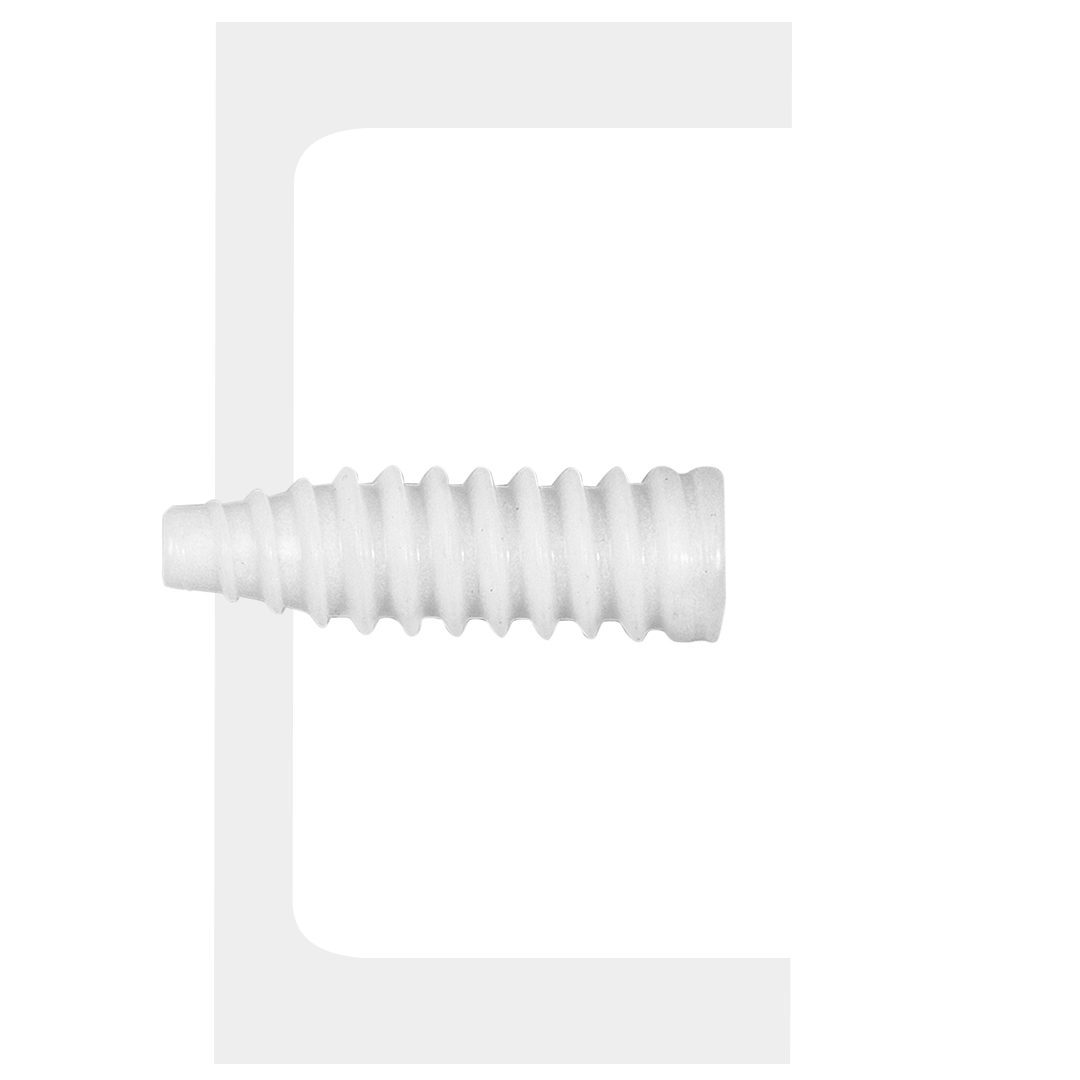
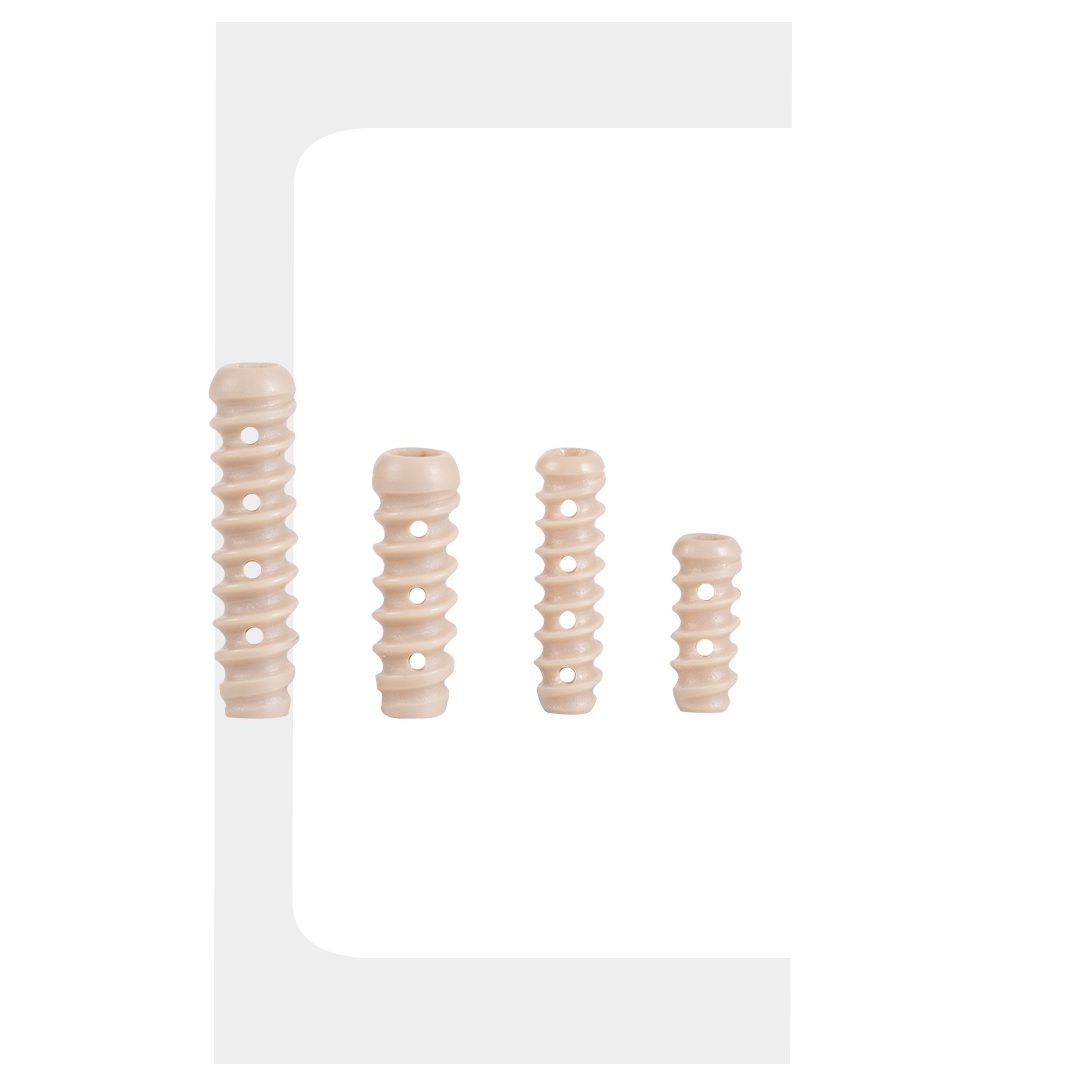
Reliable implants for meniscus surgery perform best when paired with instrumentation they were designed to work with. Before committing to a meniscal repair system, verify that the inserter fits your standard portals, the deployment is intuitive under fluid, and the fixator and inserter are purpose-built as a matched set. Instrument-implant mismatches add operative time and introduce fixation variability – neither of which benefits the patient.
Frequently Asked Questions
1. What are the essential instruments used for knee arthroscopy?
The core set includes an arthroscope, camera, light source, cannulas, switching sticks, fluid pump, motorized shaver, rasp, trephine, suture passer, retriever, zone-specific guides, and implant inserters for all-inside repair.
2. Why are rasps and trephines used in meniscal repair?
Rasps abrade the tear edges to stimulate a cellular healing response. Trephines create channels through avascular tissue to invite vascular ingrowth. Both improve healing potential before fixation is placed.
3. What should I look for in meniscus repair implants?
Look for implants supported by independent clinical outcome data, biocompatible materials, self-tensioning mechanisms, and instrumentation that integrates cleanly with your existing arthroscopic setup. For full implant selection criteria, consult a complete guide to meniscus repair.
4. Do meniscal repair systems require special inserters?
All-inside meniscal repair systems require proprietary inserters matched to their fixator design. Inside-out techniques rely on zone-specific guides and long needles rather than dedicated implant inserters.
Conclusion
A well-chosen instrument set is the foundation of technically sound knee arthroscopy. From visualization to tissue preparation to fixation, every tool in the chain plays a role in the quality of the repair. Pair your instruments with reliable implants for meniscus surgery that are designed to work together, stay current on the evidence behind your meniscal repair systems, and the outcomes will follow.