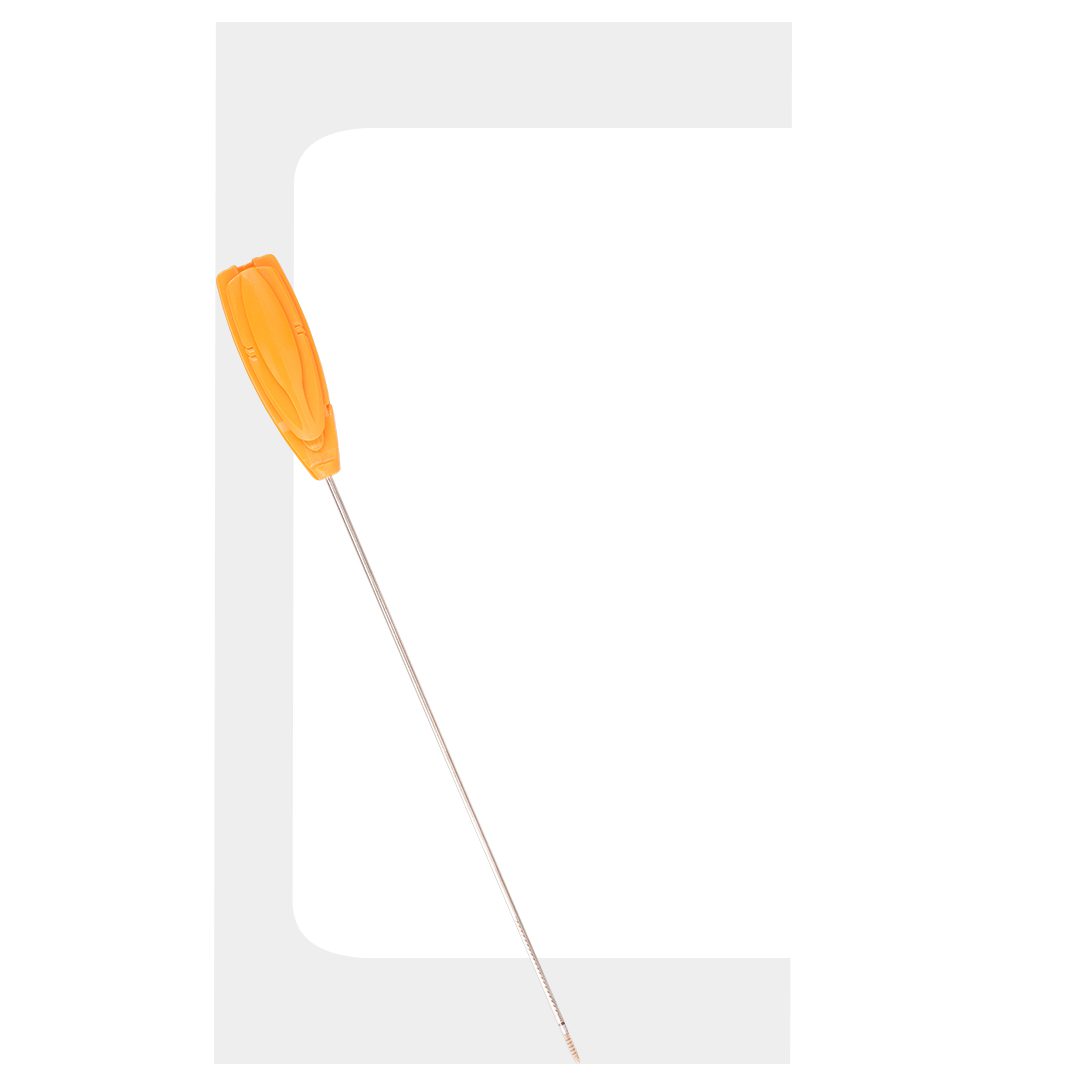

Walk into an orthopedic implant conference today and compare it to one from fifteen years ago, and the shoulder section barely resembles itself. Back then, the conversation was mostly about whether an anchor would hold. Now it’s about material science, biomechanical modeling, and how an implant behaves years after it’s been placed – not just in the first six weeks of healing. That shift says a lot about how far shoulder arthroscopy implant technology has come, and it’s worth understanding what’s actually changed and why.
From “Will It Hold” to “How Will It Age”
Early suture anchors were judged almost entirely on pull-out strength. Fair enough – a repair that fails on day three isn’t much of a repair. But as arthroscopic techniques matured and surgeons started tackling larger tears, more complex instability patterns, and revision cases, it became clear that pull-out strength alone wasn’t telling the whole story.
What happens to an anchor at twelve months matters just as much as what happens at week one. Does it degrade in a way that leaves a bone void? Does it show up on follow-up imaging in a way that confuses a radiologist reading a scan for an unrelated reason years later? Does it interfere with a future revision if one’s ever needed? Modern orthopedic implant innovation has largely been a response to these longer-horizon questions, not just the acute fixation problem.
Material Science: Four Paths, Four Trade-Offs
The clearest evidence of how far shoulder arthroscopy implant technology has advanced is in the sheer range of anchor materials now available, each solving a different piece of the puzzle.
Titanium remains the benchmark for raw strength. It’s dense, it’s rigid, and it shows up unmistakably on X-ray – useful when a surgeon needs to confirm anchor position during or after a case. In high-demand patients with solid bone stock, it’s still hard to beat.
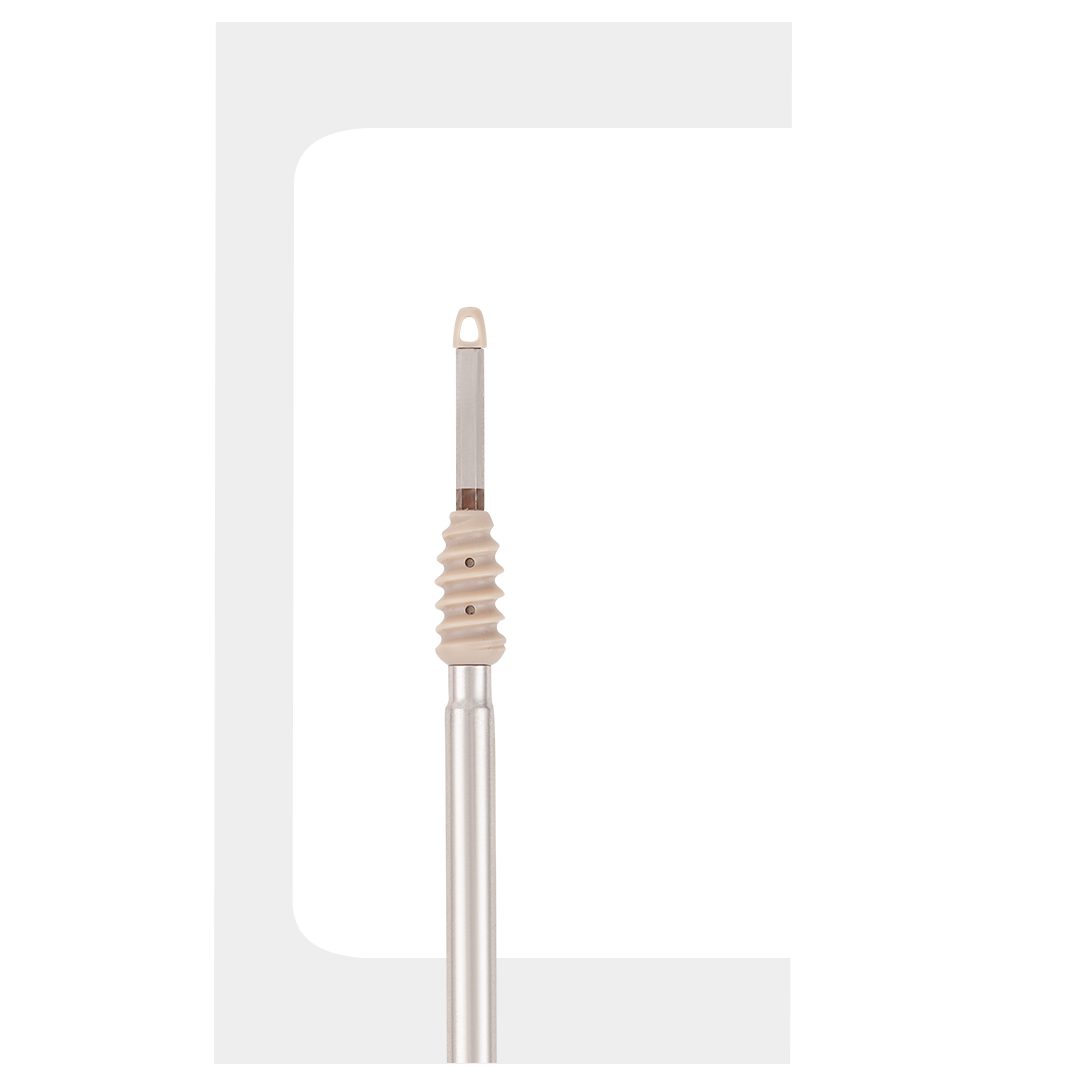
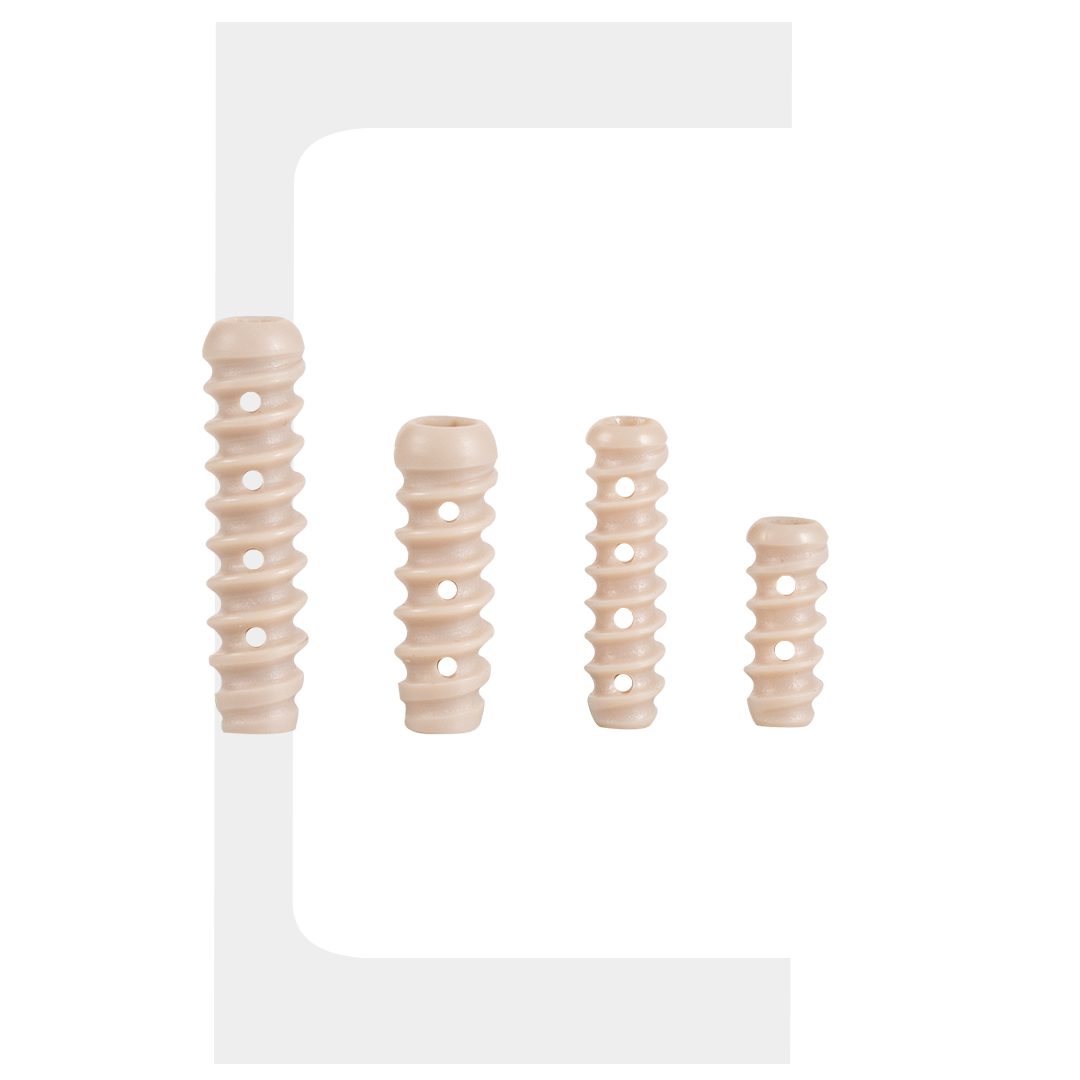
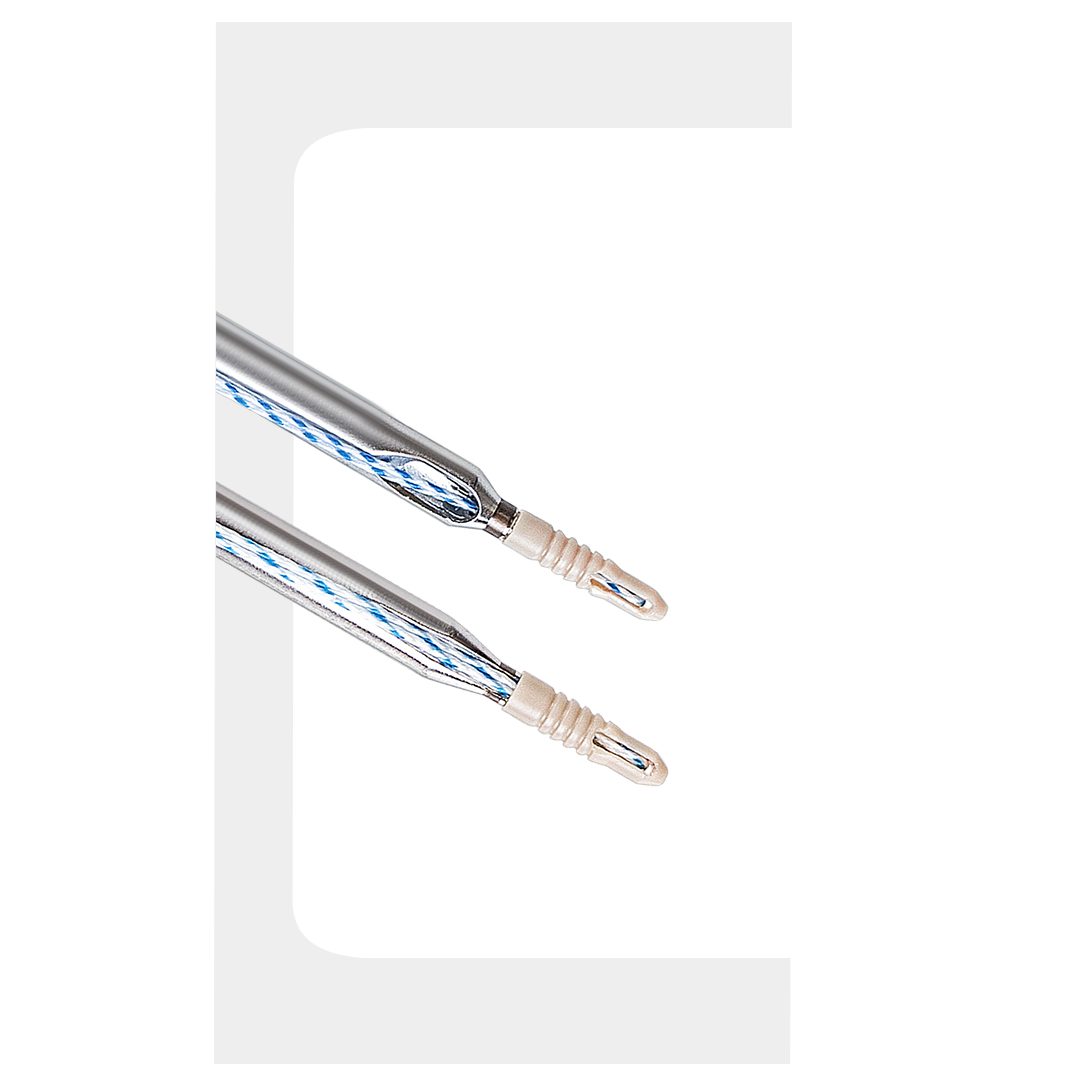
PEEK changed the equation by offering a modulus of elasticity much closer to native bone than titanium ever could. That matters because a mismatch in stiffness at the anchor-bone interface concentrates stress in a way that can lead to micromotion or loosening over time. PEEK anchors are radiolucent too, which keeps postoperative imaging clean and interpretable.
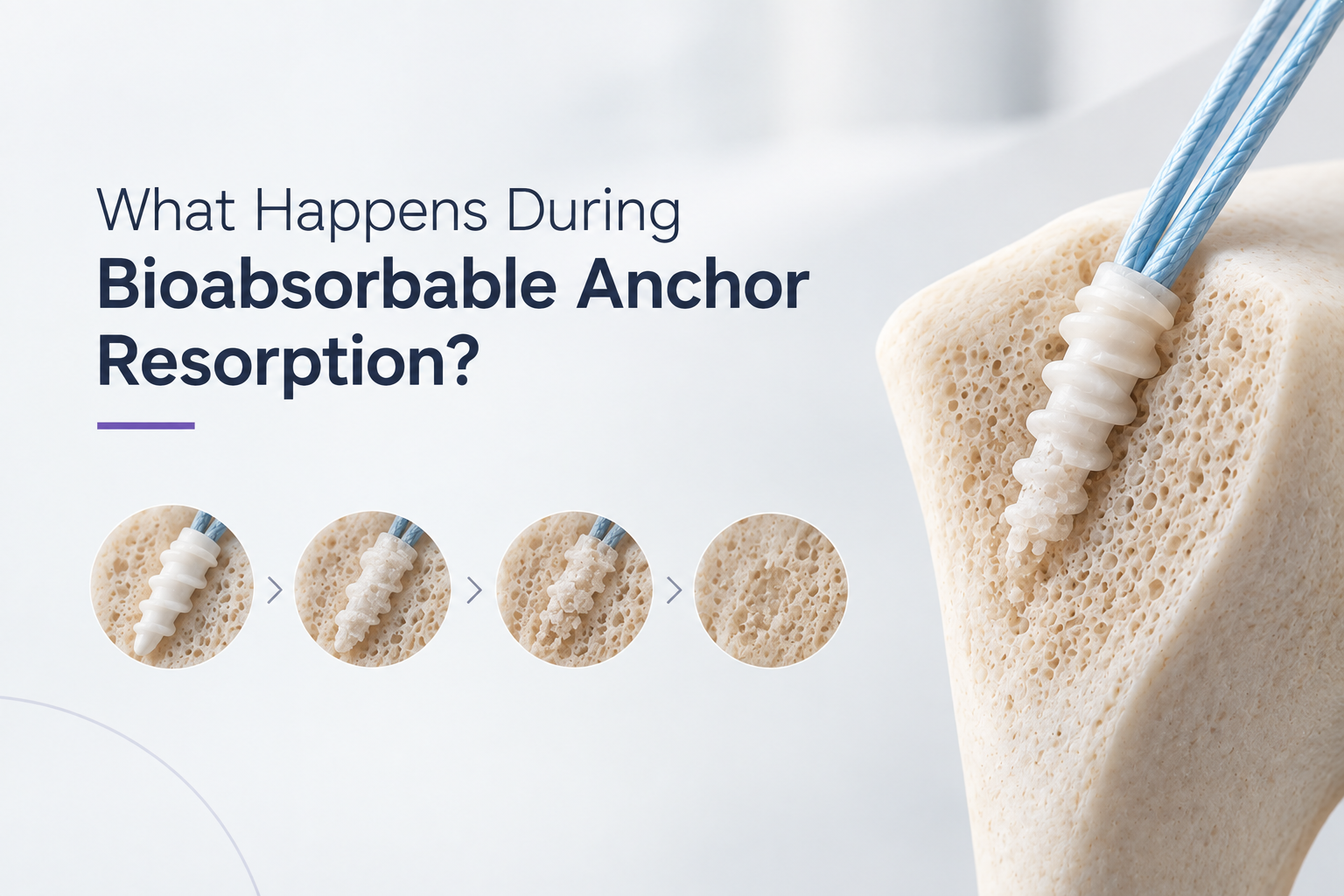
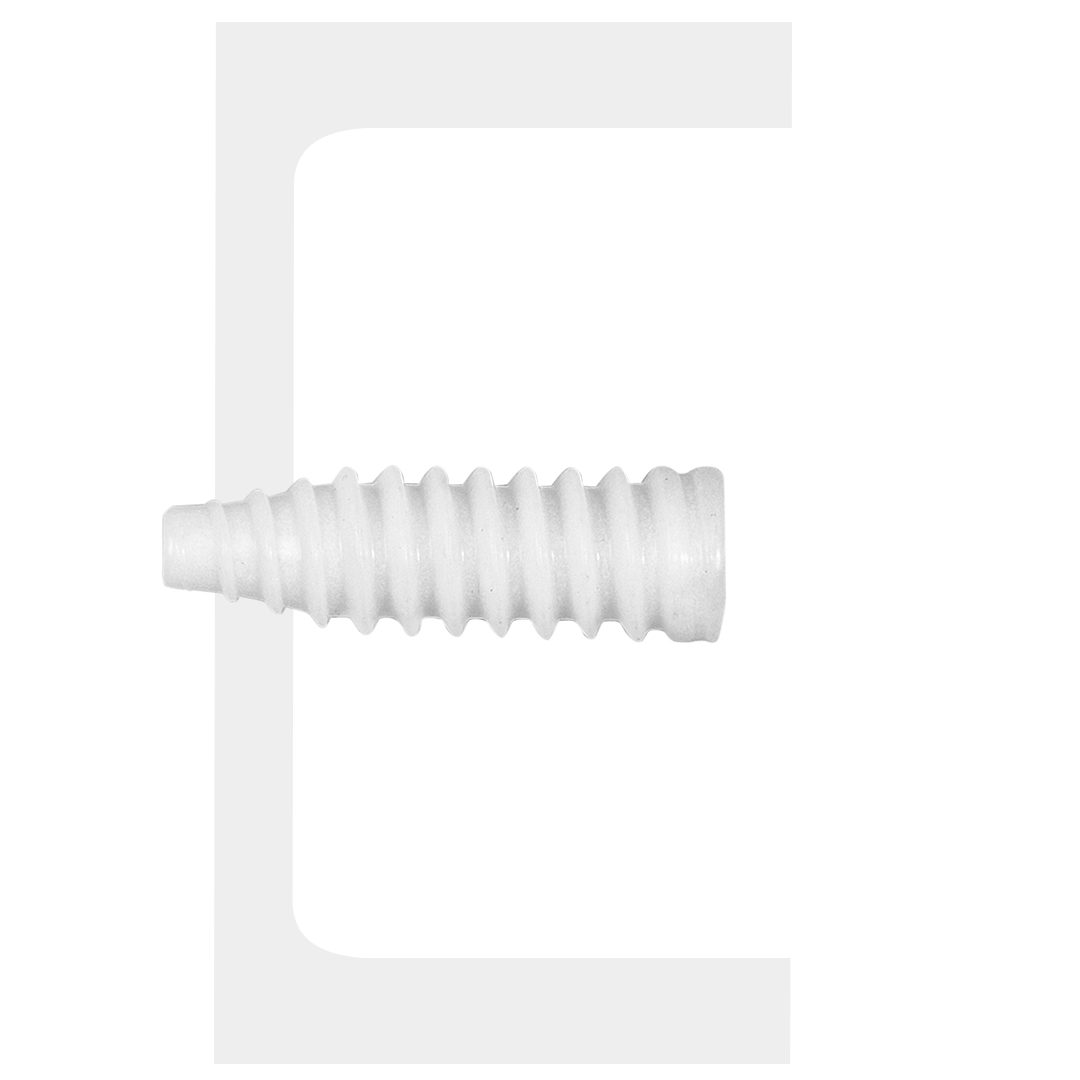
Biocomposite and bioabsorbable anchors took a different approach entirely – rather than staying in the body indefinitely, they resorb over roughly 18 to 24 months while host bone gradually fills in behind them. For younger patients who may need revision surgery down the road, that’s a meaningful advantage; there’s no permanent hardware sitting in the glenoid or humeral footprint complicating a future procedure.
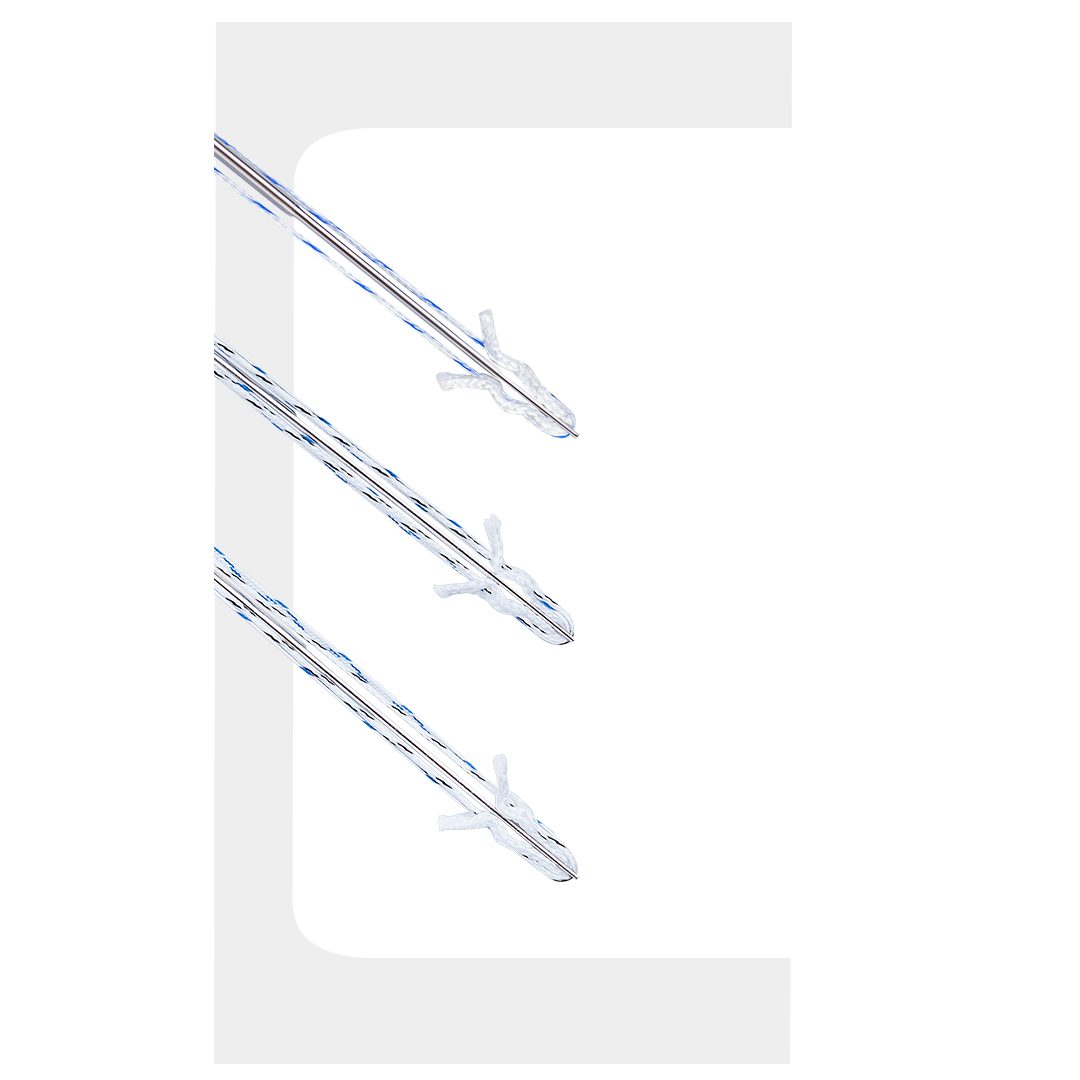
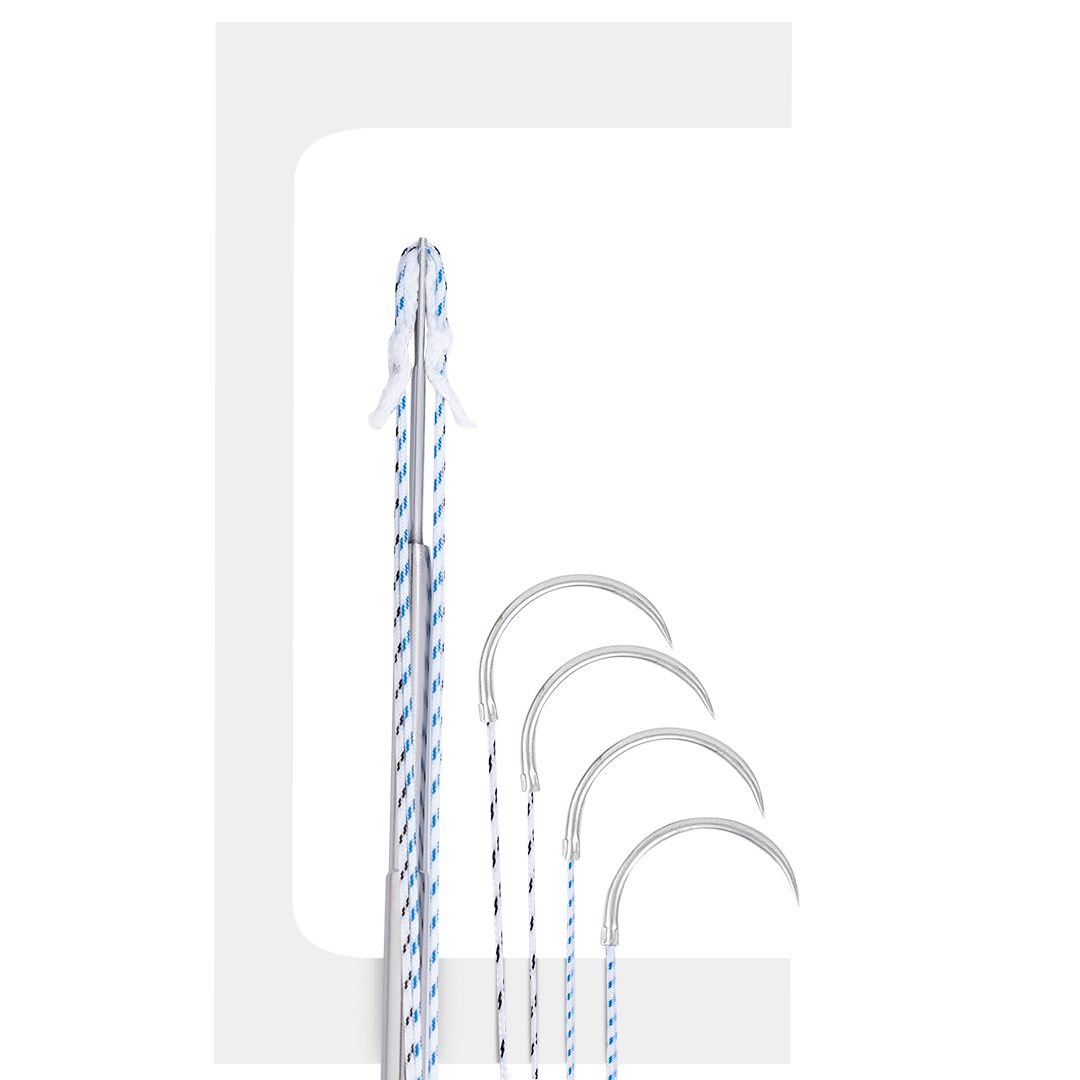
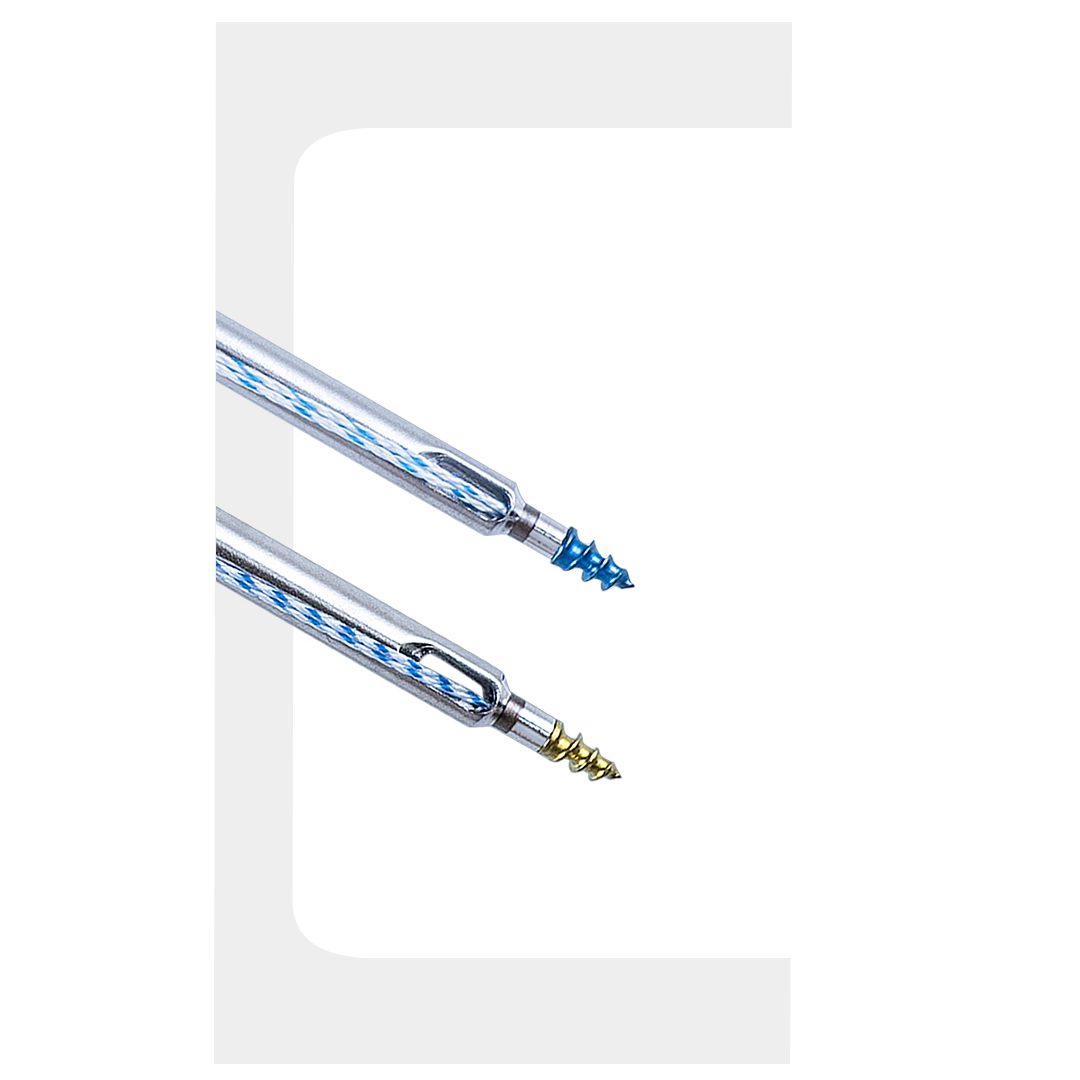
All-suture anchors are probably the biggest departure from anchor design as it existed a generation ago. Instead of a rigid body occupying a drilled hole, an all-suture anchor deploys as a soft, expandable construct that distributes load across a broader volume of cancellous bone. In osteoporotic patients, or in small glenoids where a rigid anchor risks fracture, this has become close to a default choice.
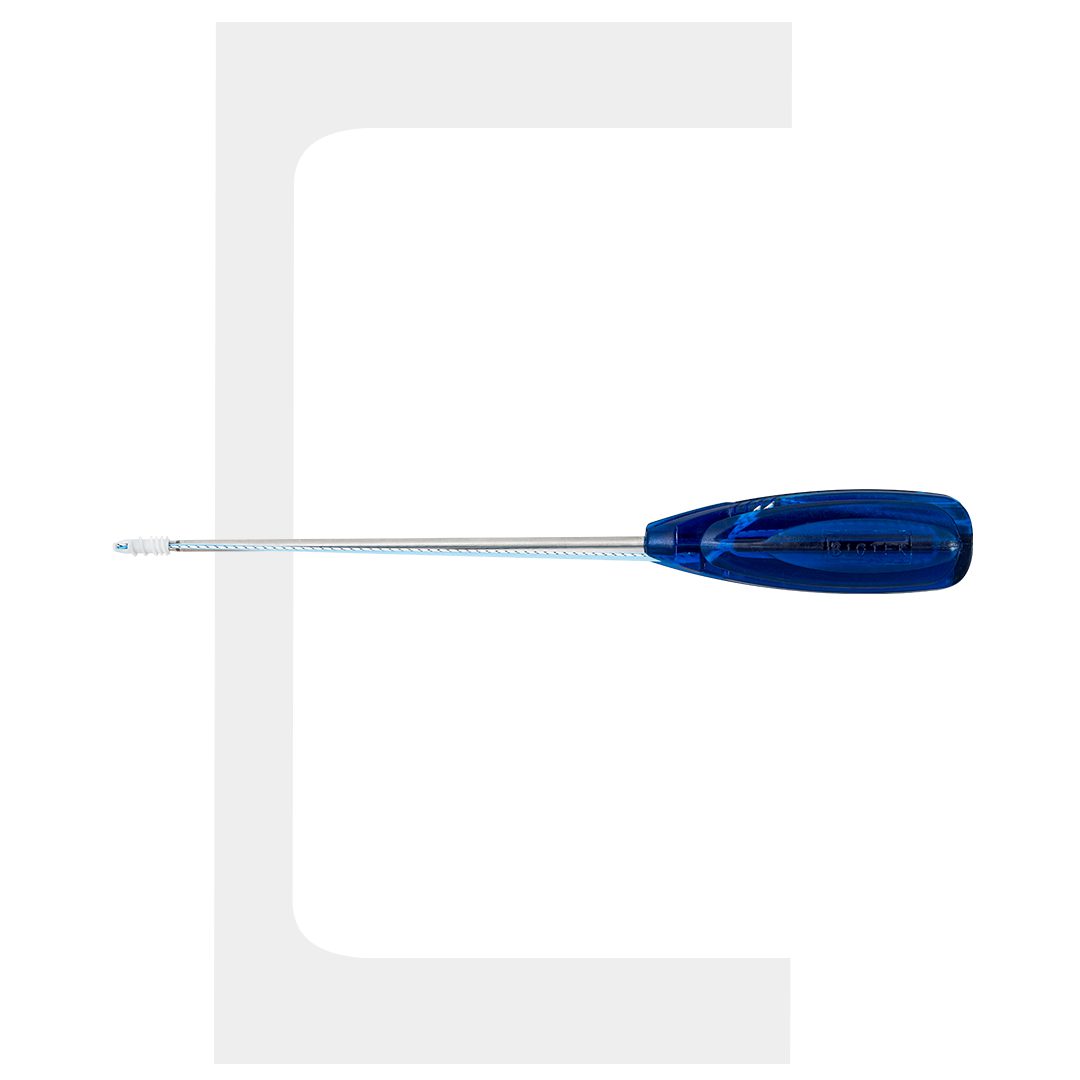
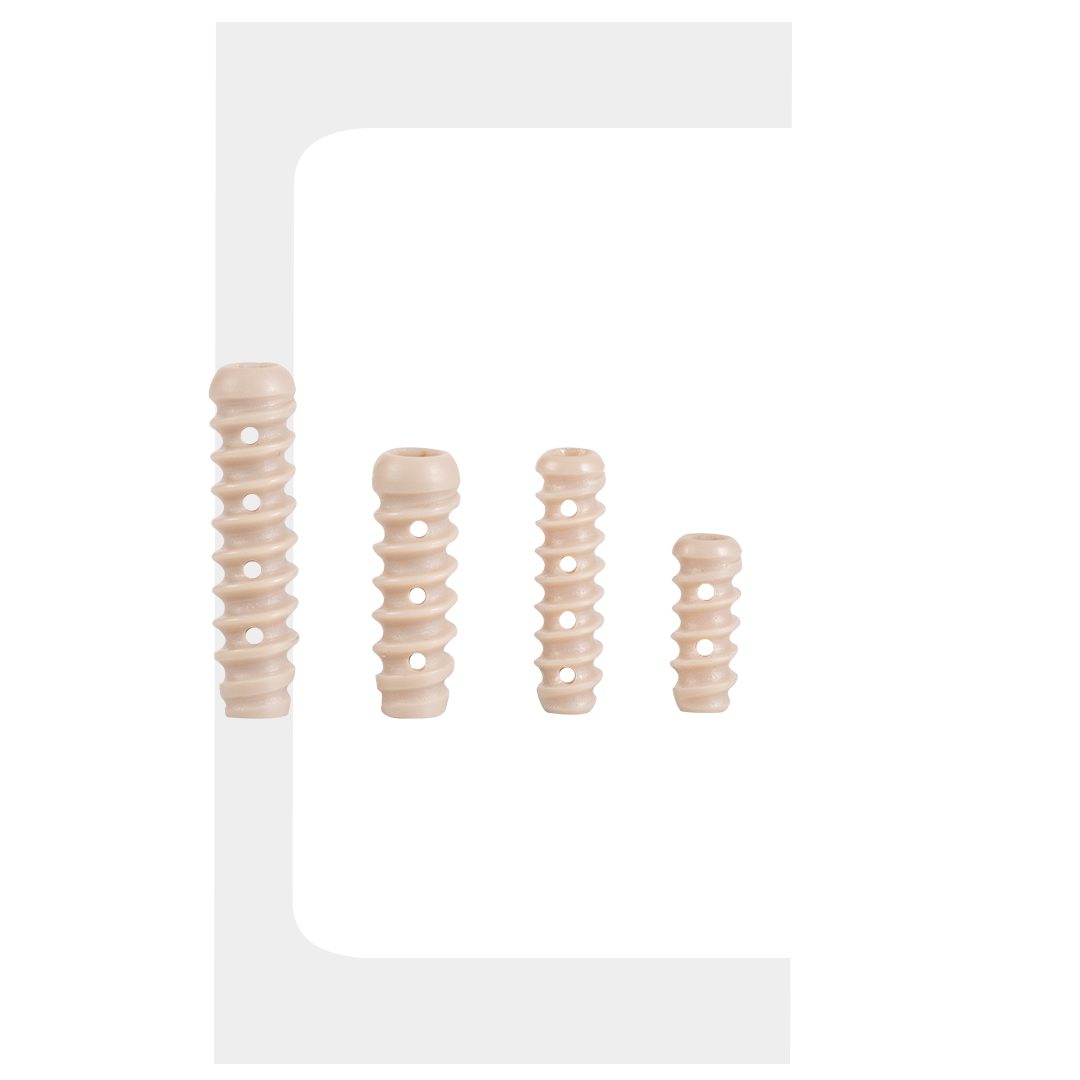
BioTek Ortho’s anchor portfolio – SUPER-VIM, VIMFIX-PK, VIMFIX-LR, BIO-VIM, MINI-VIM, and FIBERKNOT – spans all four of these material categories, which means the material decision can be driven by the patient in front of the surgeon rather than by whatever’s stocked in a single-material system.
Knotless Design: A Quiet but Significant Shift
If there’s one piece of suture anchor design that’s changed surgical workflow more than any material innovation, it’s knotless technology. Traditional knotted anchors demand a certain amount of manual skill and time – tying consistent, secure knots arthroscopically isn’t trivial, and knot stacks can create prominence issues at the repair site.
Knotless anchor technology solves this by building tension into the deployment mechanism itself. The suture locks the moment the anchor seats, delivering consistent fixation without relying on the surgeon’s knot-tying technique on that particular day. FIBERKNOT Knotless and MINI-VIM PK Knotless both use this approach, and the time savings across a full surgical day of instability and rotator cuff cases can be substantial.
That said, knotted constructs haven’t disappeared, and they shouldn’t. There are still situations – particularly where a surgeon wants to fine-tune tension based on what they’re seeing intraoperatively – where a knotted option is genuinely the better tool. The advances here have been about expanding the toolkit, not replacing one approach wholesale with another.
Suture Engineering Behind the Anchor
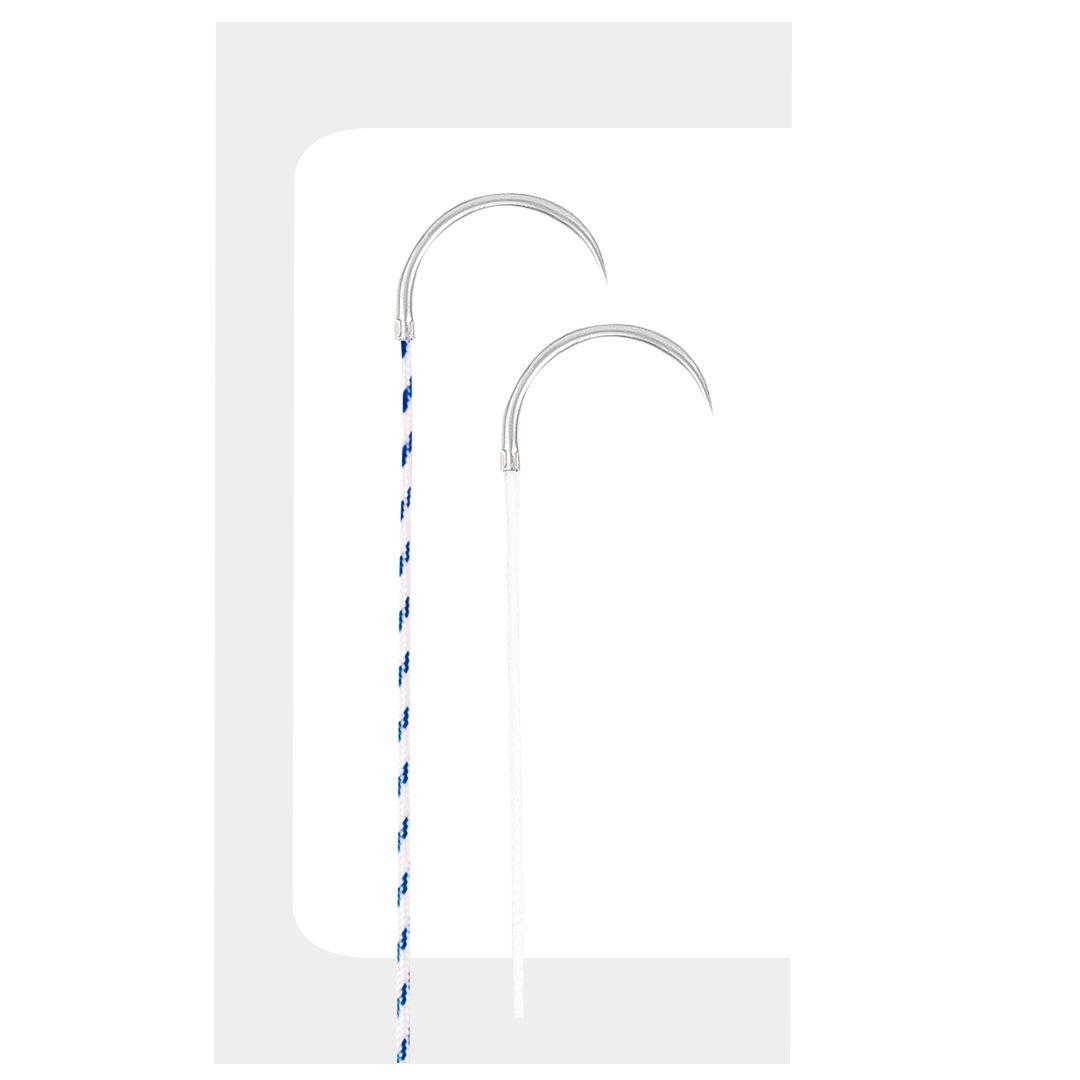
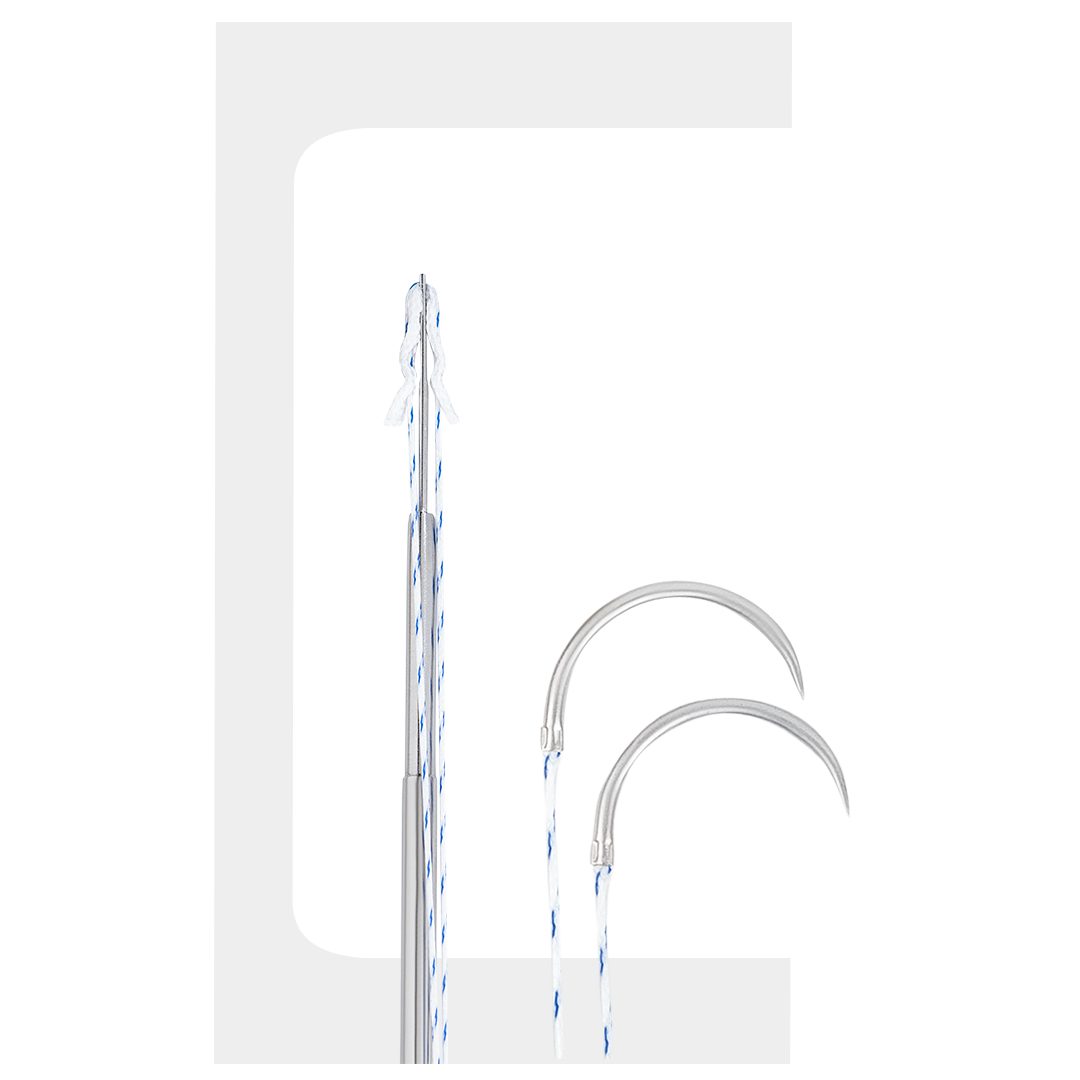
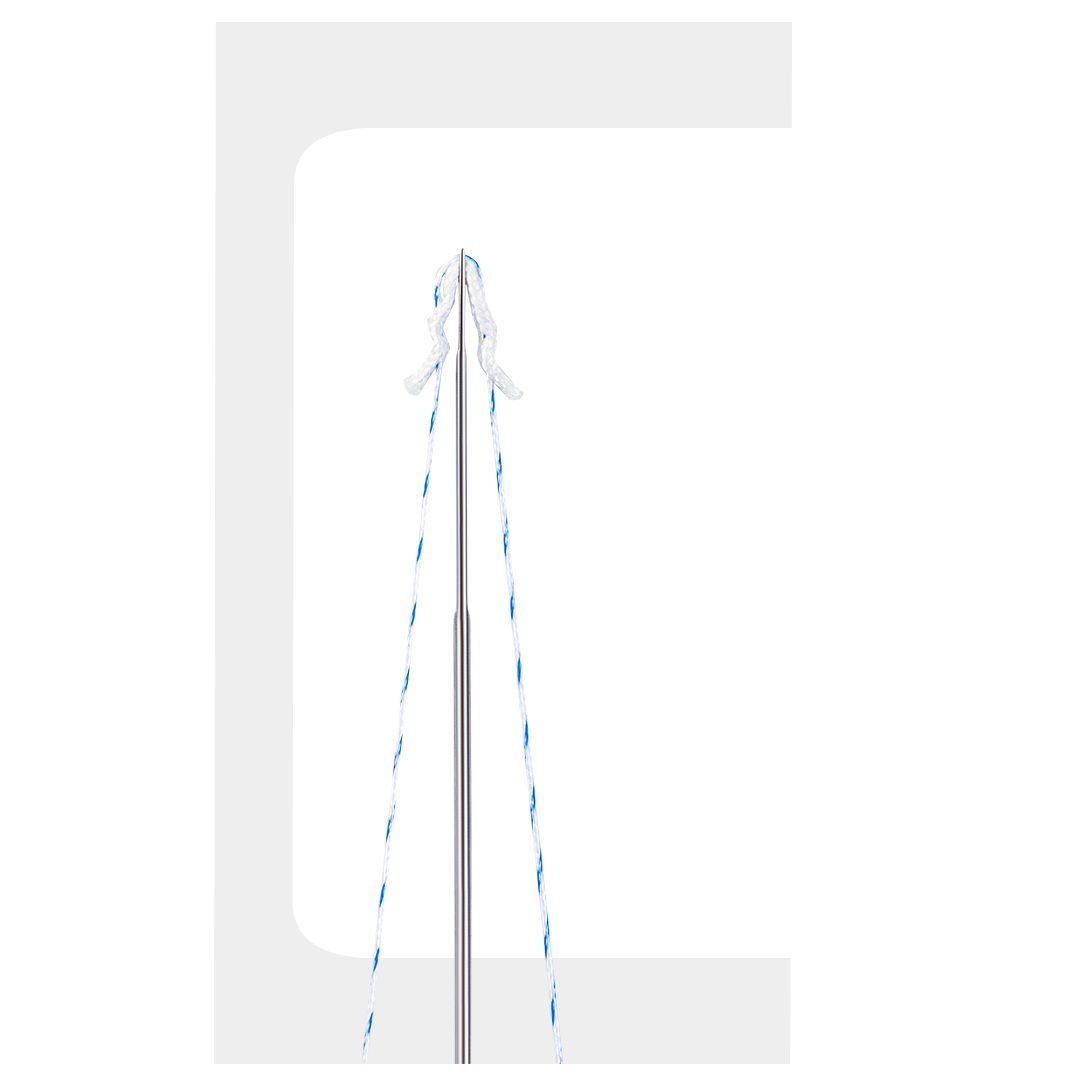
Anchor bodies get most of the spotlight, but the suture or tape running through them has quietly become just as sophisticated. High-strength braided sutures and tape constructs like BioFiber and BioFiber Tape are engineered for low creep under cyclic load – meaning they hold their tension through the months of healing rather than gradually stretching, which used to be a real source of construct failure in rotator cuff and instability repairs alike.
Rotator Cuff Constructs: Where the Numbers Show Up
Rotator cuff implant advances are probably where these material and design changes translate most directly into measurable outcomes. Suture-bridge and double-row constructs, built on knotless anchor platforms like VIMFIX-LR, restore a broader footprint contact area than older single-row techniques ever could. For smaller tears, healing rates with modern bridge constructs run close to 89%; for tears over 2 cm, that figure is lower but still represents a real improvement over what single-row fixation alone could deliver a decade ago.
Where the Field Is Heading
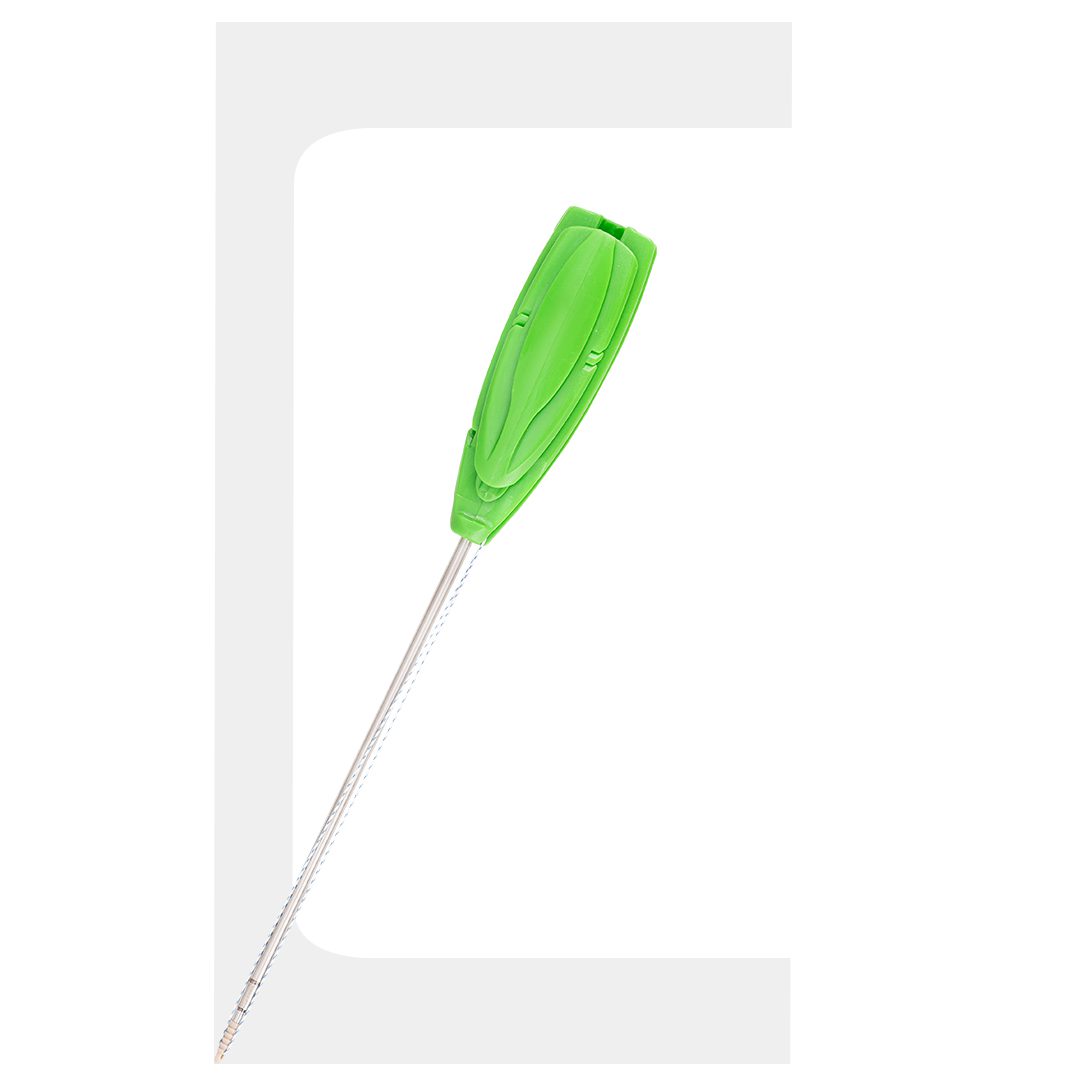
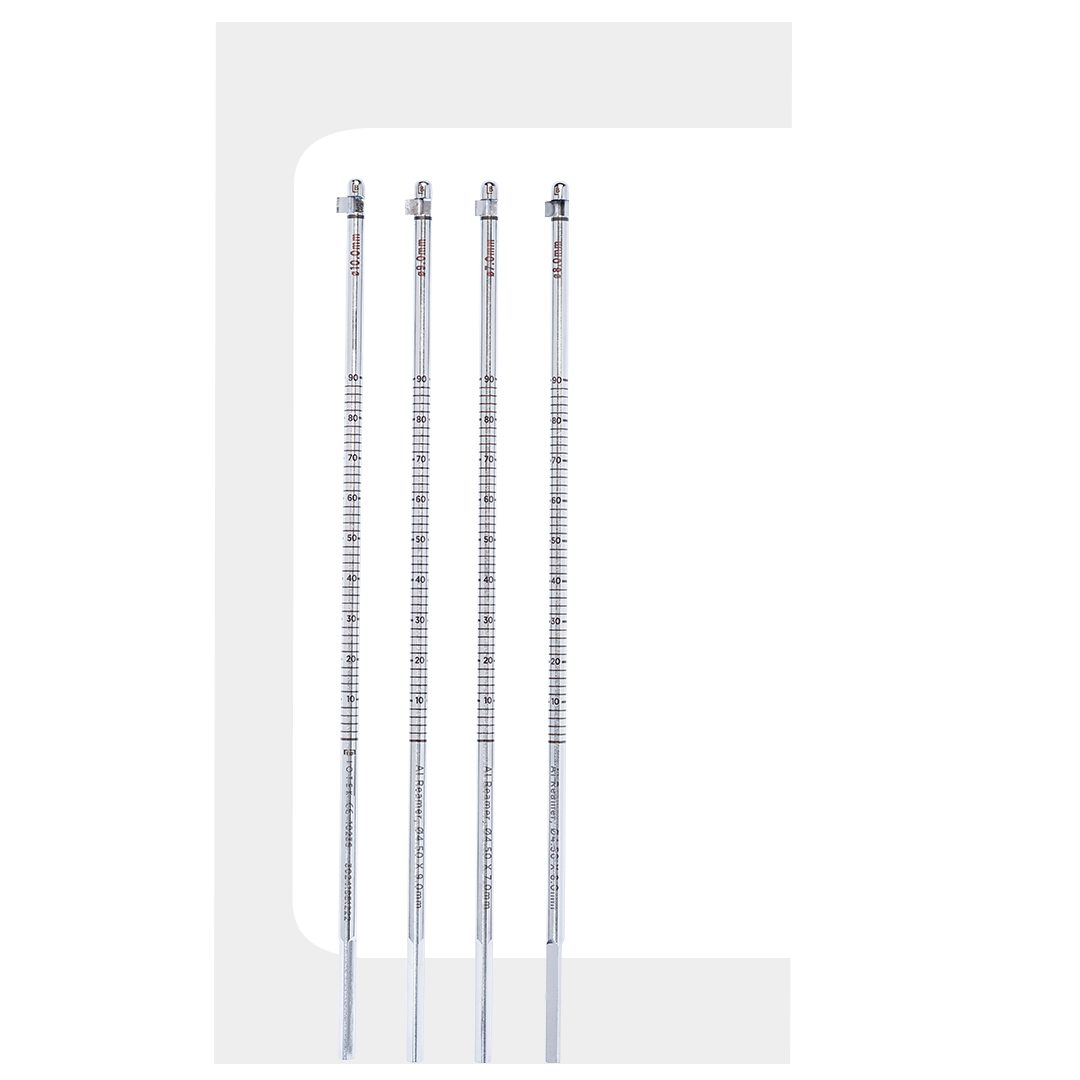
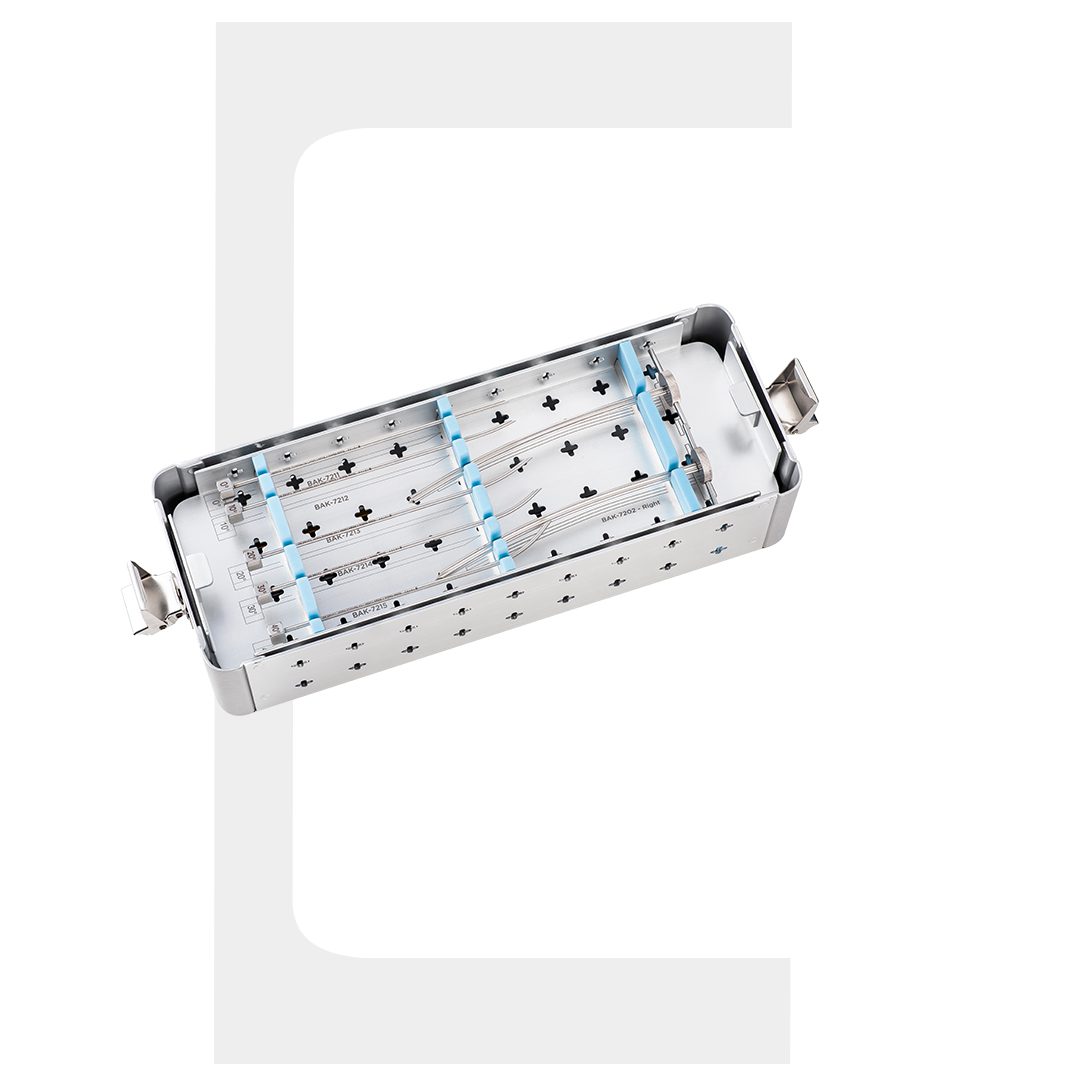
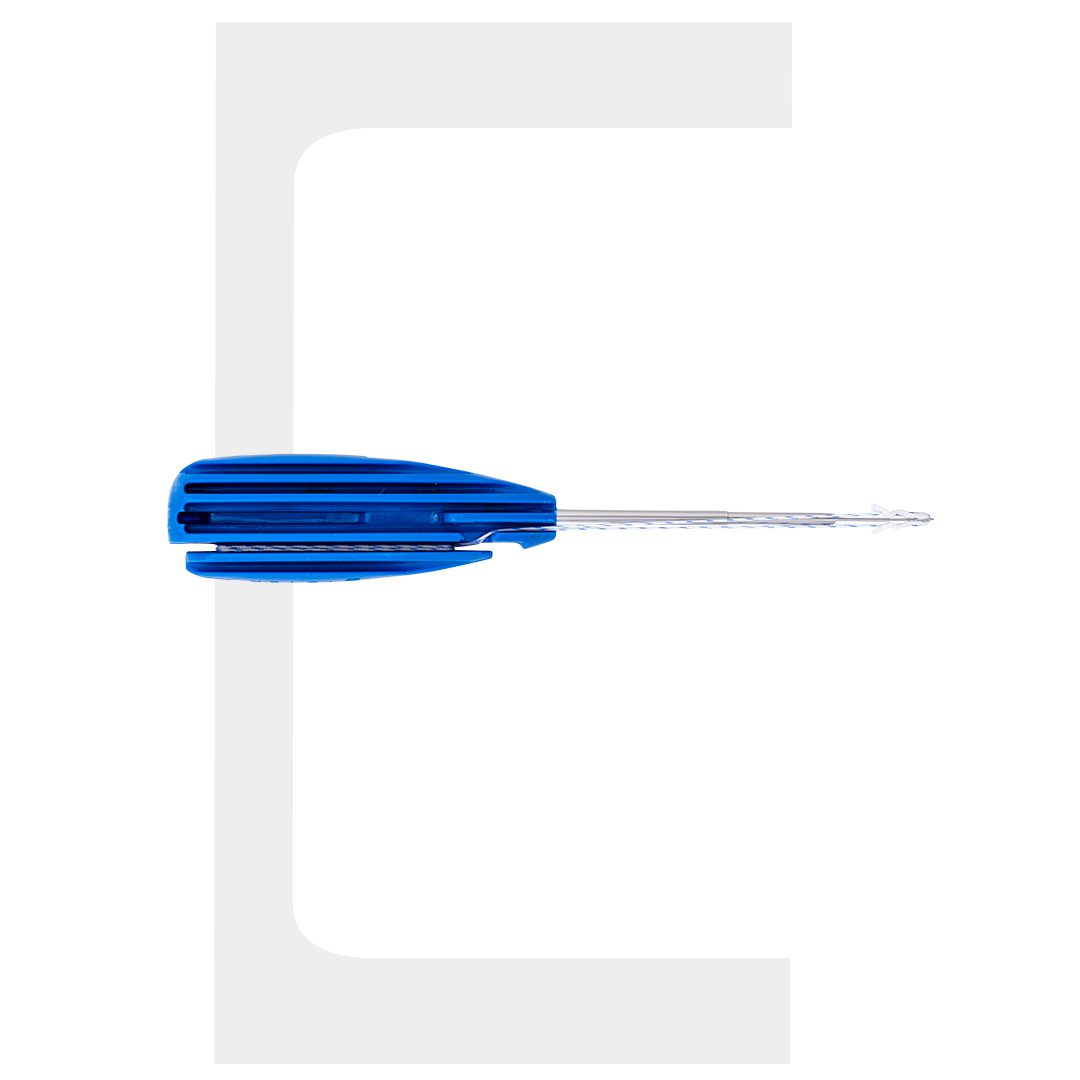
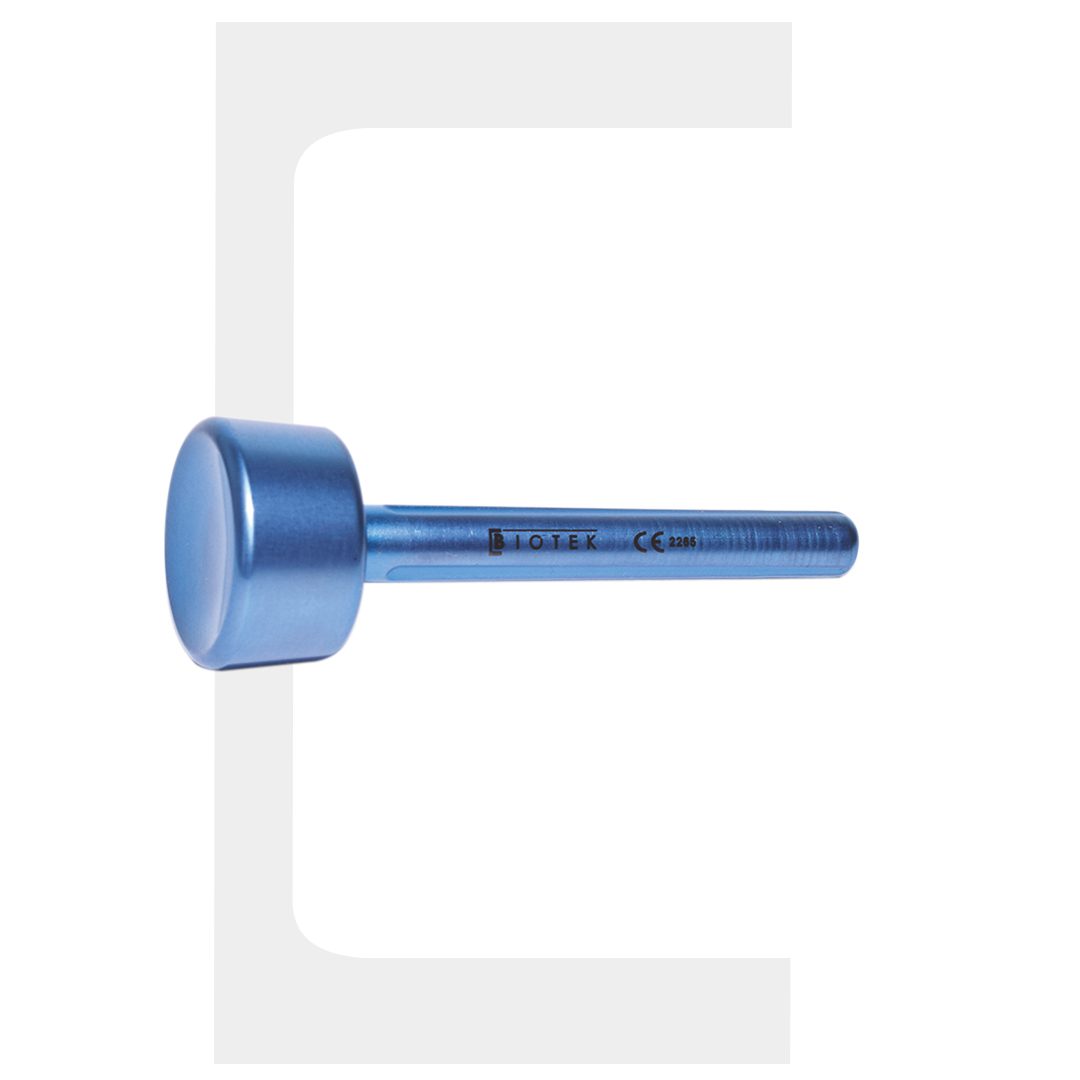
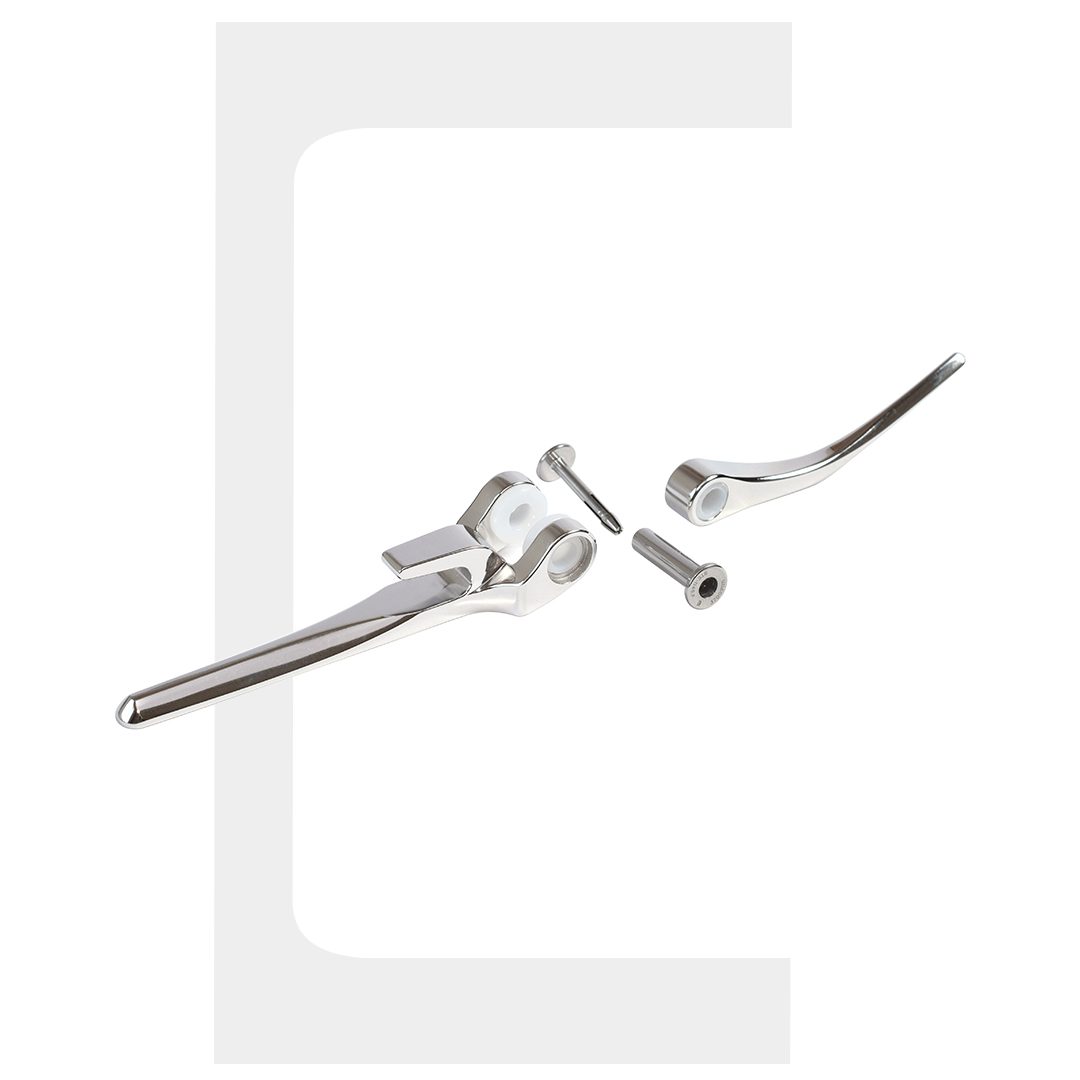
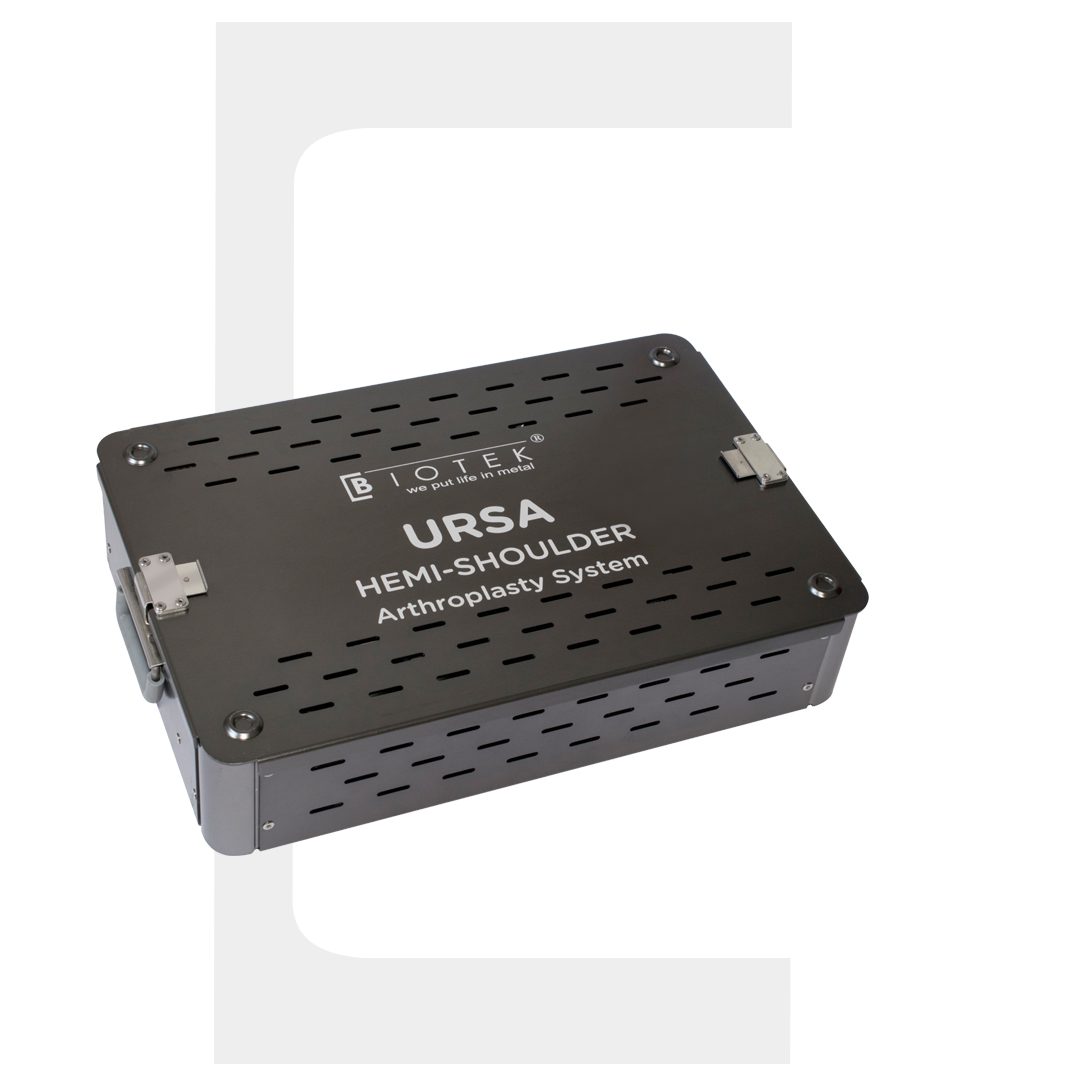
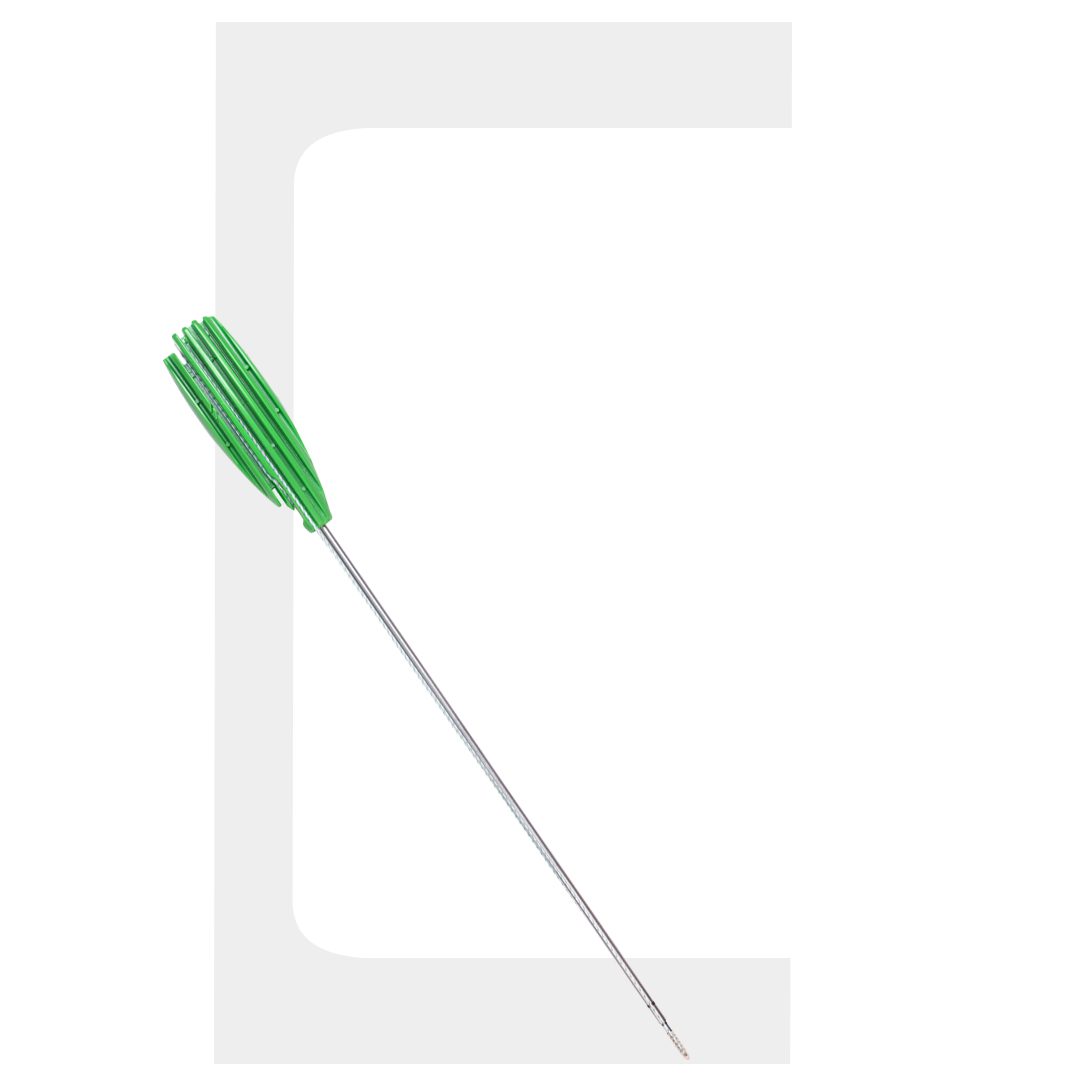
The next phase of shoulder arthroscopy implant technology looks to be less about the anchor body itself and more about the interface it creates with living tissue – surface treatments that encourage faster bony ingrowth, suture materials engineered for even lower creep, and instrumentation that shortens the gap between tissue preparation and final fixation. BioTek’s own instrument range, from glenoid rasps to the Shuttle Ferry II suture passer, reflects that same logic: the anchor is only as good as the technique surrounding it.
Conclusion
Shoulder arthroscopy implant technology hasn’t advanced through one single breakthrough – it’s moved forward through better materials, smarter mechanical design, and suture engineering that holds up under real biological load. Titanium, PEEK, biocomposite, and all-suture anchors now give surgeons genuine options rather than a single default, and knotless design has changed how efficiently those options get deployed in the operating room. The result is a toolkit that lets surgeons match the implant to the patient, rather than adjusting the patient’s treatment around the limitations of the implant.
For more clinical reading on implant science, anchor design, and arthroscopic technique, explore the BioTek Ortho blog.
Frequently Asked Questions
What materials are used in modern shoulder arthroscopy implants?
Modern shoulder arthroscopy implant technology relies on four main anchor materials: titanium (maximum strength, visible on imaging), PEEK (radiolucent, bone-like stiffness), biocomposite/bioabsorbable (resorbs over 18 to 24 months), and all-suture (minimal bone removal, ideal for softer bone). Each addresses a different combination of bone quality, patient age, and repair demands.
What is knotless anchor technology, and why is it used?
Knotless anchor technology locks suture tension into the anchor at the moment of deployment, removing the need for arthroscopic knot-tying. It produces more consistent fixation, reduces operative time, and eliminates a knot stack at the repair site, which is particularly valuable in procedures like Bankart repair where capsular tensioning is the main goal.
How has suture anchor design changed over the past decade?
Suture anchor design has moved from a narrow focus on pull-out strength toward a broader consideration of long-term behavior – how an anchor interacts with bone over months and years, whether it shows up on imaging, and how it affects future revision surgery. This has driven the shift toward PEEK, biocomposite, and all-suture options alongside traditional titanium.
Why are all-suture anchors becoming more common?
All-suture anchors remove very little bone during insertion and spread pull-out forces across a wider area of cancellous bone rather than concentrating stress at one point. That makes them a strong option in osteoporotic patients or in anatomically small areas like a thin glenoid rim, where a rigid anchor carries a higher fracture risk.
Do these implant advances actually improve healing rates?
Yes, particularly in rotator cuff repair. Suture-bridge and double-row constructs built on modern knotless anchor platforms restore a broader footprint contact area than older single-row techniques, and healing rates for smaller tears with these constructs run close to 89%, a clear improvement over historical single-row outcomes.