How Biodegradable Implants Are Transforming Arthroscopic Surgery
Arthroscopic surgery has always been driven by a singular goal: repair the injury with the least possible disruption to the patient. For decades, metal implants were the default – reliable, strong, and well understood. But the conversation has shifted. Across operating rooms from Mumbai to Manchester, biodegradable vs non-biodegradable implants have become one of the most debated topics in sports medicine and orthopedic surgery.
The reason is straightforward: biodegradable implants do something metal never could – they disappear. And in the process of disappearing, they are changing what recovery looks like for thousands of patients every year.
The Shift Toward Biodegradable Technology
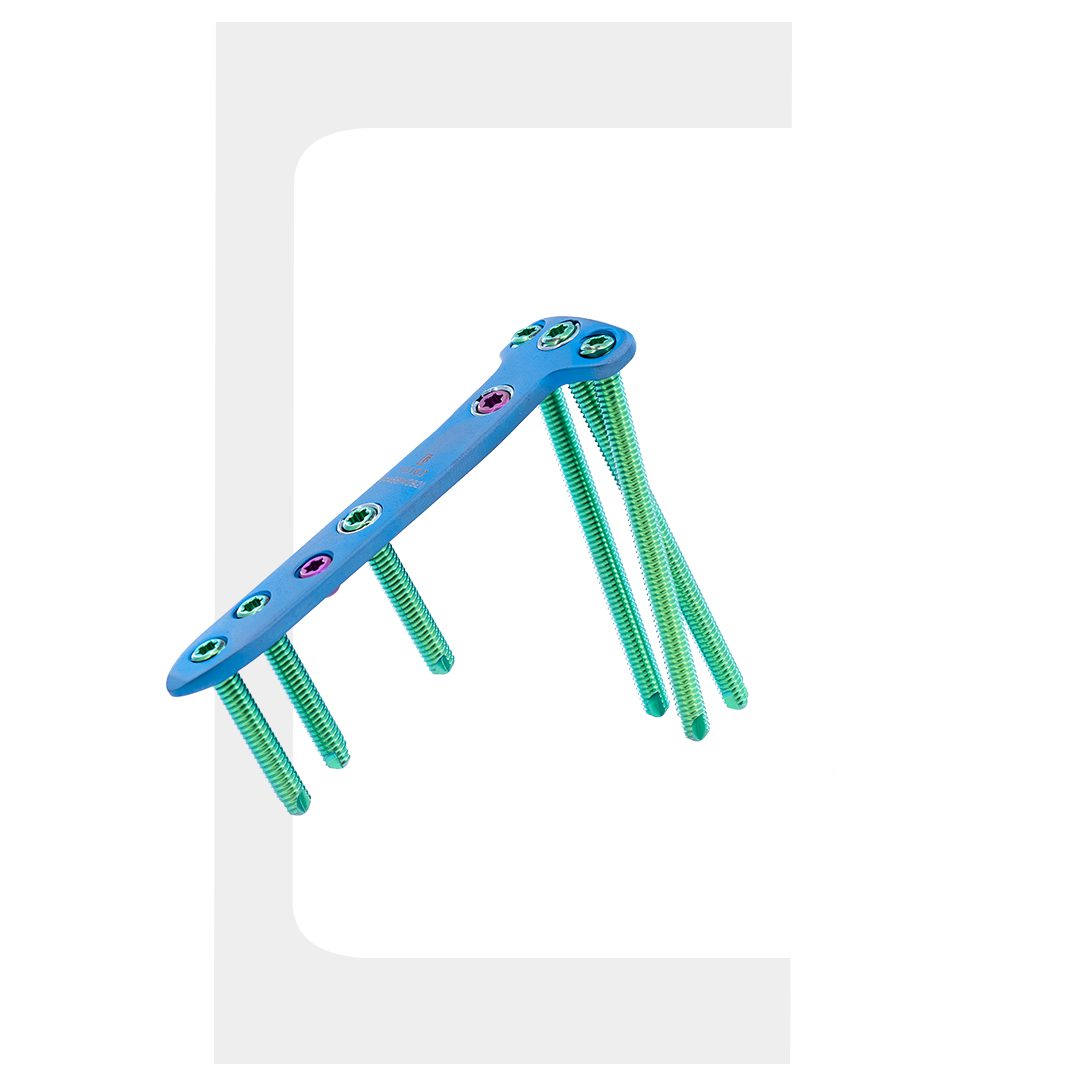
The limitations of permanent metal implants have been well documented. They can cause stress shielding, complicate follow-up imaging with MRI artefacts, and make revision surgery significantly more difficult. When a patient returns years later with a new injury, the surgeon often faces an additional challenge: working around hardware that was never meant to come out.
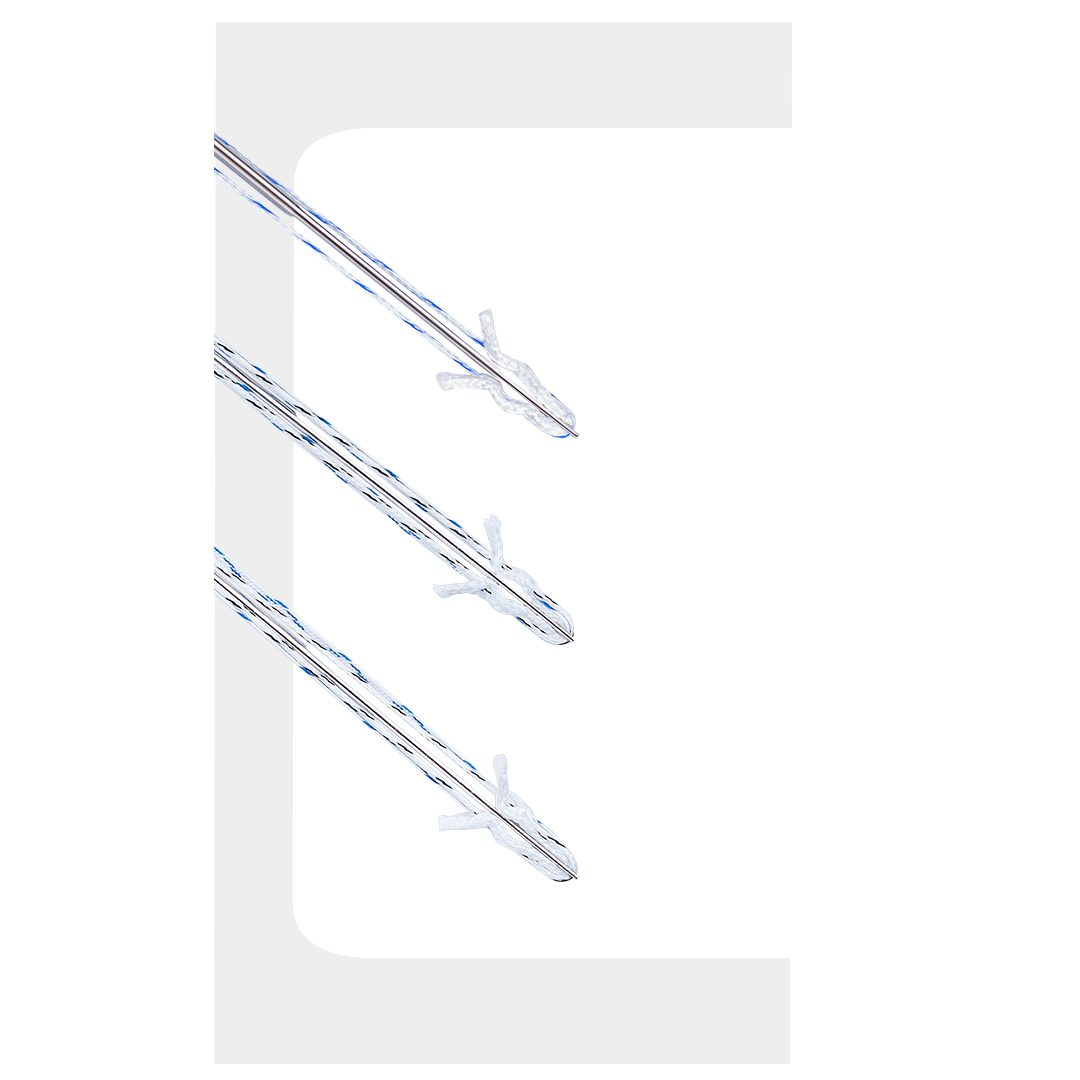
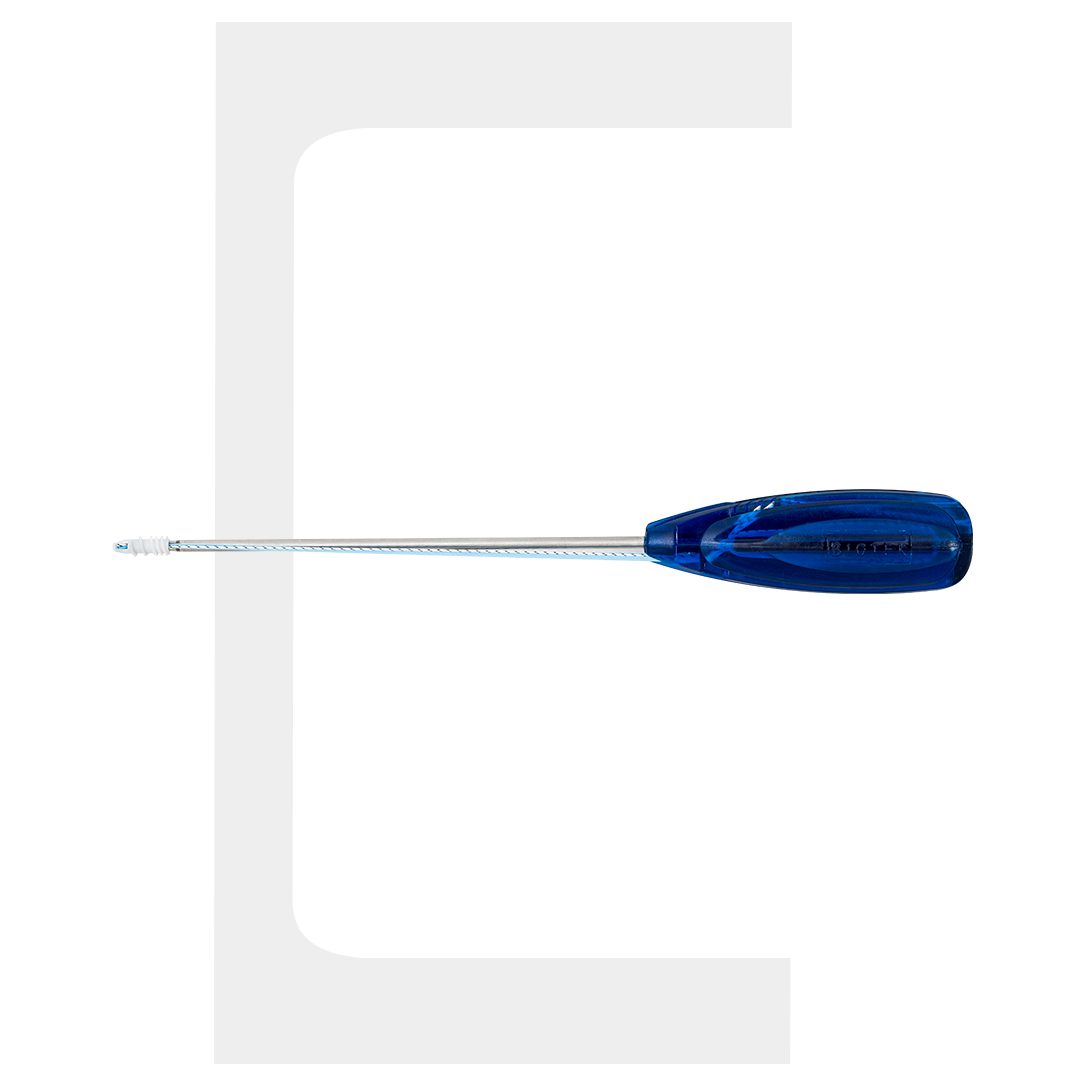
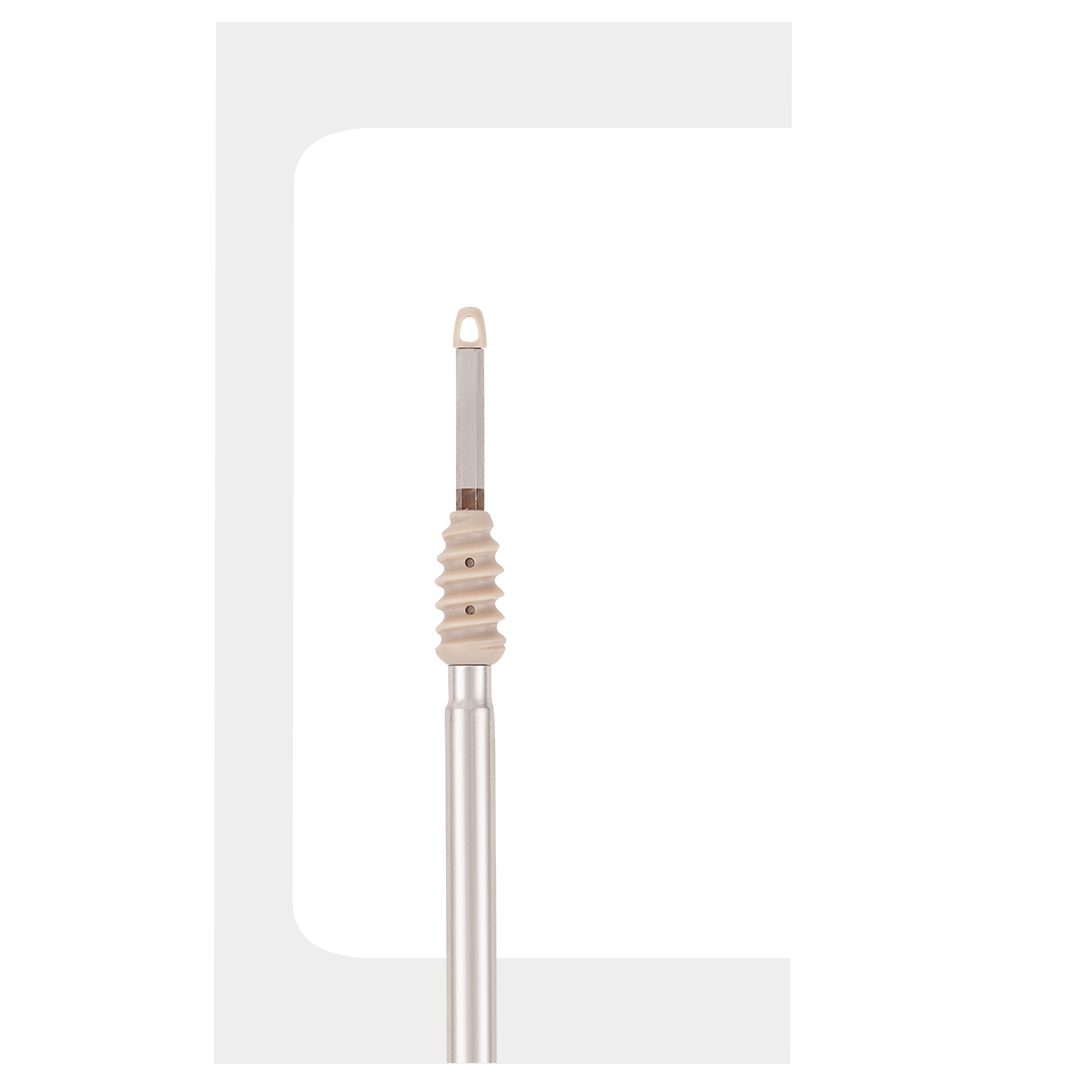
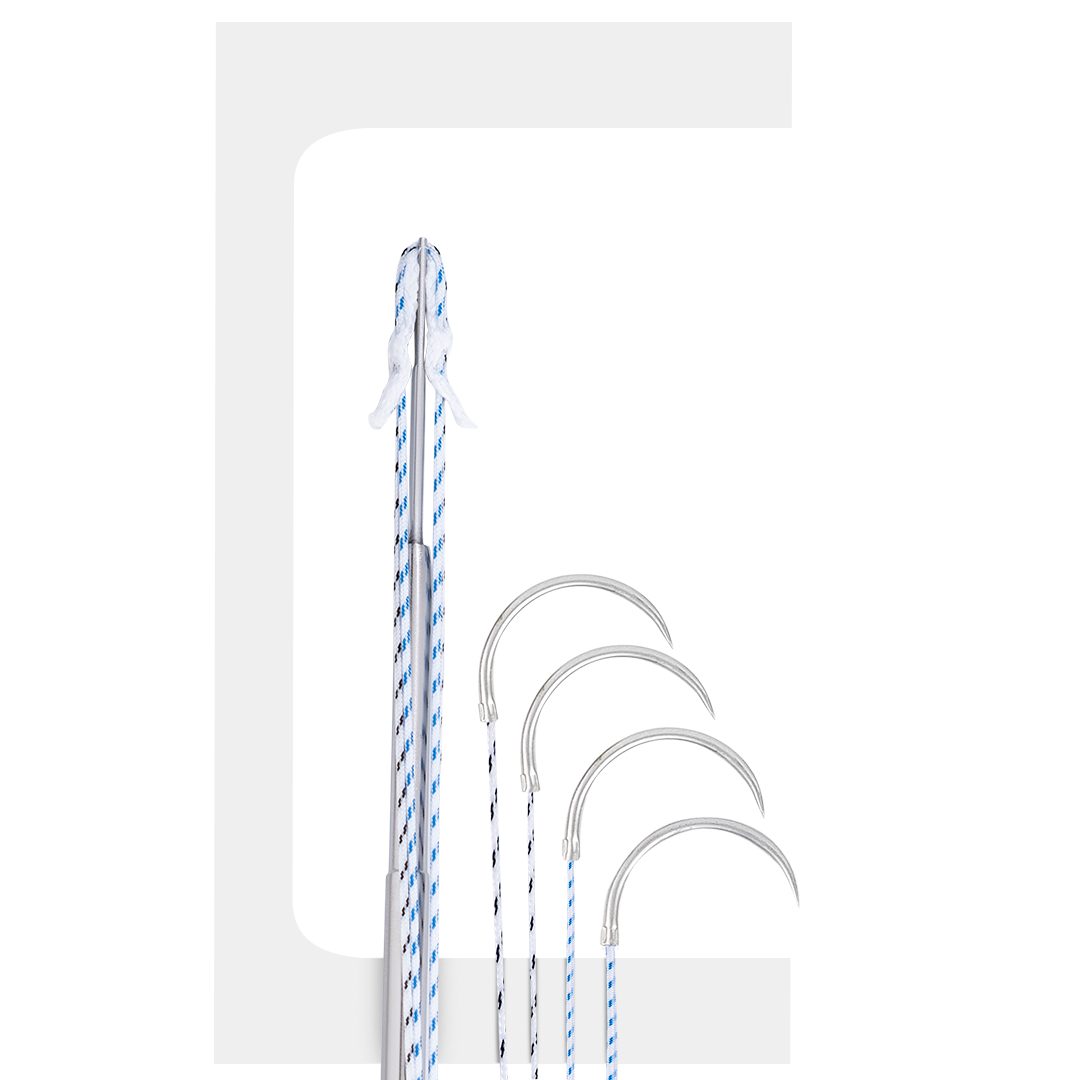
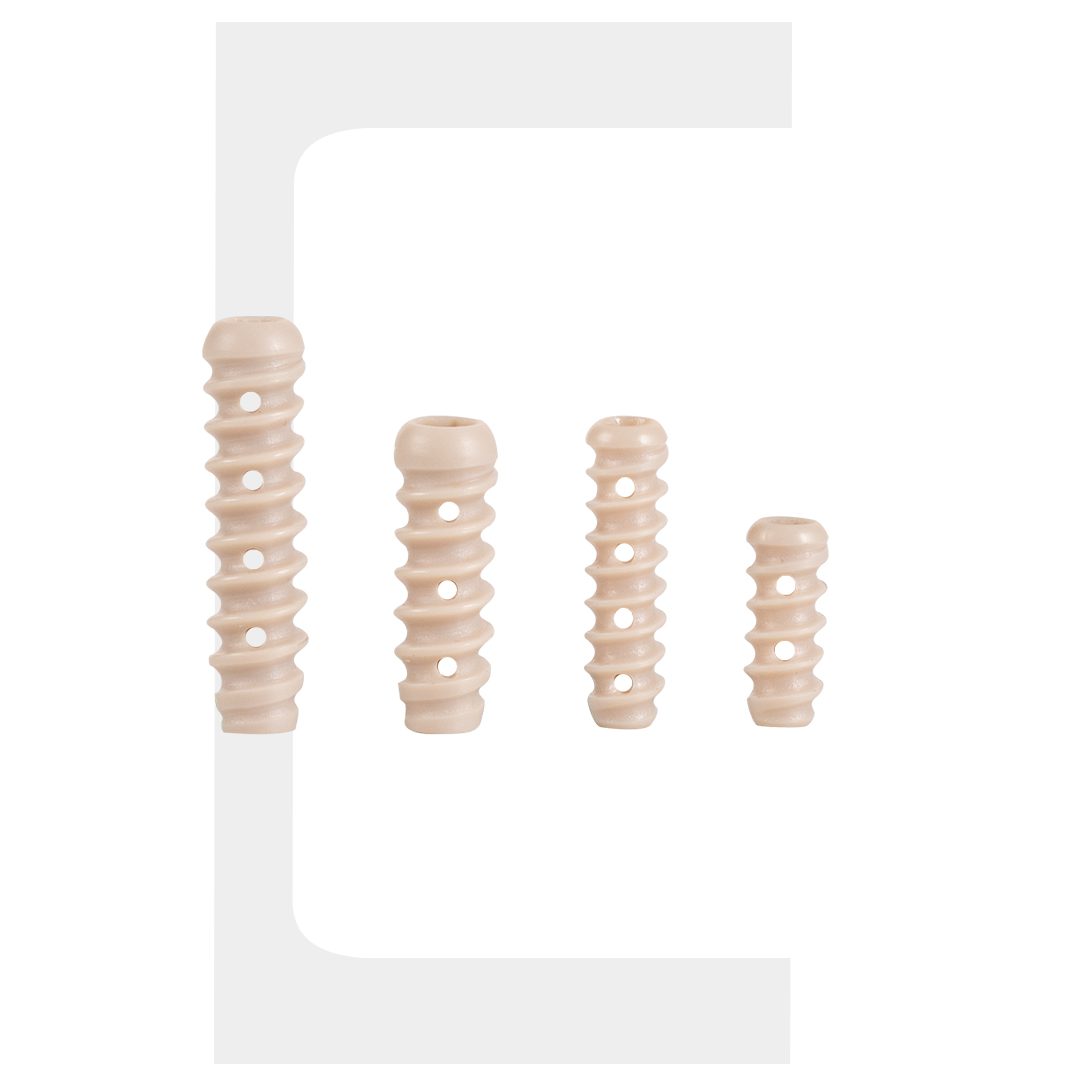
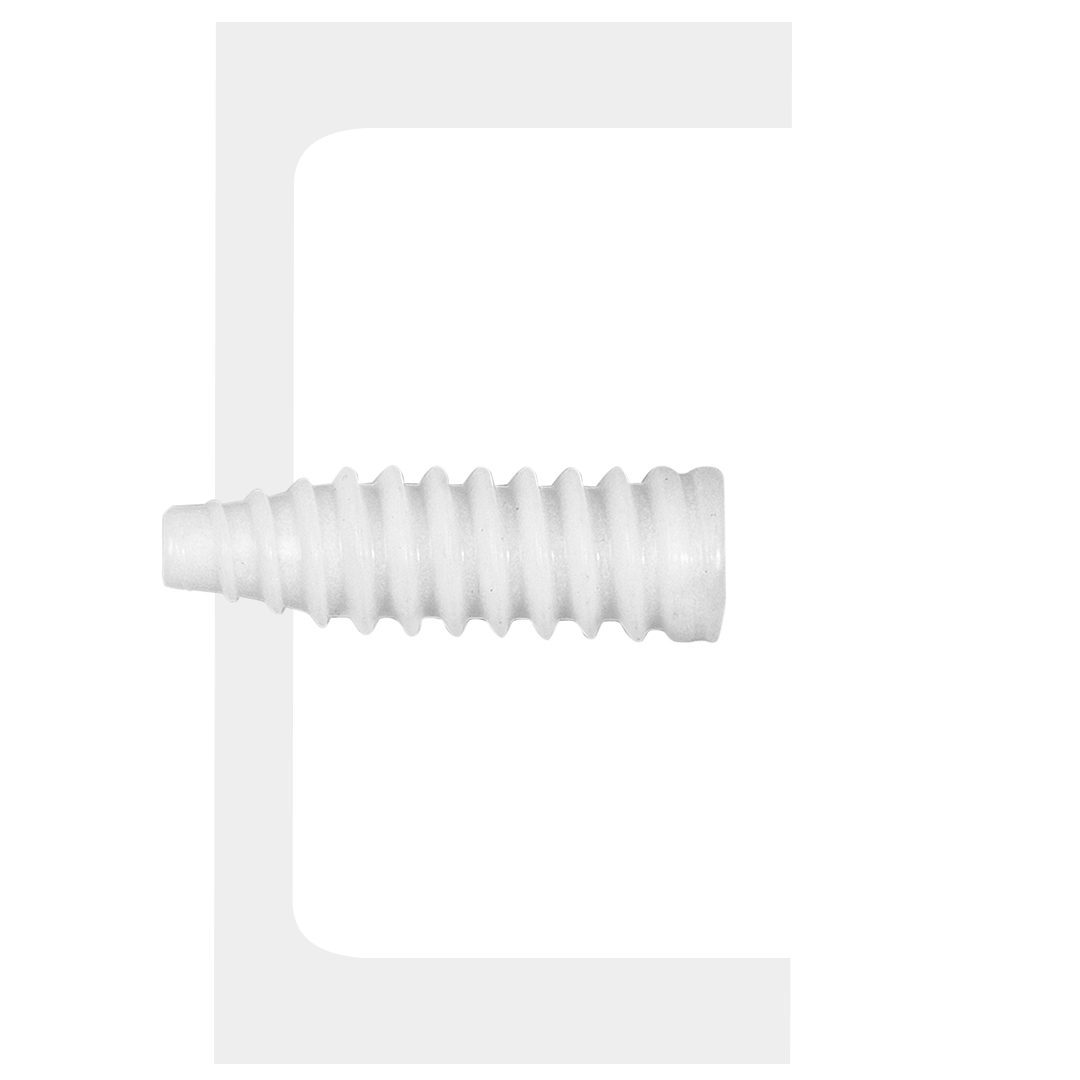
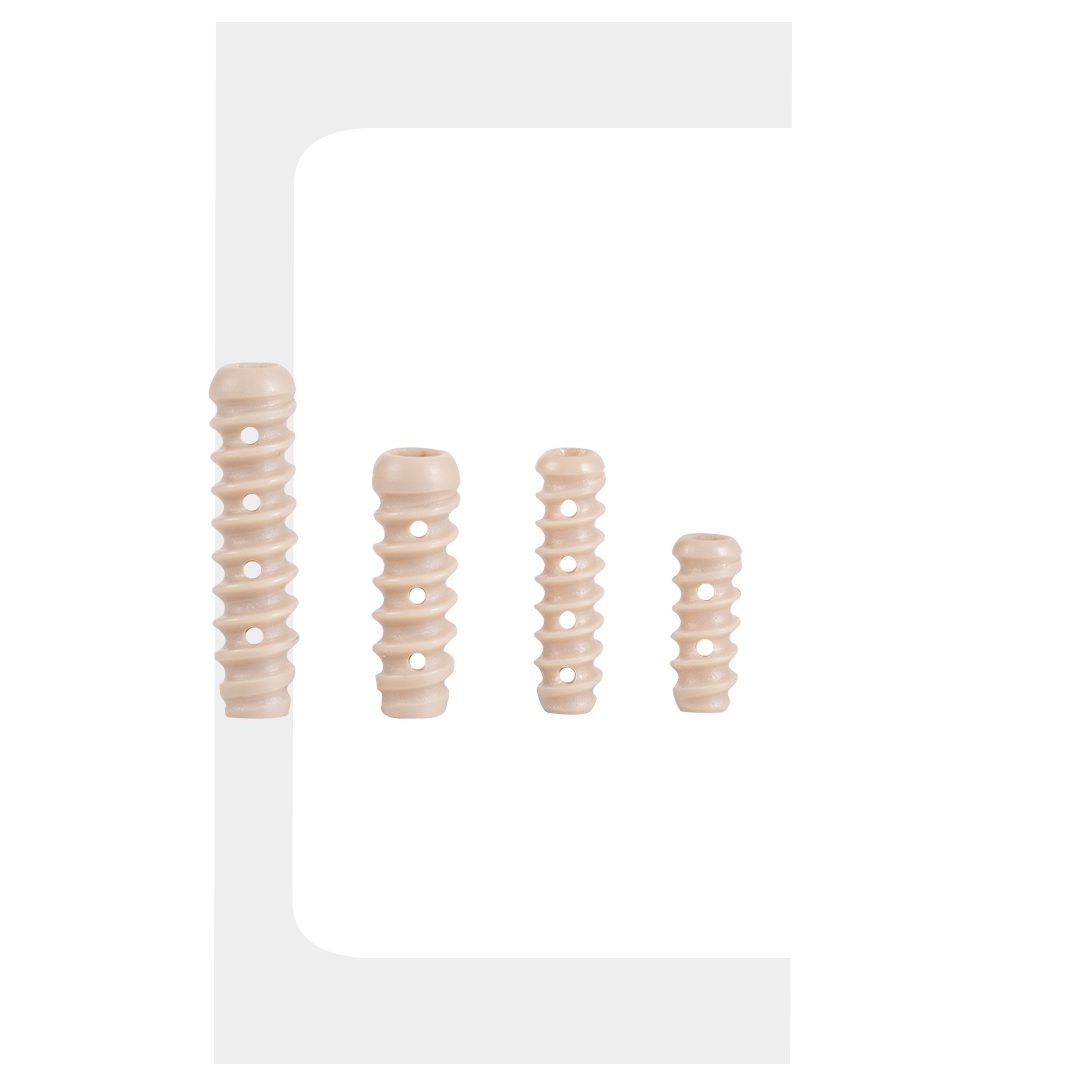
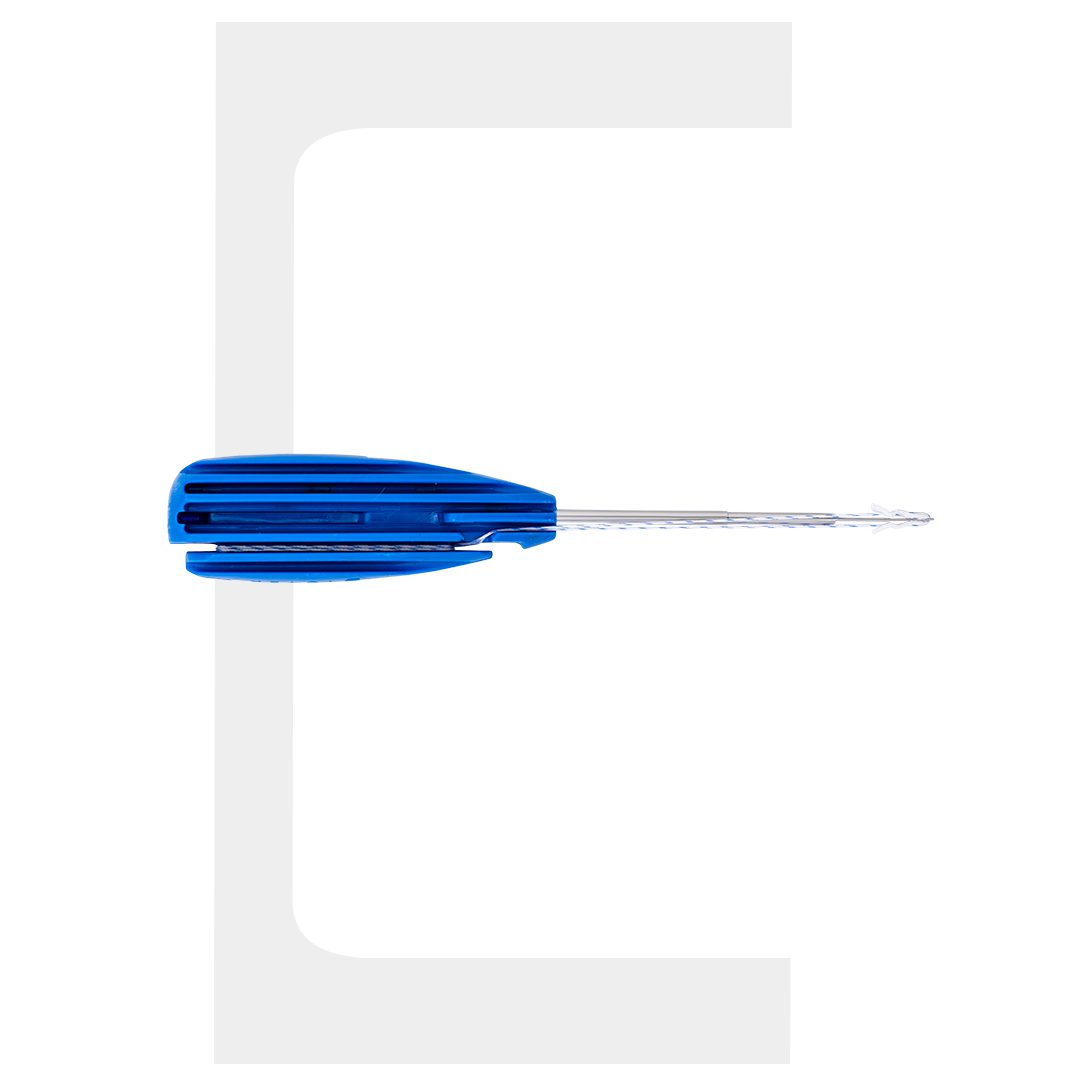
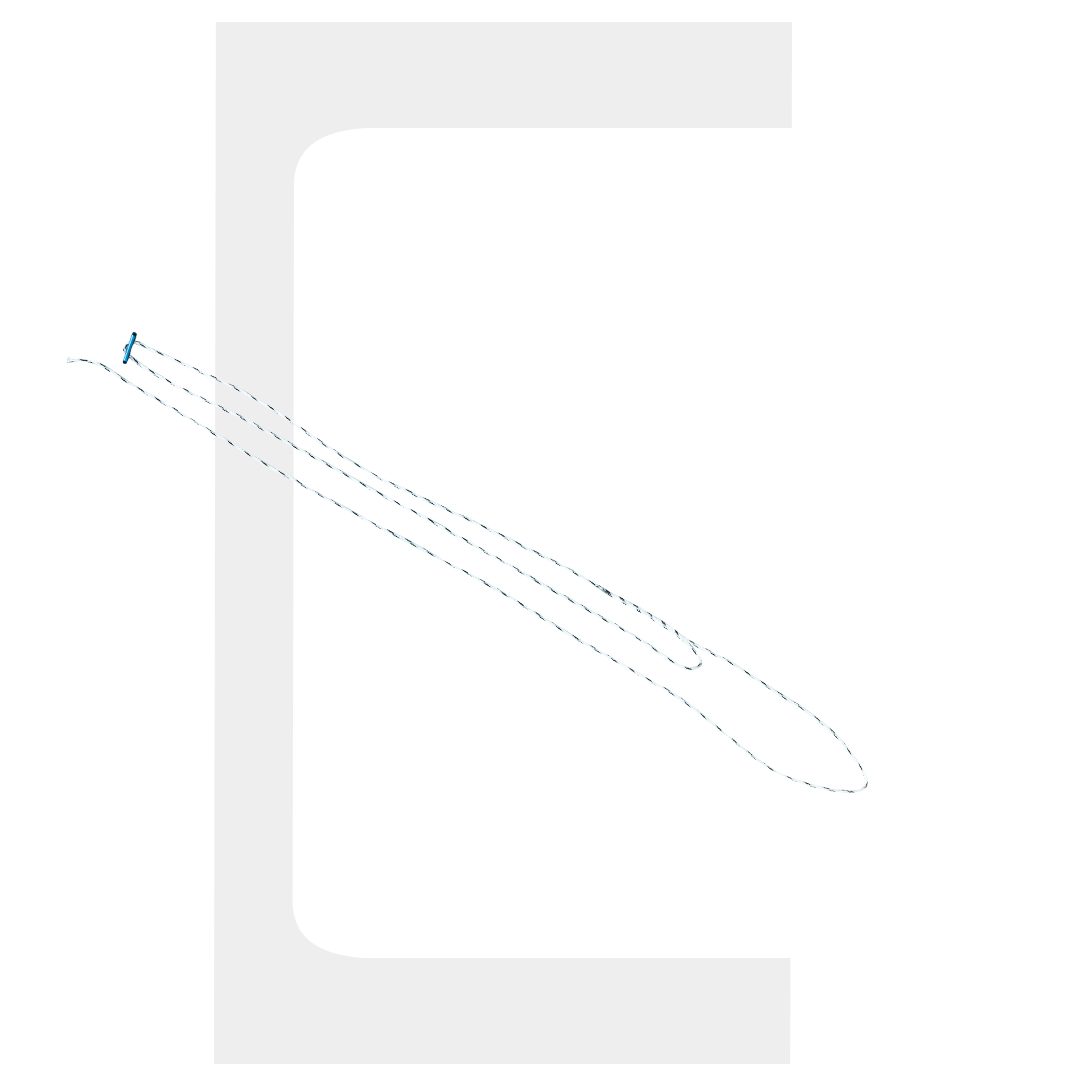
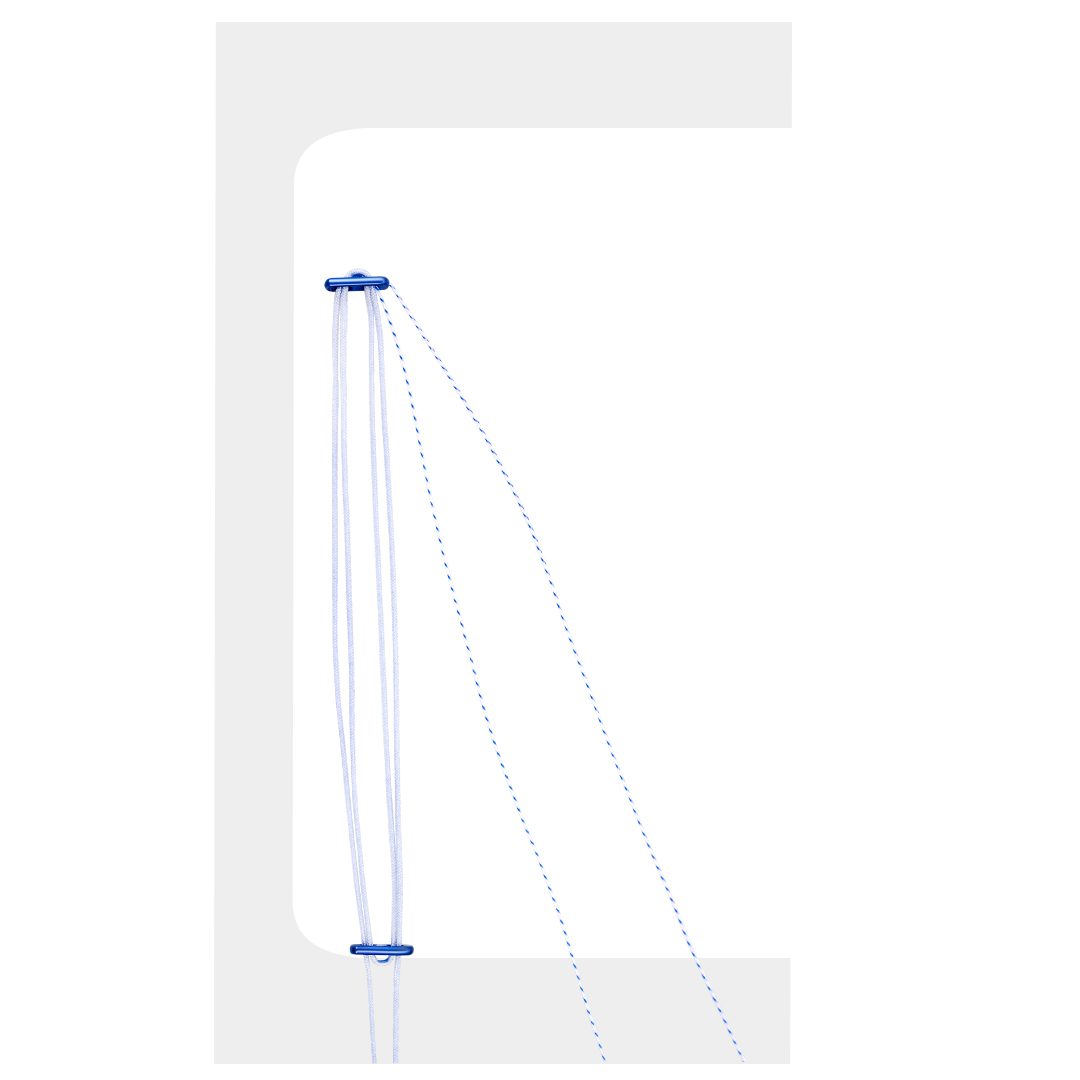
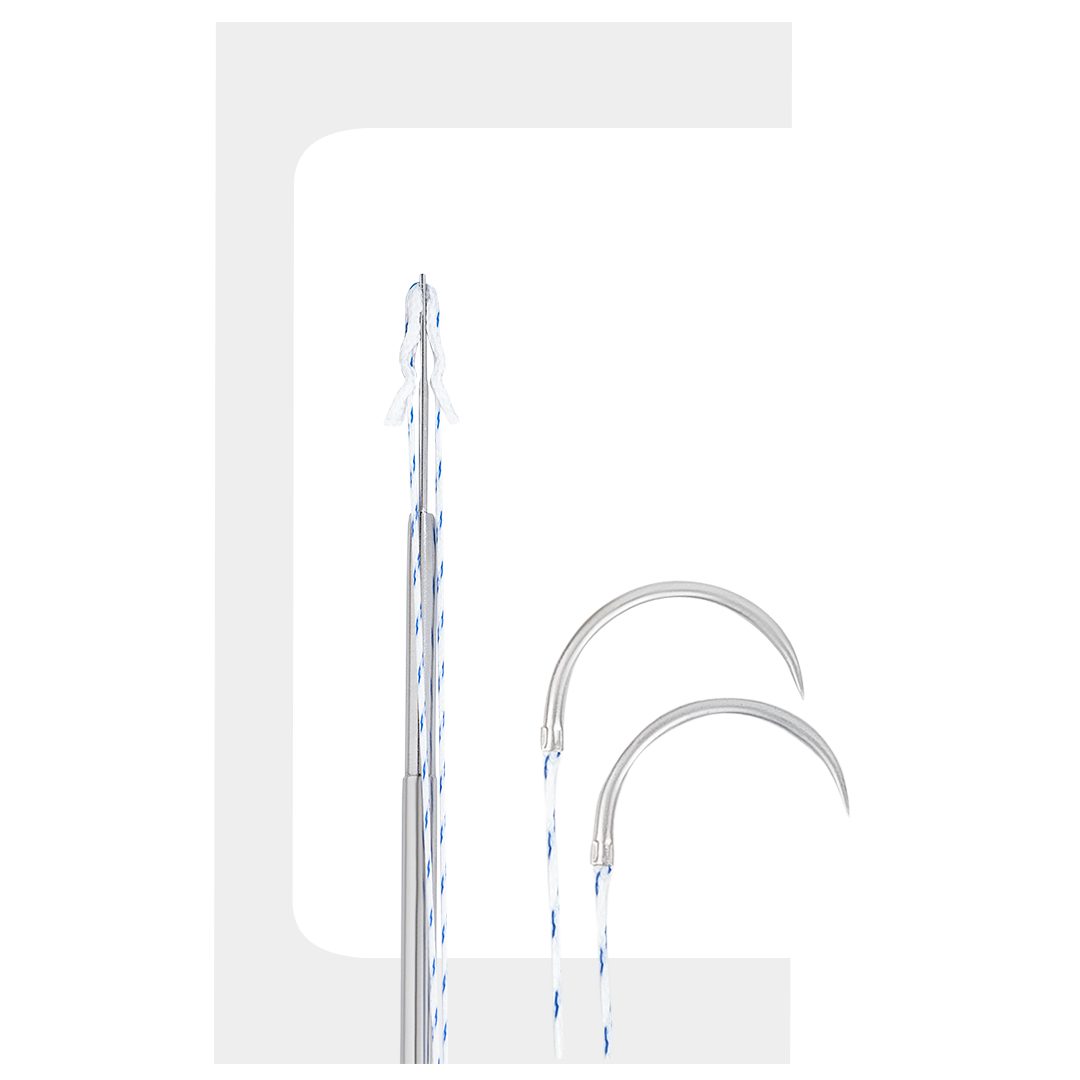
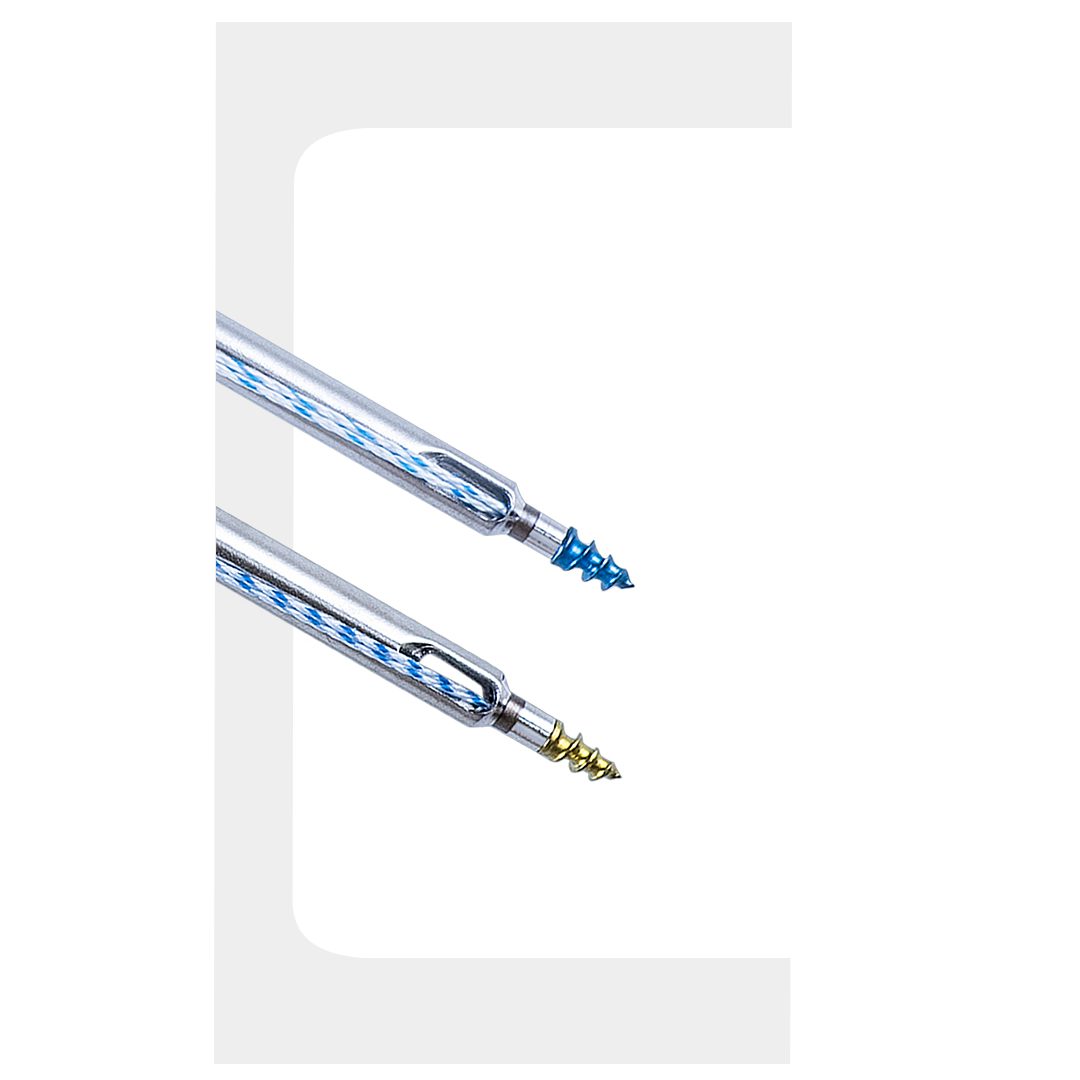
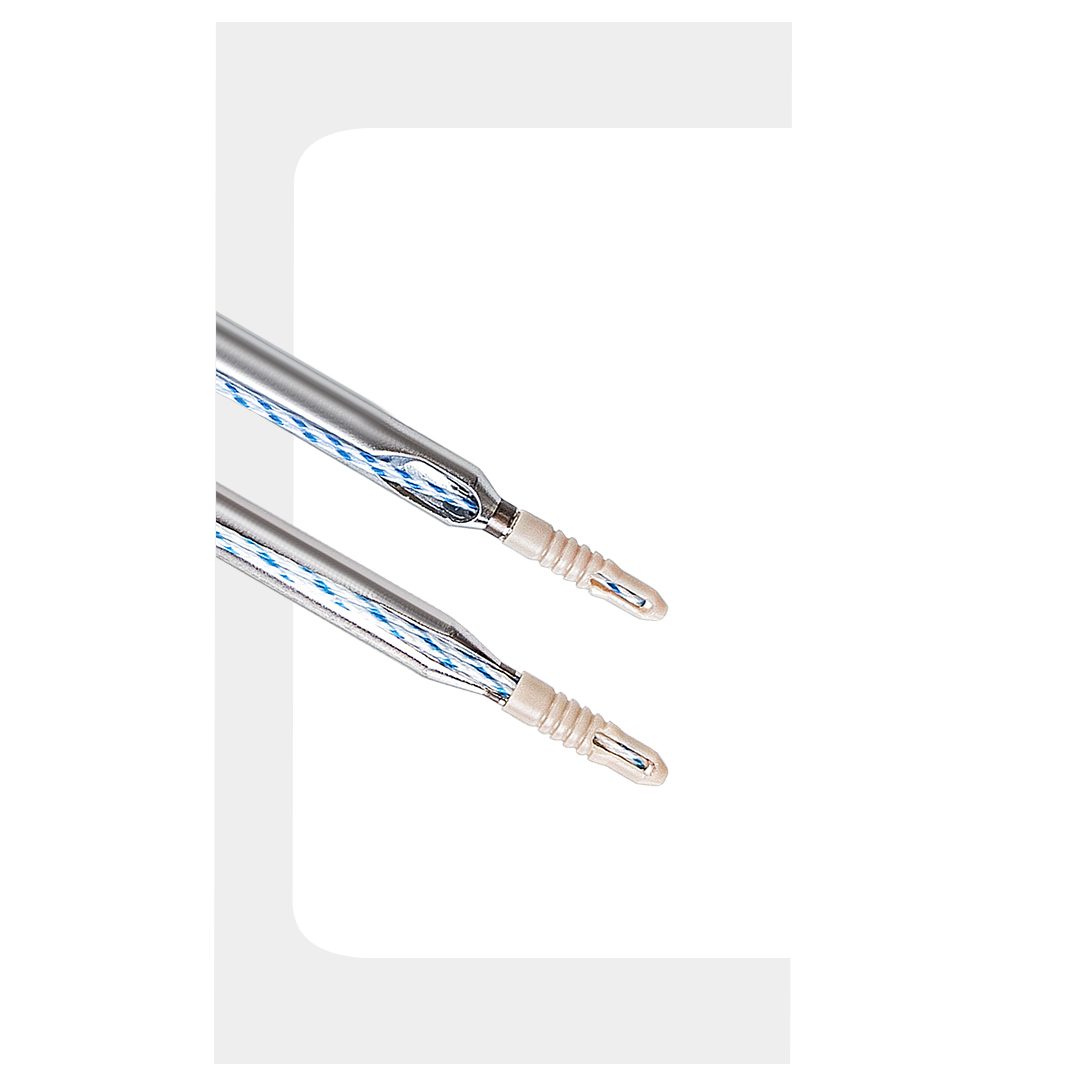
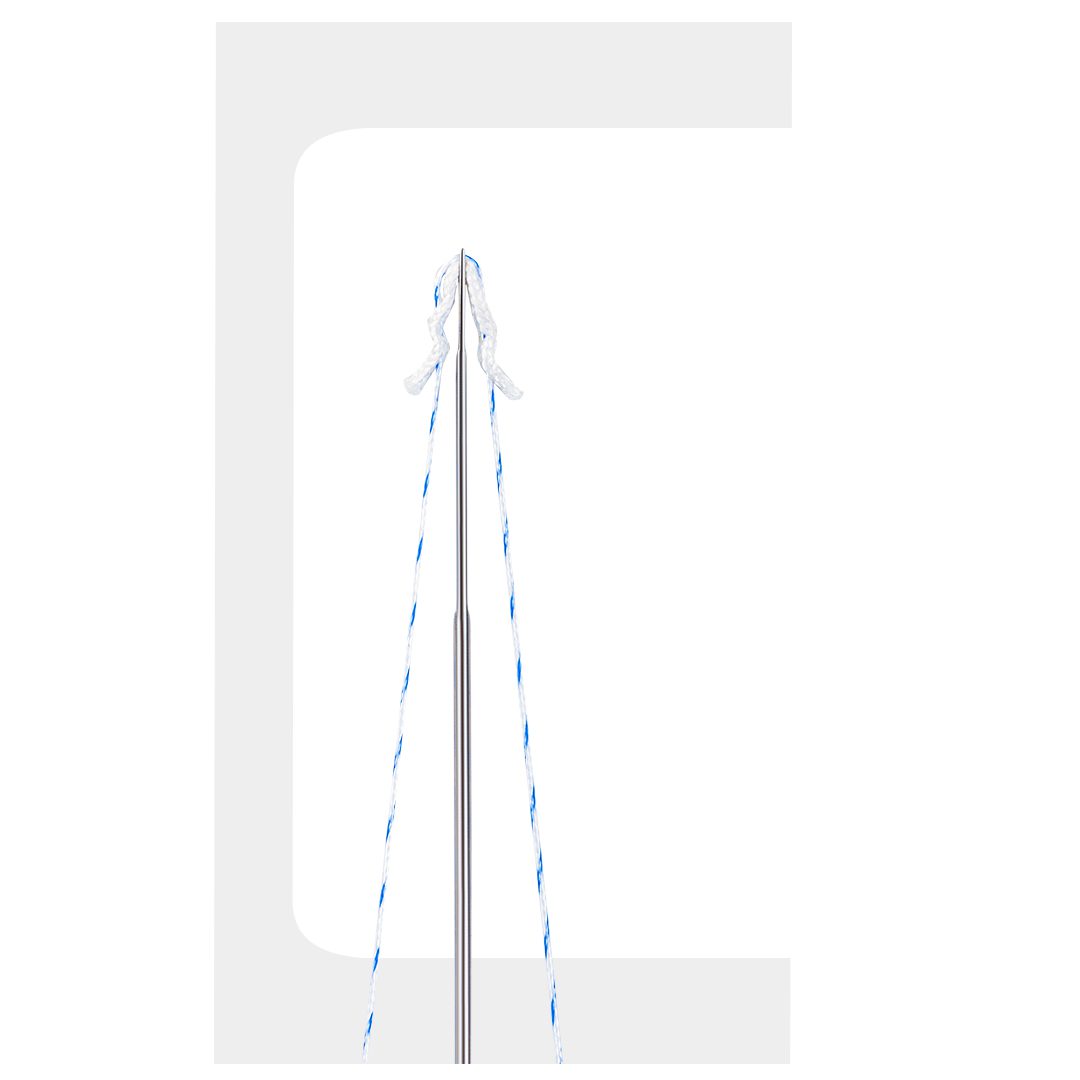
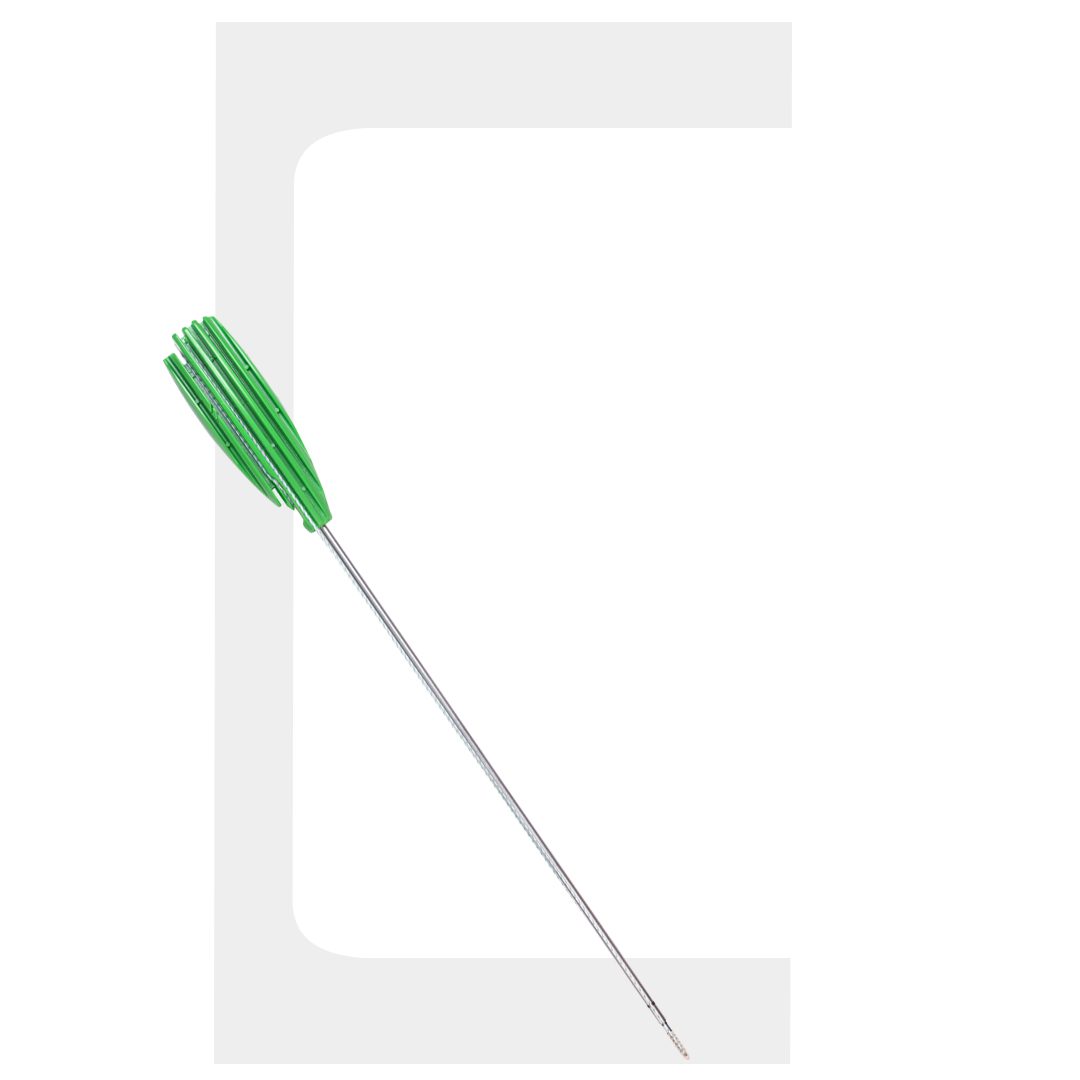
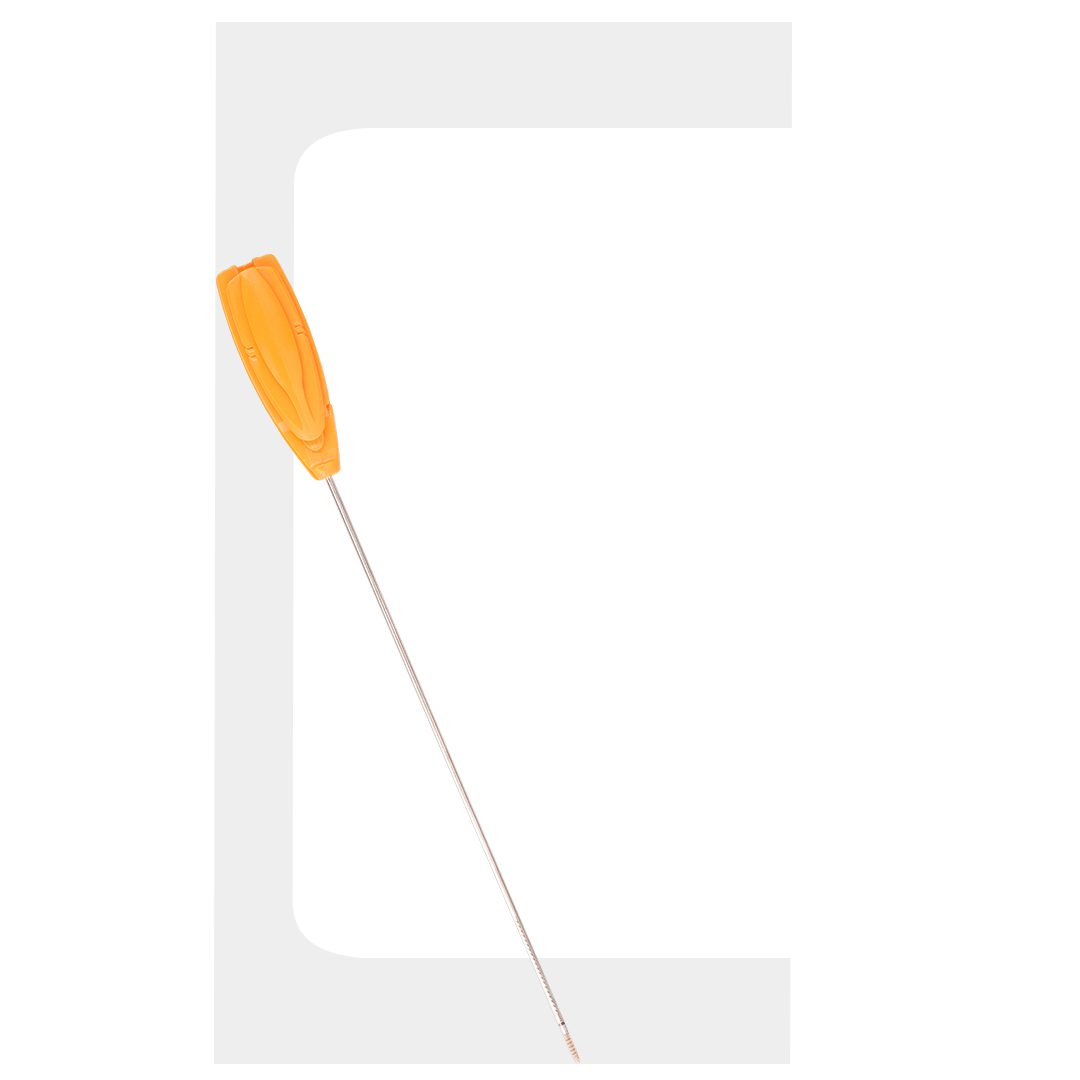
Biodegradable suture anchors for arthroscopic surgery address this directly. Made from resorbable polymers such as PLLA, PLGA, or bio-composite blends of PLLA and calcium phosphate, these devices provide strong initial fixation and then gradually resorb – typically over 12 to 36 months – leaving behind healthy, regenerated bone tissue. No hardware removal surgery. No long-term imaging artefacts. No implant-related stress on surrounding structures
Where Biodegradable Implants Are Making the Greatest Impact
- Rotator Cuff and Labral Repair
- Shoulder arthroscopy is one of the highest-volume procedures in orthopedic surgery. Bioabsorbable anchors have become the standard of care in many centres for Bankart reconstruction and rotator cuff repair, particularly in younger and athletically active patients. Sports injury repair implants with biodegradable anchors allow these patients to return to sport without permanent hardware in the glenohumeral joint, a meaningful clinical and quality-of-life advantage.
- Knee and Meniscal Procedures
- In the knee, bioabsorbable anchors are used in soft tissue stabilisation, meniscal root repair, and tibial eminence fracture fixation. The resorption profile of bio-composite devices makes them well suited to procedures where the implant’s job is temporary – provide fixation while biology does the work, then step aside.
Biodegradable vs Non-Biodegradable Implants: Key Differences
| Factor | Biodegradable | Non-Biodegradable (Metal) |
|---|---|---|
|
Material |
PLLA, PLGA, bio-composite |
Titanium, stainless steel |
|
Resorption |
Full resorption (12–36 months) |
Permanent |
|
MRI Artefact |
Minimal |
Moderate (titanium) |
|
Revision Surgery |
Straightforward |
Hardware removal may be needed |
|
Best Candidates |
Young, active patients |
High-load, revision, osteoporotic bone |
|
Regulatory Standard |
CE-approved devices available |
CE-approved devices available |
What to Demand from Your Implant Supplier?
Not all biodegradable implants are equal. Material quality, resorption kinetics, and manufacturing standards vary significantly between suppliers. Surgeons and procurement teams evaluating arthroscopy implants manufacturers should apply a clear checklist before committing to any device.
- Regulatory certification: Only consider CE-approved arthroscopy implants and instruments that meet the European Medical Device Regulation (MDR) or equivalent national standards. CE approval is a baseline requirement, not a bonus feature.
- Resorption data: Ask for documented degradation timelines from independent studies. A device that resorbs too quickly may lose fixation strength before tissue healing is complete.
- Clinical outcomes: Look for peer-reviewed two-year follow-up data reporting re-tear rates, functional outcome scores, and complication incidence – not just manufacturer-sponsored registry data.
- Supply chain reliability: Sports injury implant suppliers in India and internationally are increasingly capable of supplying CE-marked biodegradable devices at competitive price points without compromising on quality. Evaluate supplier track record, lead times, and sterilisation assurance.
Frequently Asked Questions
1. Are bioabsorbable anchors as strong as metal anchors?
2. How long do biodegradable suture anchors take to resorb?
3. What should I look for in sports injury implant suppliers in India?
4. Are sports injury repair implants with biodegradable anchors suitable for all patients?
Conclusion
The transformation biodegradable technology is driving in arthroscopic surgery is not a trend – it is a clinical evolution backed by two decades of improving evidence. The debate around biodegradable vs non-biodegradable implants is becoming less about whether biodegradable options work and more about which device, from which manufacturer, with what resorption profile, is right for each specific patient and procedure.
For surgeons, the priority is evidence-based selection from arthroscopy implants manufacturers with documented regulatory approval and independent clinical data. For procurement teams, it means partnering with sports injury implant suppliers in India and globally who can deliver CE-approved arthroscopy implants and instruments consistently and reliably. When those standards are met, biodegradable suture anchors for arthroscopic surgery offer patients something permanent hardware never could: a joint with no long-term trace of the repair that saved it.