Biodegradable Suture Anchors vs Metal Anchors: Which Is Better?
When it comes to soft tissue fixation in arthroscopic surgery, one debate continues to shape purchasing decisions in operating rooms worldwide: biodegradable vs non-biodegradable implants. Both anchor types have distinct mechanical and biological profiles, and neither is universally superior. The right choice depends on the patient, the procedure, and the clinical evidence behind the device.
Understanding the Two Anchor Types
- Metal Suture Anchors
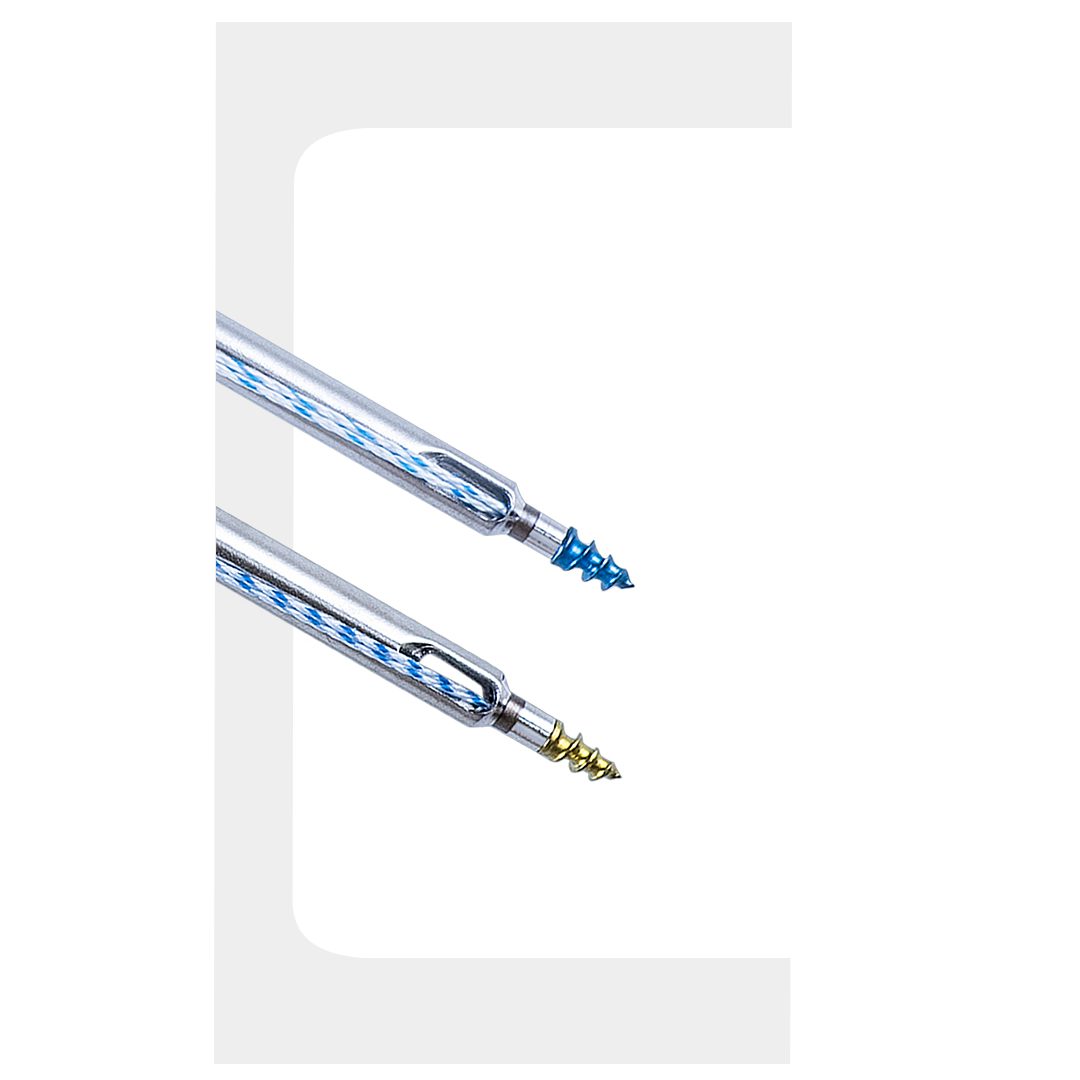
- Titanium and stainless steel anchors have decades of clinical history behind them. They offer predictable, consistent pullout strength and do not degrade over time. Their permanent presence in bone is well tolerated in most patients, and MRI compatibility has improved significantly with modern titanium alloys. However, metal anchors can complicate revision surgery, cause artefacts on post-operative imaging, and raise concerns in younger or more active patients where long-term implant burden is a consideration.
- Biodegradable Suture Anchors
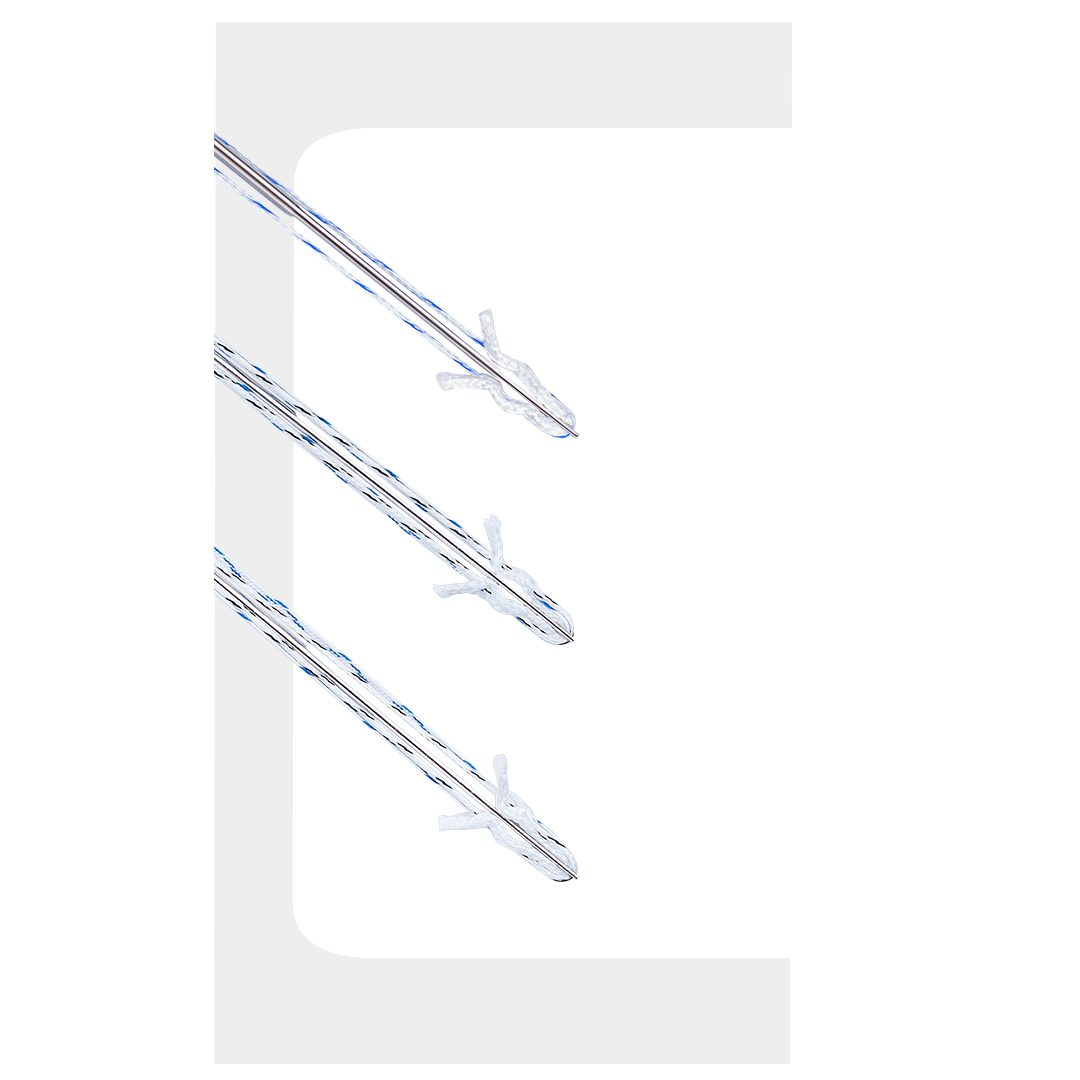
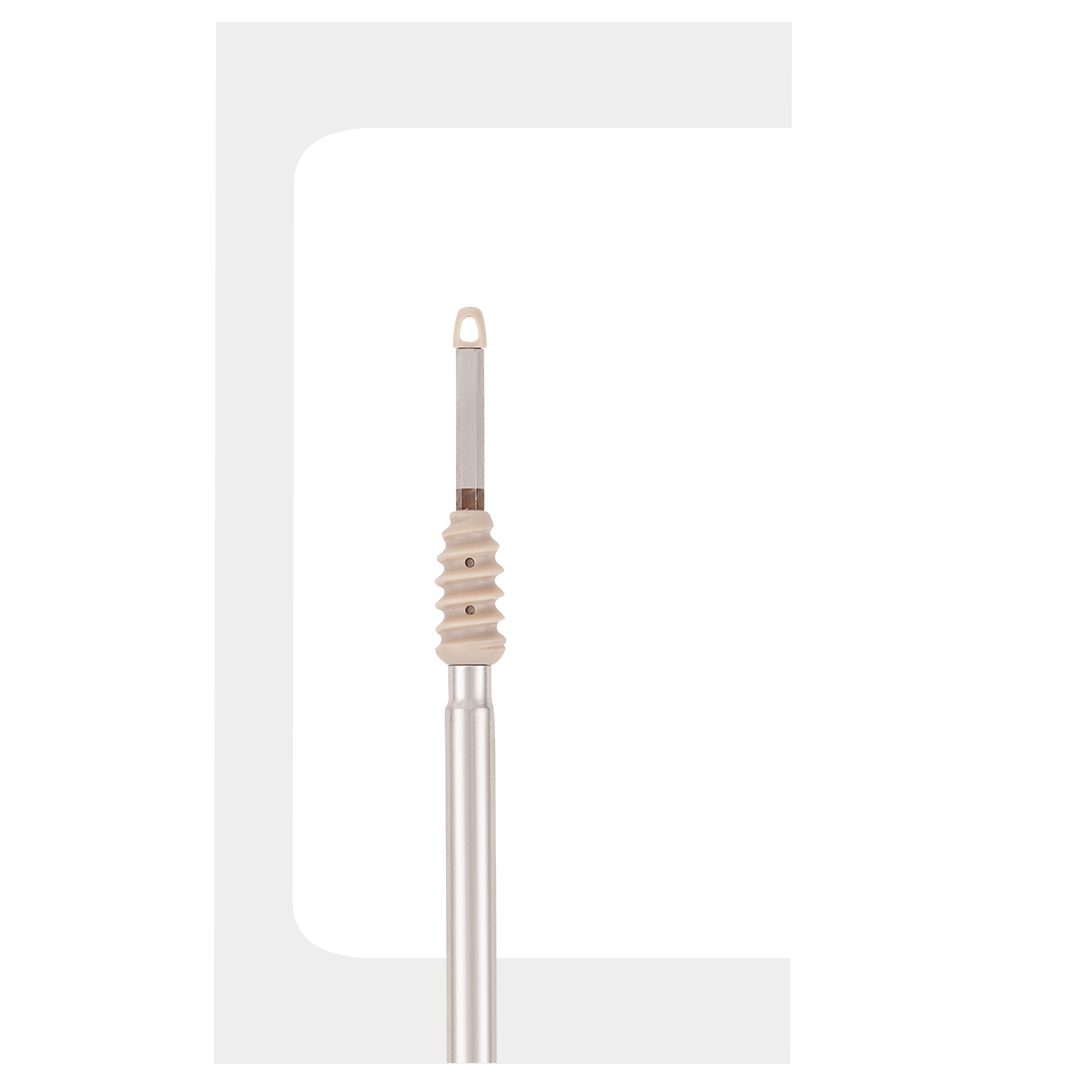
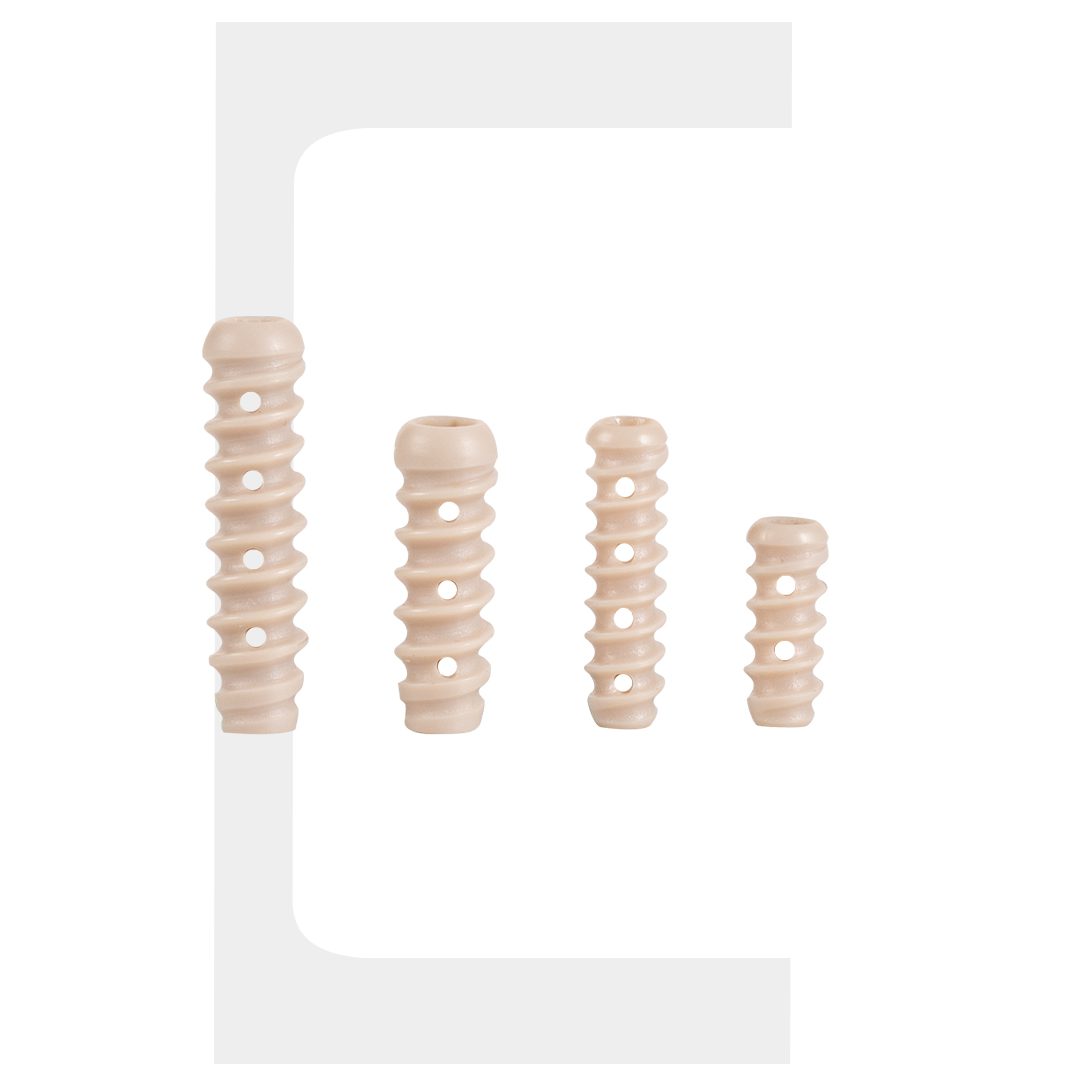
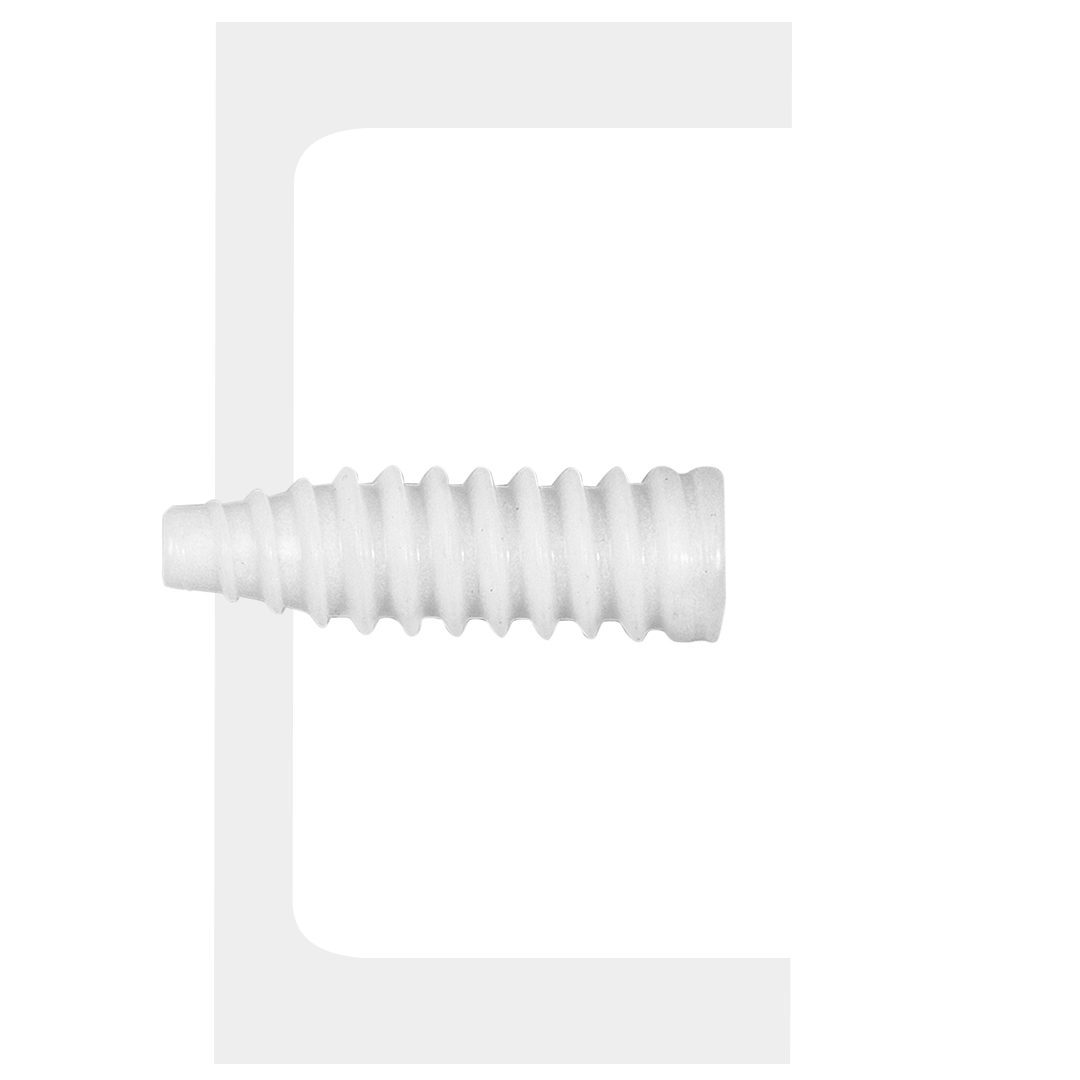
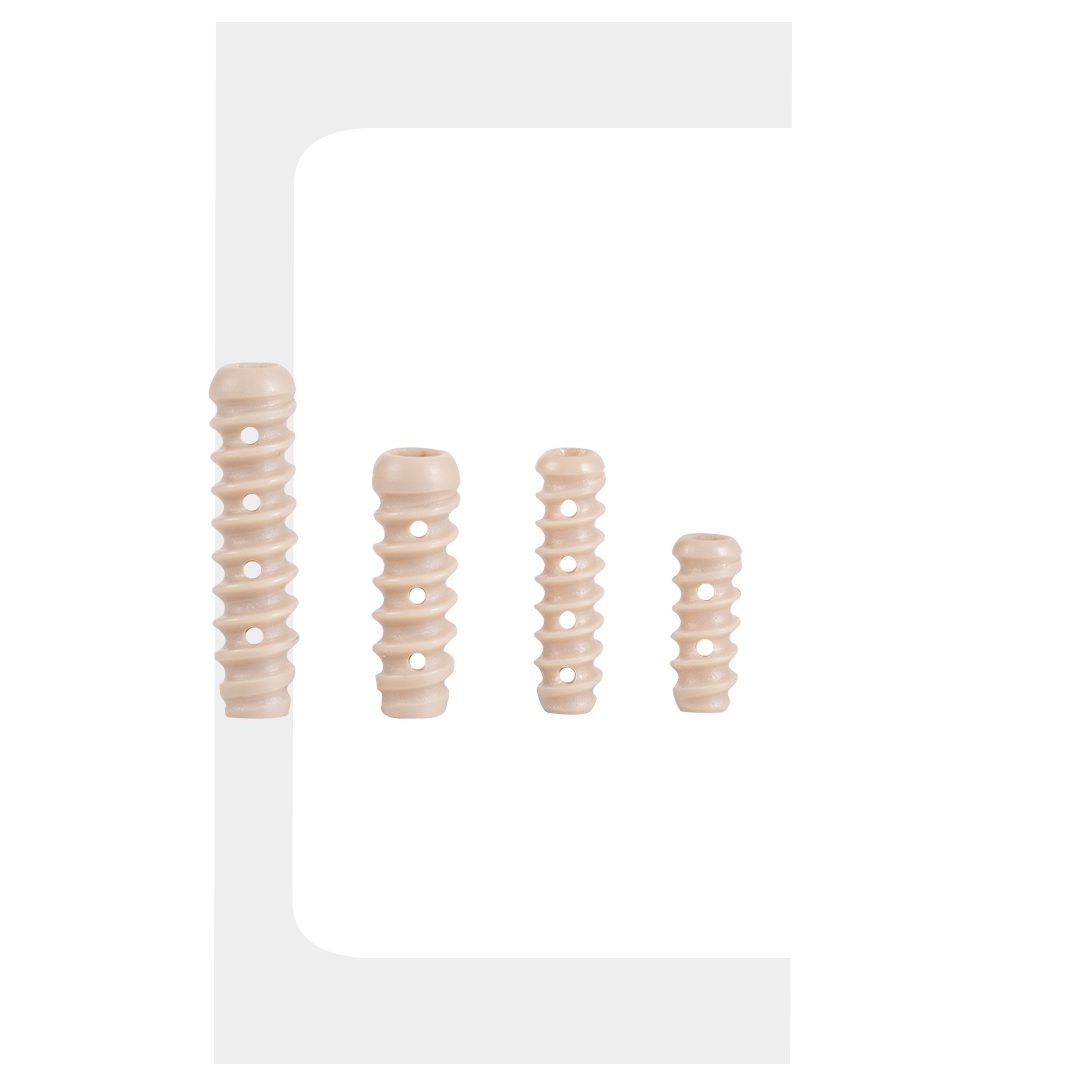
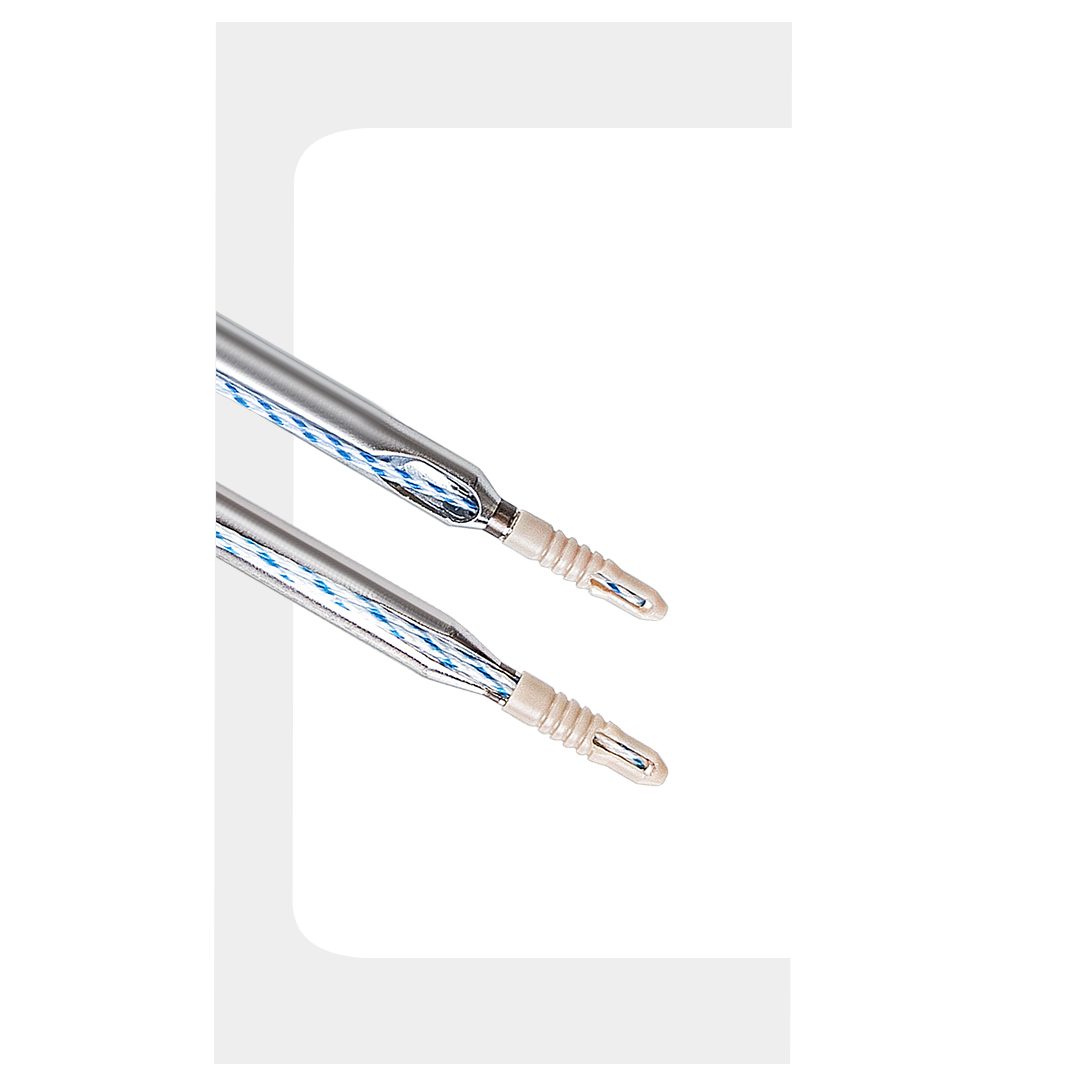
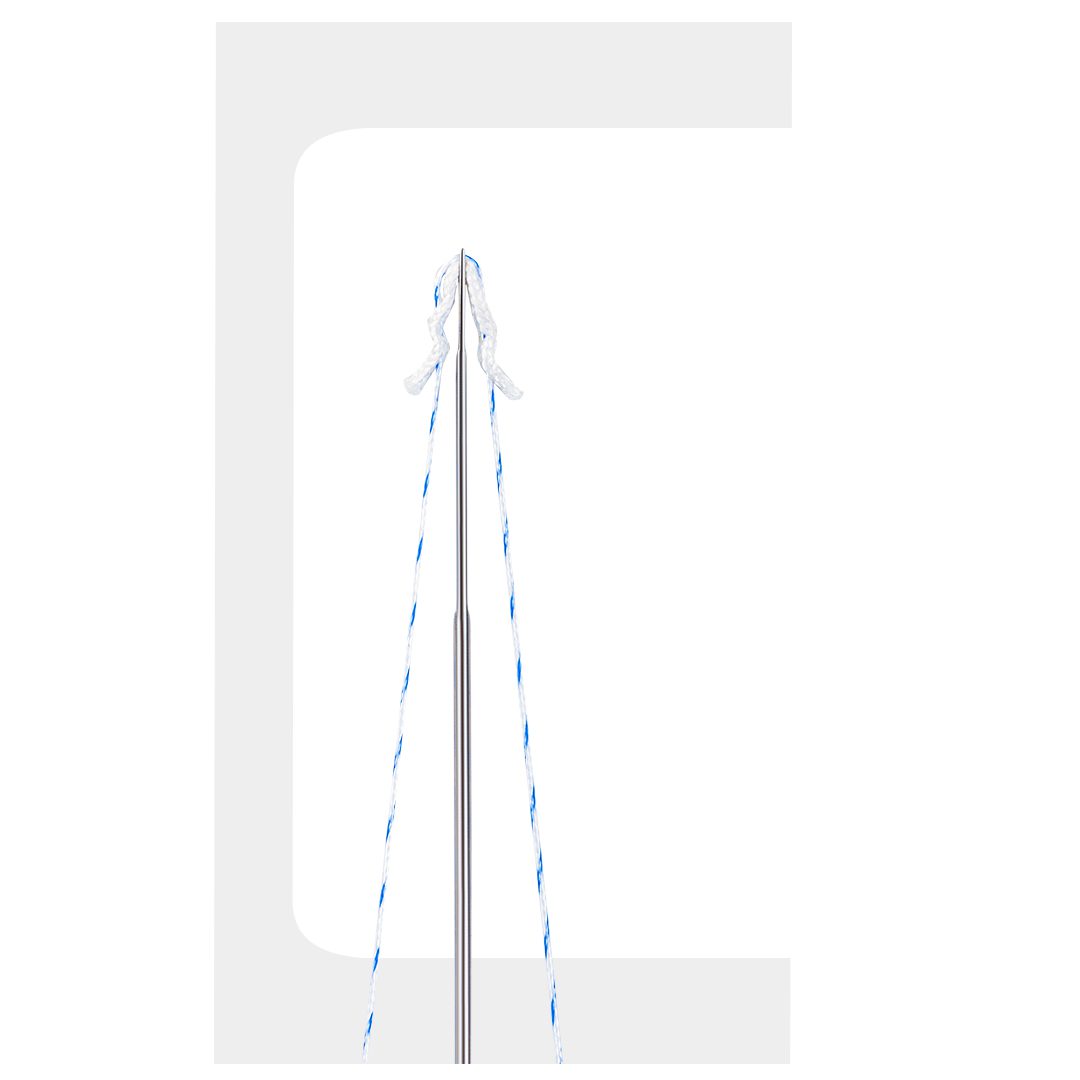
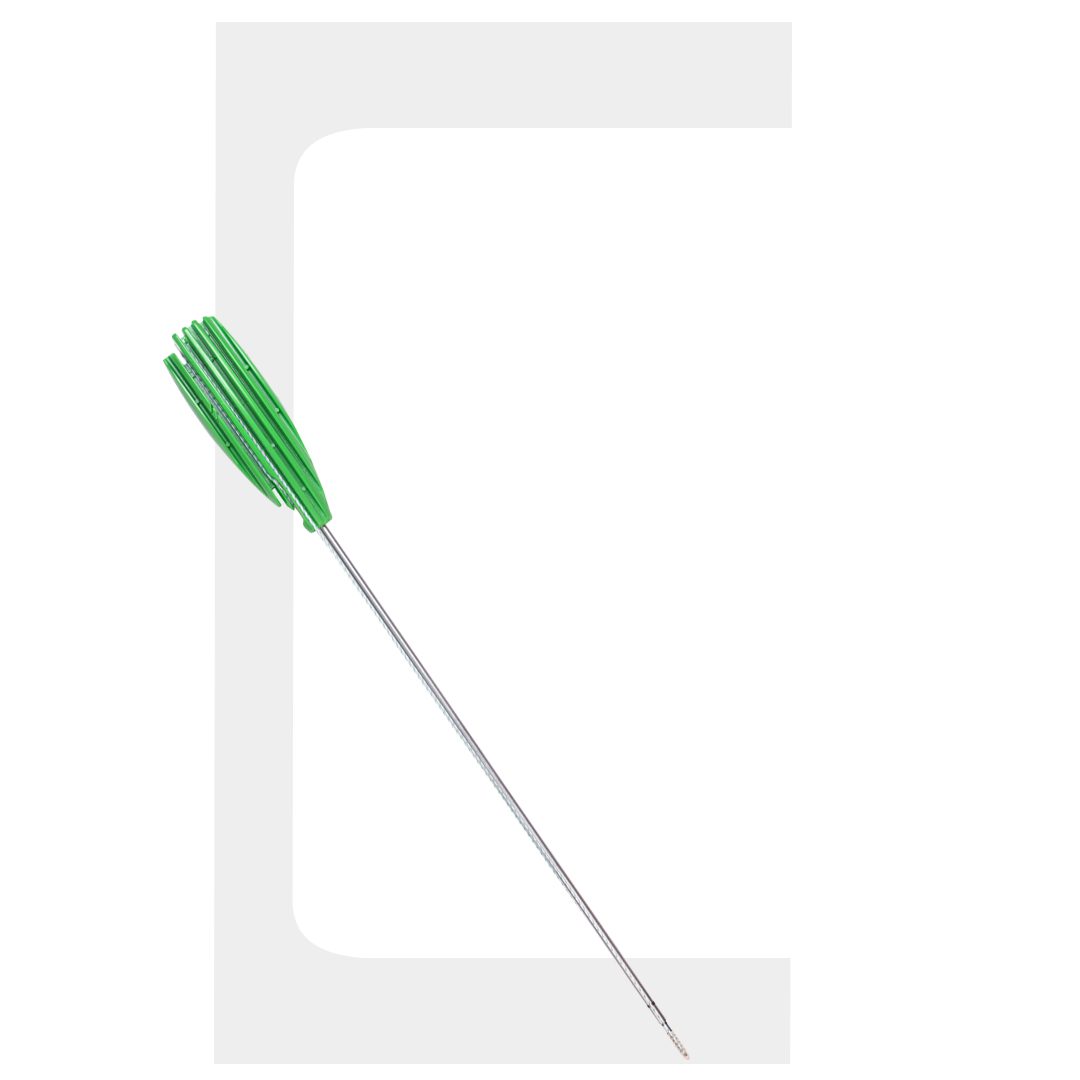
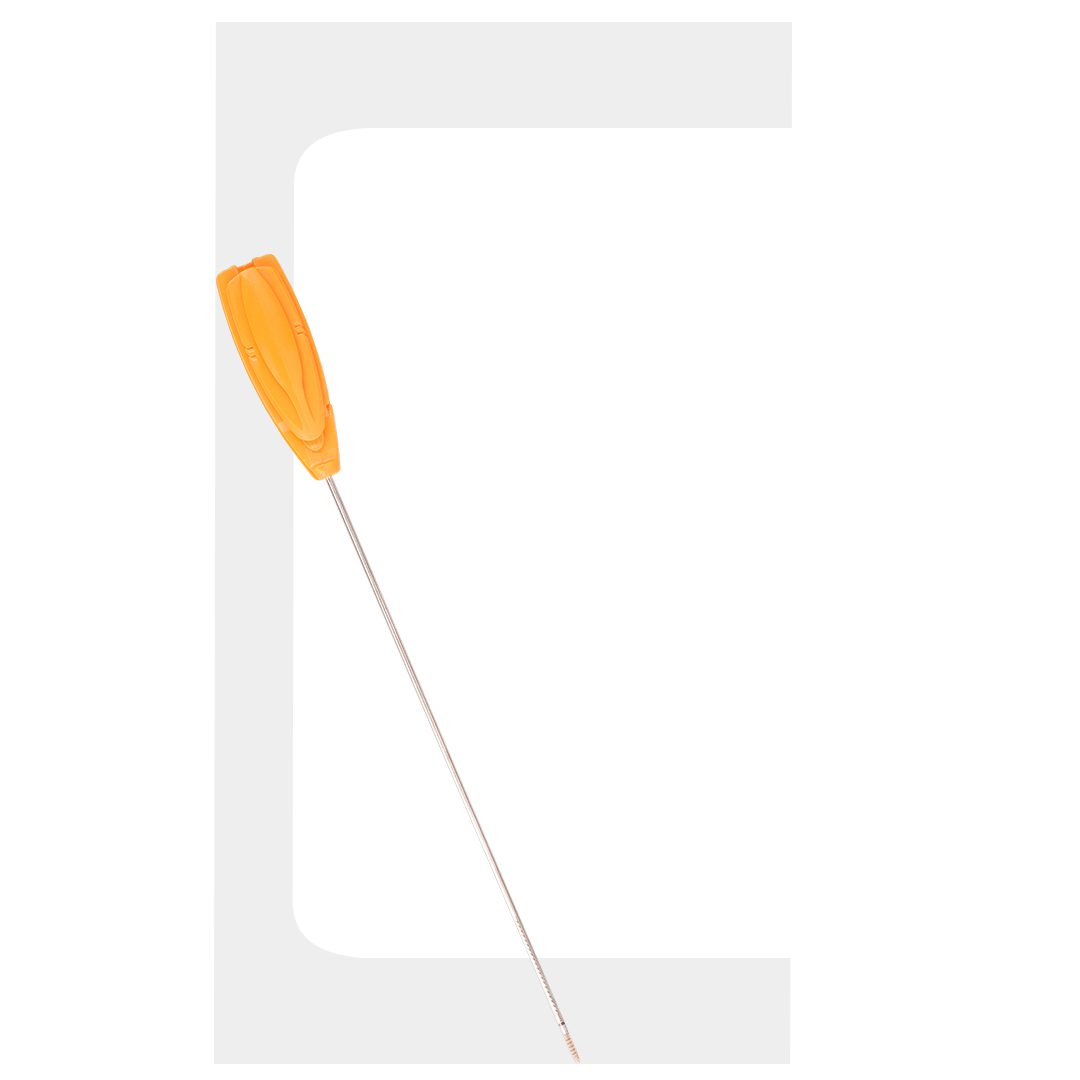
- Biodegradable suture anchors used in arthroscopic surgery are made from resorbable polymers – most commonly PLLA, PLGA, or bio-composite blends incorporating calcium phosphate. These bioabsorbable anchors dissolve gradually over 12 to 36 months, leaving behind native bone without a permanent foreign body. This makes them particularly suitable for rotator cuff repair, Bankart reconstruction, and sports injury repair implants with biodegradable anchors, where long-term implant-free tissue healing is the goal.
Head-to-Head Comparison
| Factor | Metal Anchors | Biodegradable Anchors |
|---|---|---|
|
Initial Fixation Strength |
Very High |
High (comparable in modern designs) |
|
Long-Term Implant Burden |
Permanent |
None – fully resorbed |
|
Revision Surgery |
Can be challenging |
Easier – no hardware to remove |
|
MRI Artefact |
Moderate (titanium) |
Minimal |
|
Bone Response |
Osseointegration |
Gradual replacement by host bone |
|
Best For |
High-load, older patients |
Active patients, younger athletes |
When Biodegradable Anchors Have the Edge
For younger, athletically active patients – the core demographic in sports medicine – bioabsorbable anchors offer a meaningful clinical advantage. As the implant resorbs, the bone gradually reclaims the anchor site, reducing stress shielding and eliminating the need for hardware removal in symptomatic cases. Sports injury implant suppliers in India and globally have responded to this demand with an expanding portfolio of bio-composite devices that match metal pullout strength while delivering the long-term benefits of full resorption.
Bio-composite anchors – which combines PLLA with osteoconductive calcium phosphate – represent the current state of the art in this category. They resorb more slowly and predictably than pure polymer devices, and their osteoconductive properties actively encourage bone ingrowth at the anchor site.
When Metal Anchors Remain the Better Choice
Metal anchors retain a clear advantage in high-demand fixation scenarios – massive rotator cuff tears, osteoporotic bone, or revision cases where pullout resistance is the primary concern. They are also preferred when the operating surgeon has limited experience with the deployment technique for bioabsorbable systems, as implant insertion error rates are lower with the more forgiving metal constructs.
Surgeons working with CE-approved arthroscopy implants and instruments should evaluate both categories within their regulatory framework, ensuring any device selected meets the applicable quality and safety standards for their market.
What to Look for When Choosing an Anchor System
- Regulatory approval: Always select devices from arthroscopy implants manufacturers with documented CE marking or equivalent regulatory clearance for your region.
- Resorption profile: For bioabsorbable anchors, confirm the material’s degradation timeline relative to tissue healing requirements.
- Pullout strength data: Verify biomechanical testing results from independent sources, not manufacturer data alone.
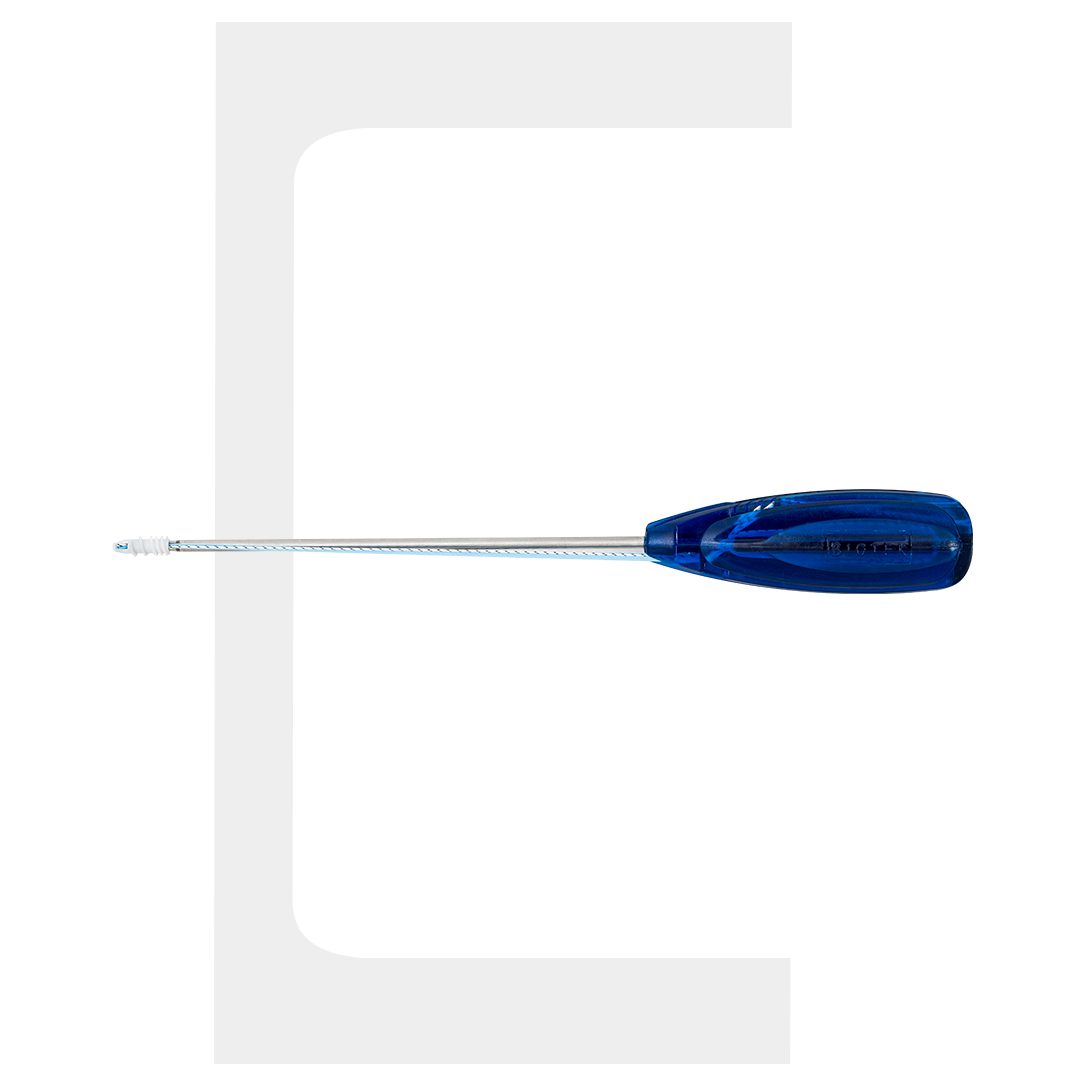
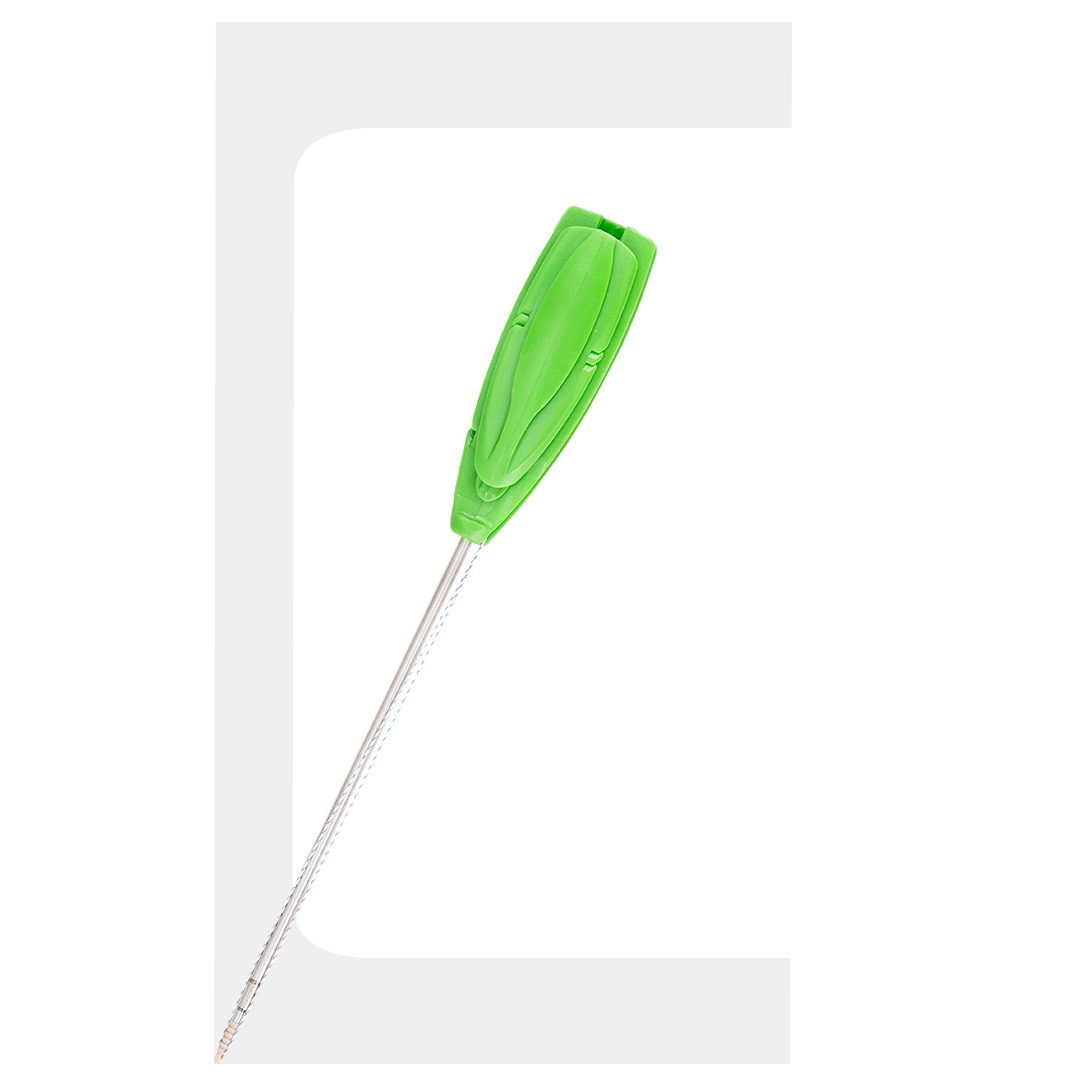
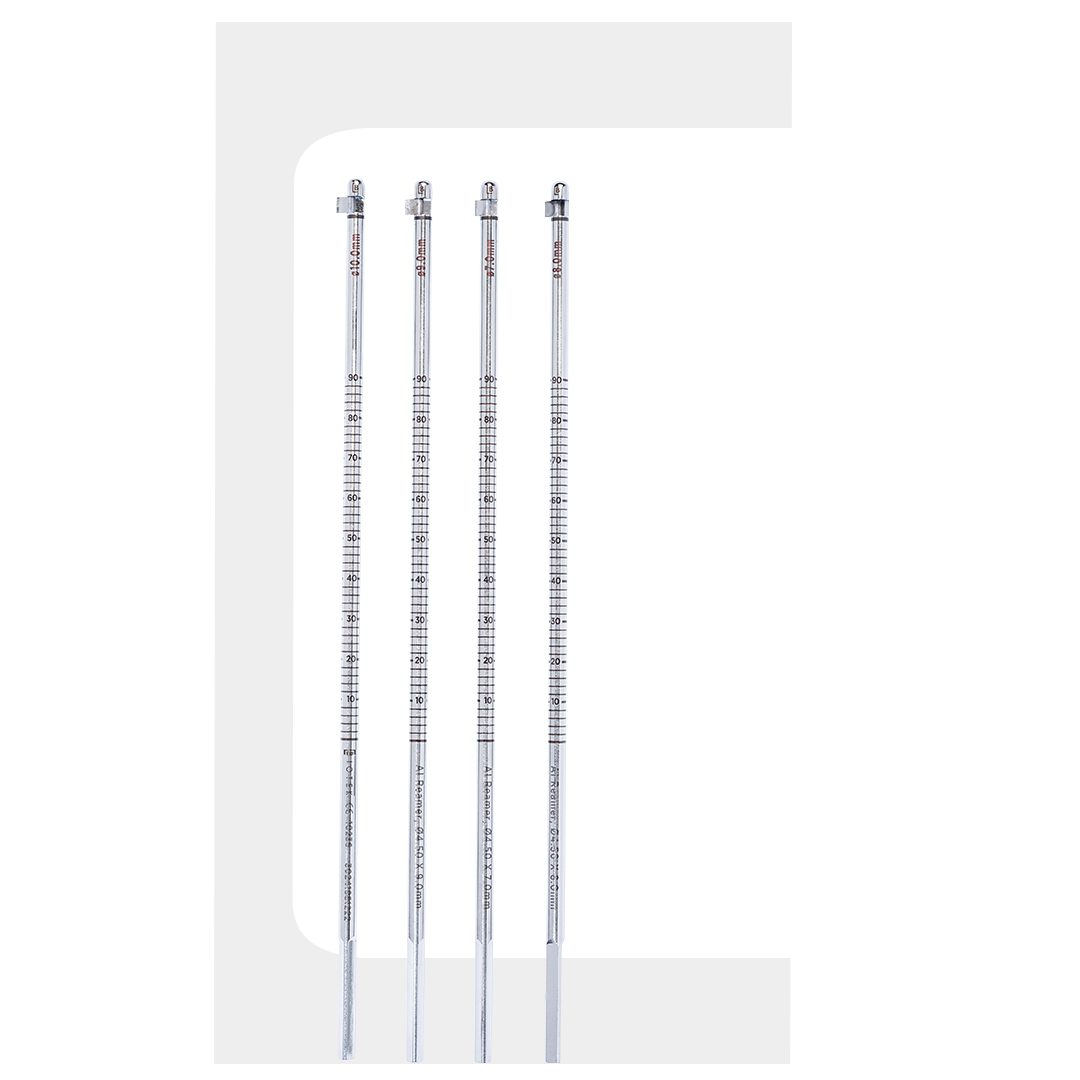
- Instrument compatibility: Ensure the anchor and its inserter integrate seamlessly with the instruments used for knee arthroscopy or shoulder arthroscopy already in your setup.
- Clinical outcomes: Look for peer-reviewed studies with minimum two-year follow-up reporting failure rates and functional scores.
Frequently Asked Questions
1. Are biodegradable suture anchors as strong as metal anchors?
2. What are the risks of biodegradable suture anchors?
3. Do CE-approved arthroscopy implants and instruments matter?
4. Which anchor type is better for sports injury repair?
Conclusion
The biodegradable vs non-biodegradable implants debate does not have a single winner. Metal anchors continue to offer unmatched consistency and fixation strength in specific high-demand or revision scenarios. Bioabsorbable anchors – particularly modern bio-composite designs – provide the benefit of full resorption, reduced long-term implant burden, and easier revision access, making them the preferred choice for most sports medicine and younger patient populations.
Surgeons should evaluate anchor systems based on the patient’s biology, the repair construct’s load requirements, and the credibility of the manufacturer’s clinical evidence. Whether you are sourcing from sports injury implant suppliers in India or international arthroscopy implants manufacturers, prioritise CE-approved arthroscopy implants and instruments with independent outcome data and a clear resorption profile. That is the standard every reliable implant should meet.