How to Choose the Right Meniscus Repair Implant System
This guide on meniscus repair provides clear information to help surgeons, patients, and healthcare professionals evaluate and choose the appropriate meniscal repair system.
Why Meniscus Repair Matters
The meniscus acts as the knee’s shock absorber. When it tears, the consequences can range from pain and swelling to early-onset osteoarthritis. While meniscectomy (removal) was once the default treatment, research now strongly supports repair over resection whenever possible. Choosing the right meniscus repair implants is therefore one of the most important decisions in meniscal surgery.
Understanding Meniscal Repair Systems
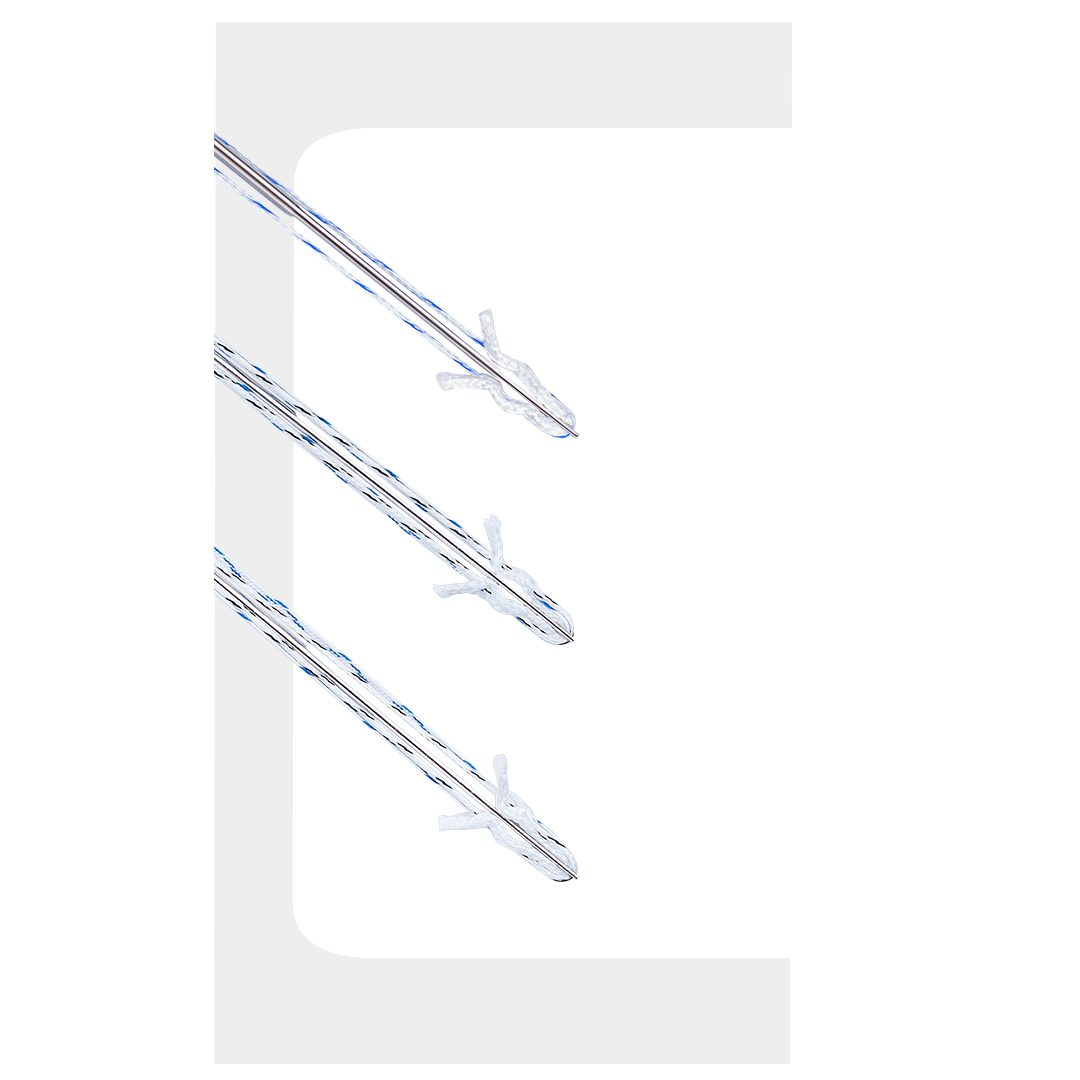
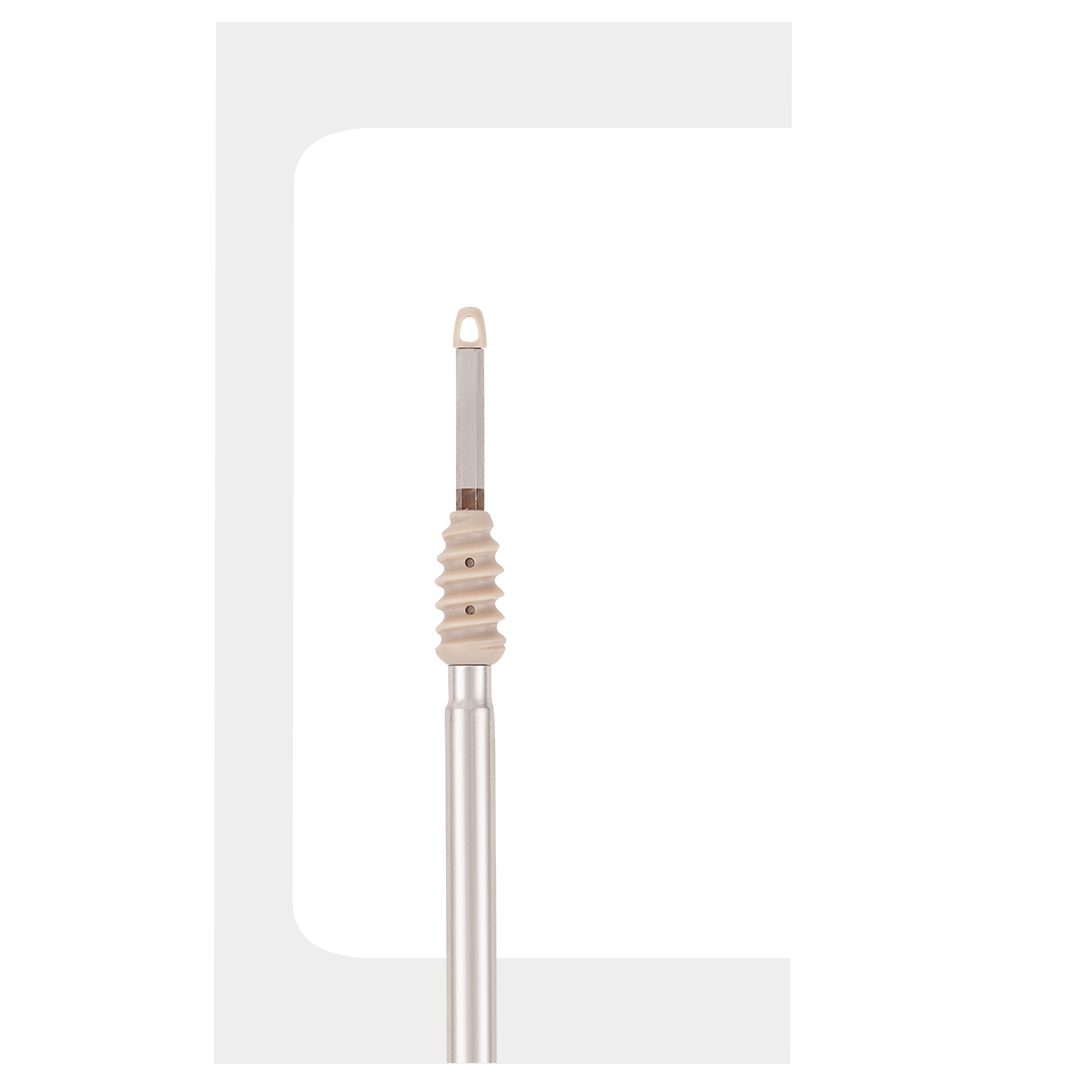
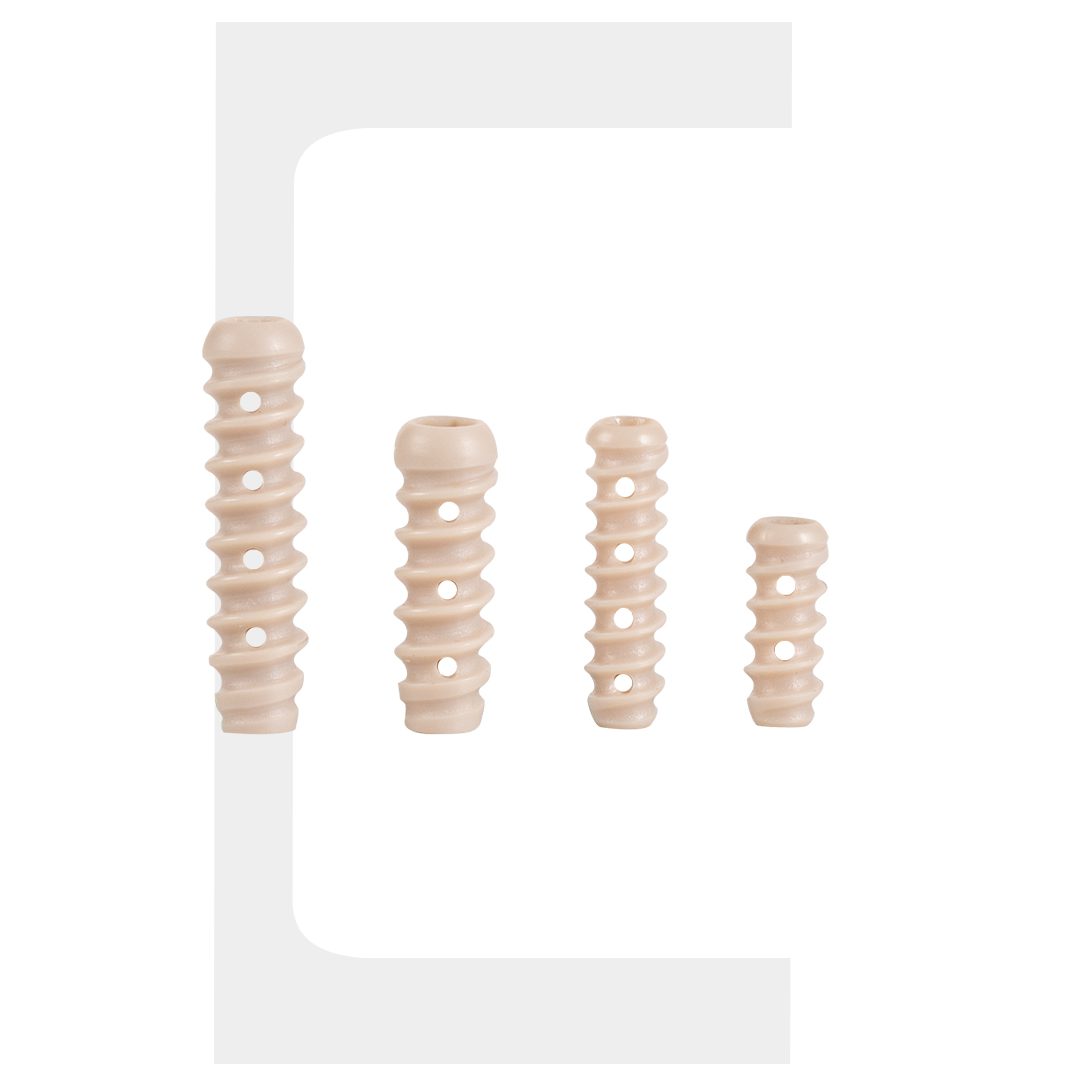
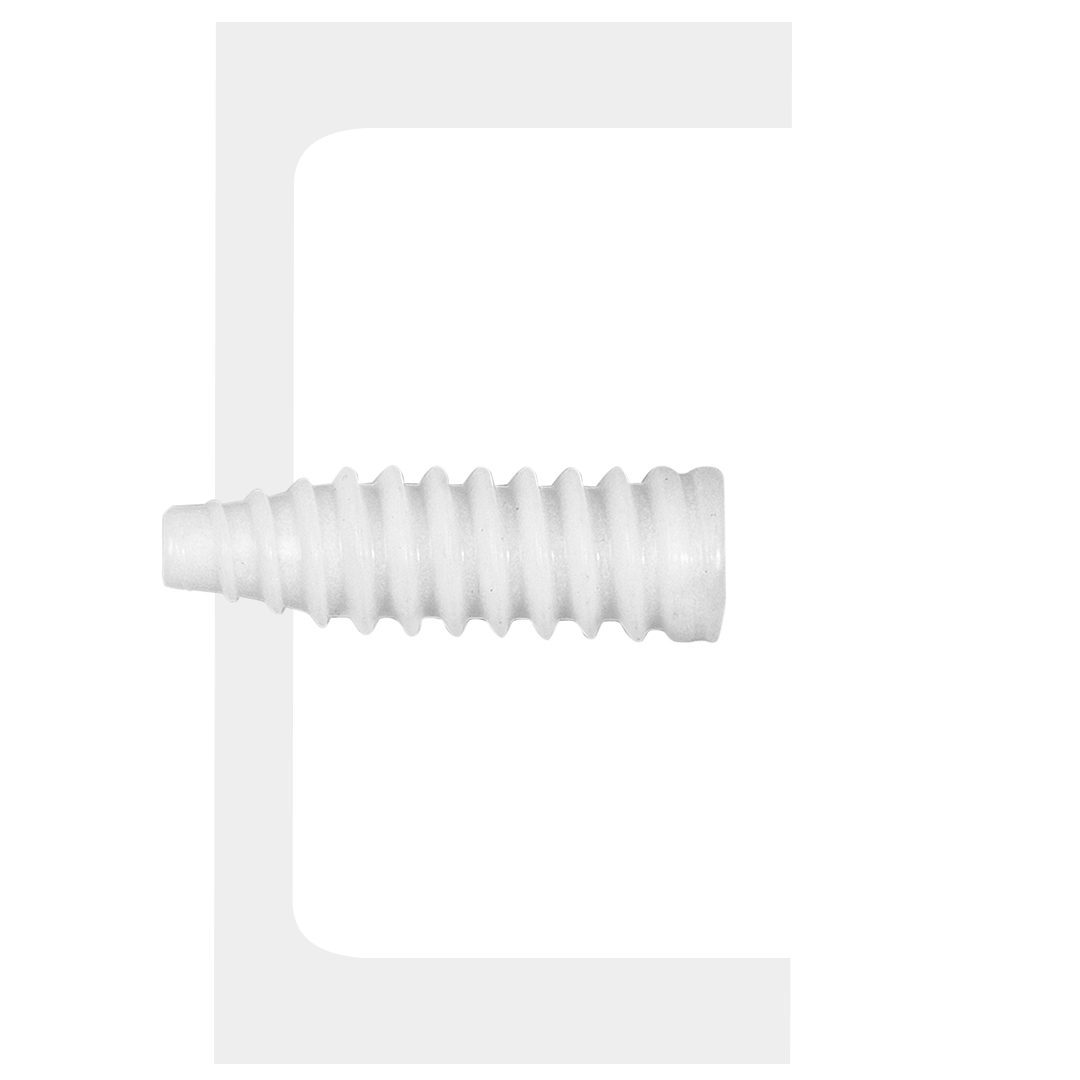
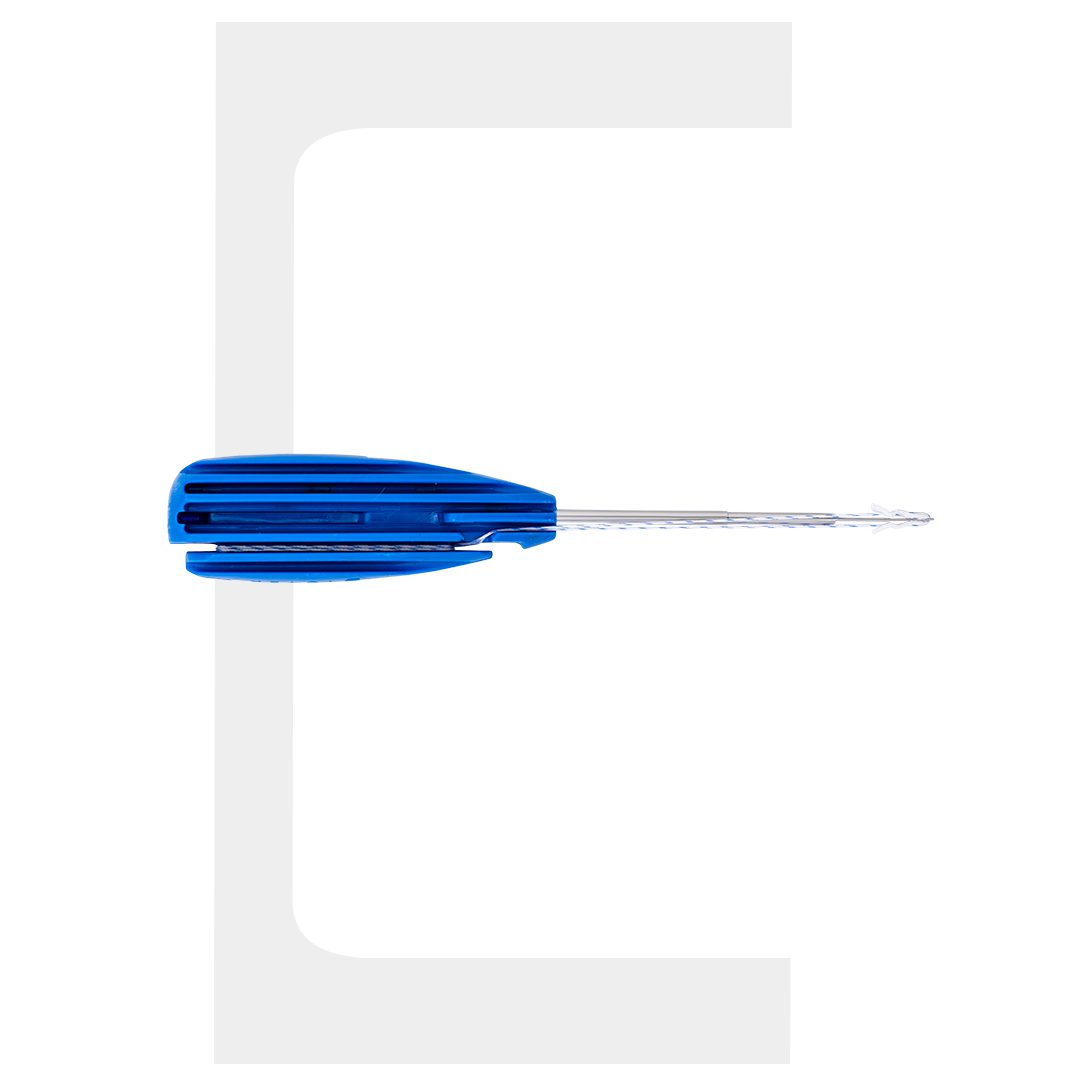
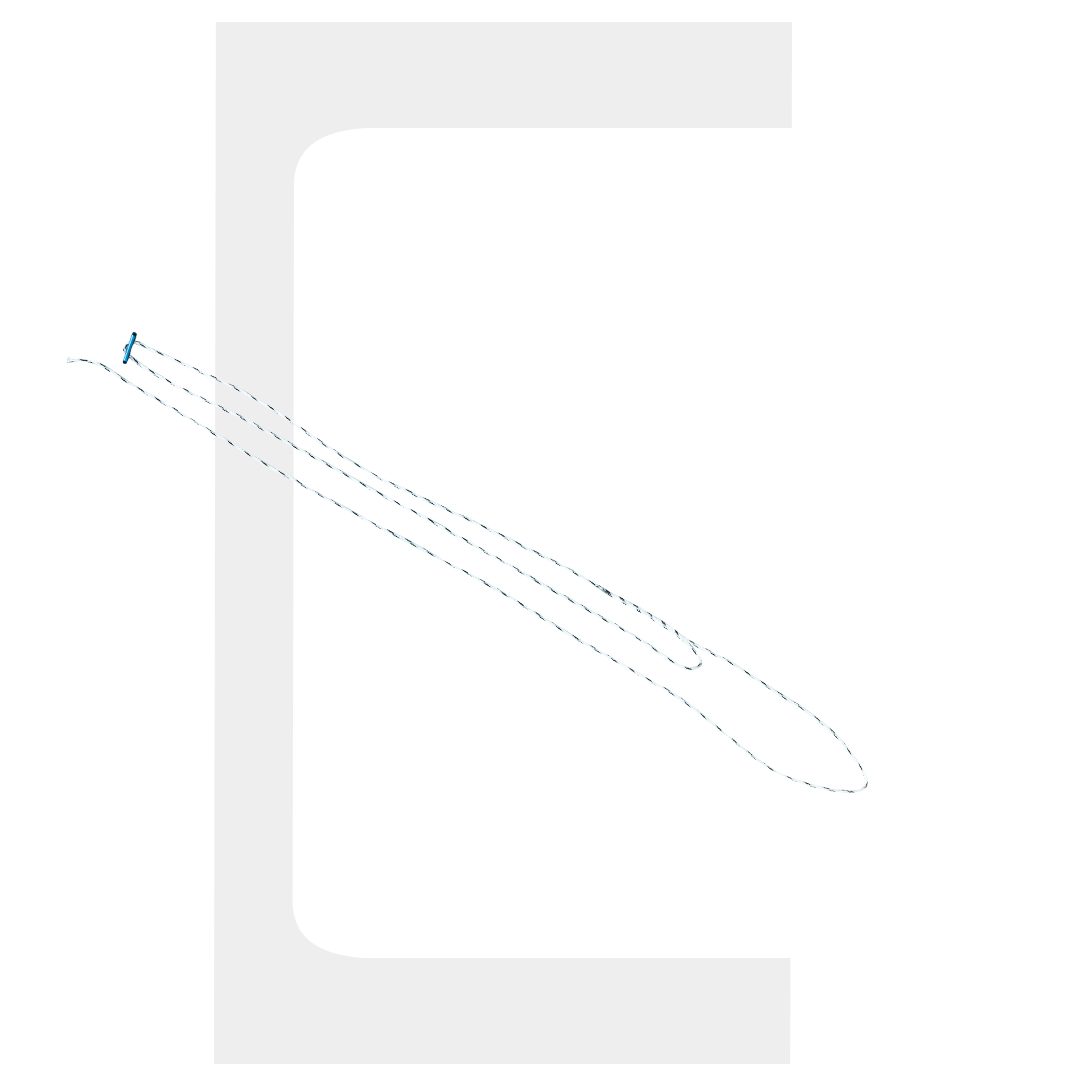
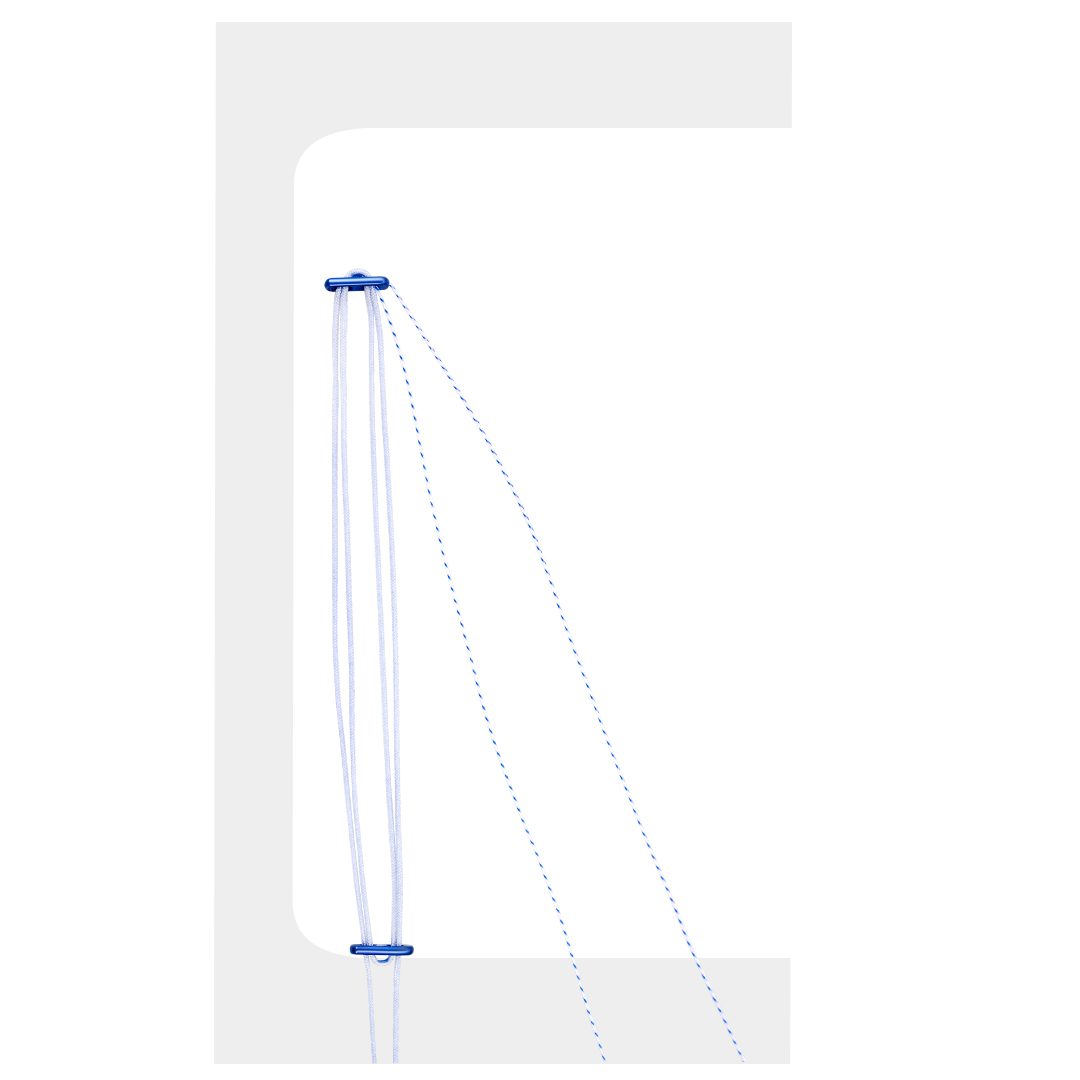
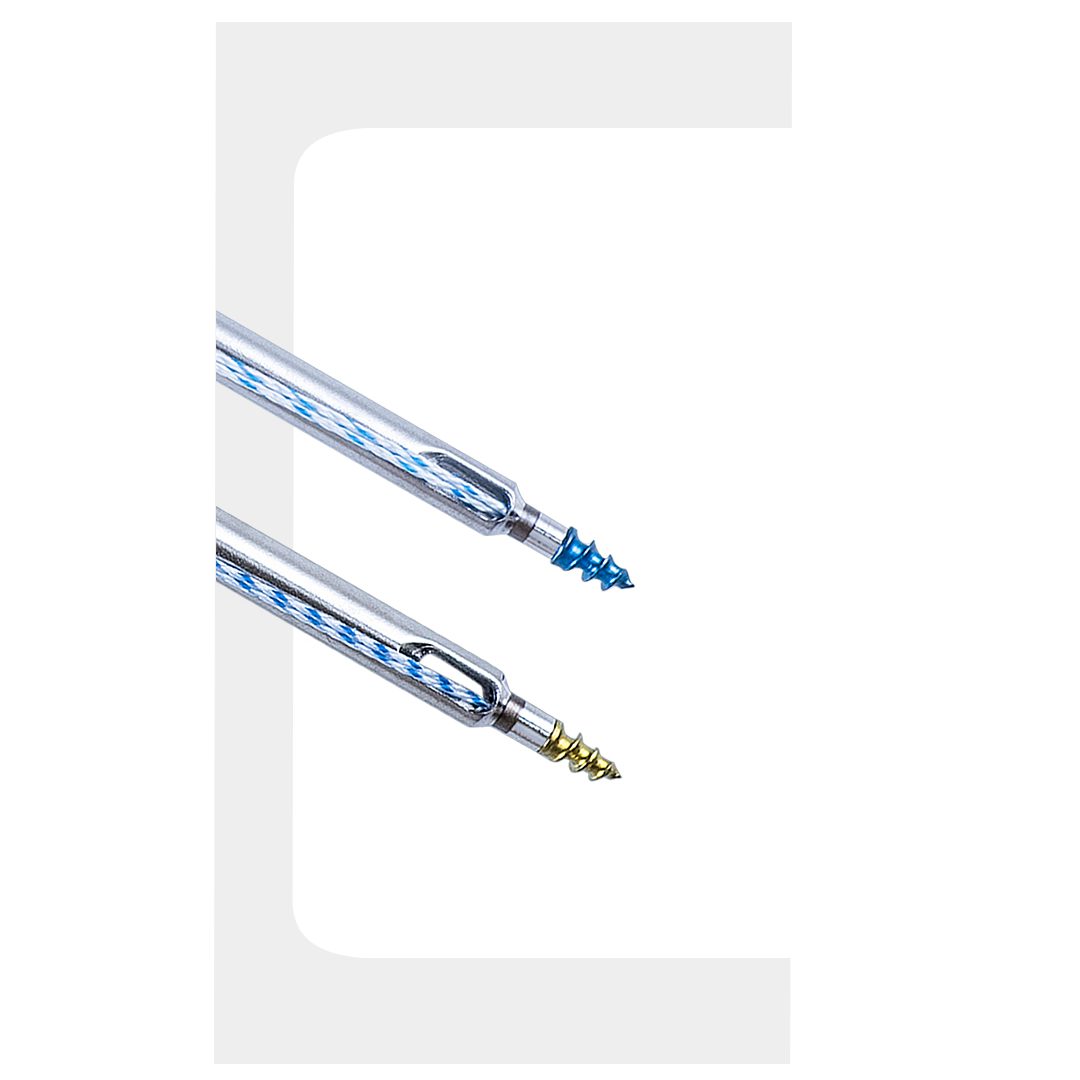
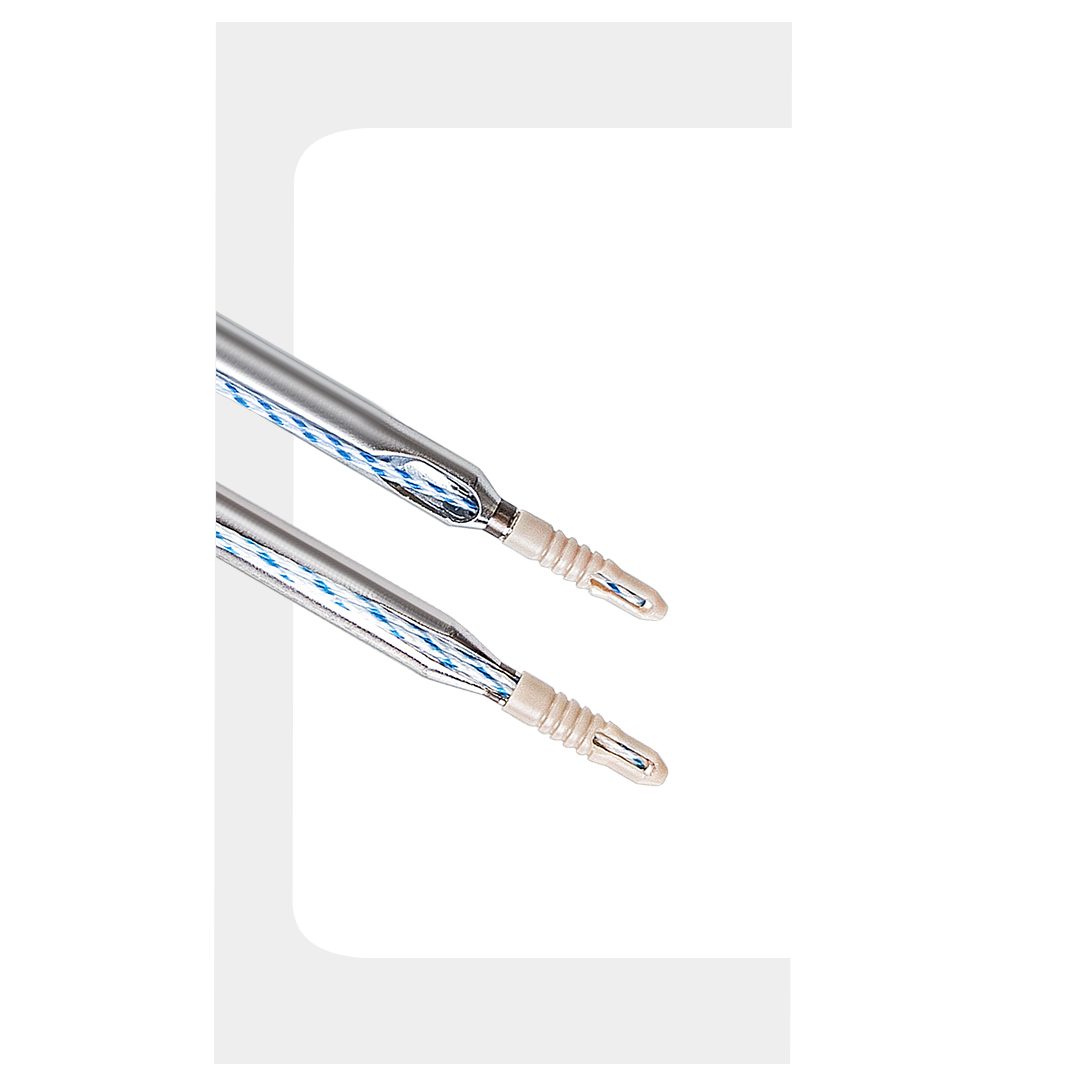
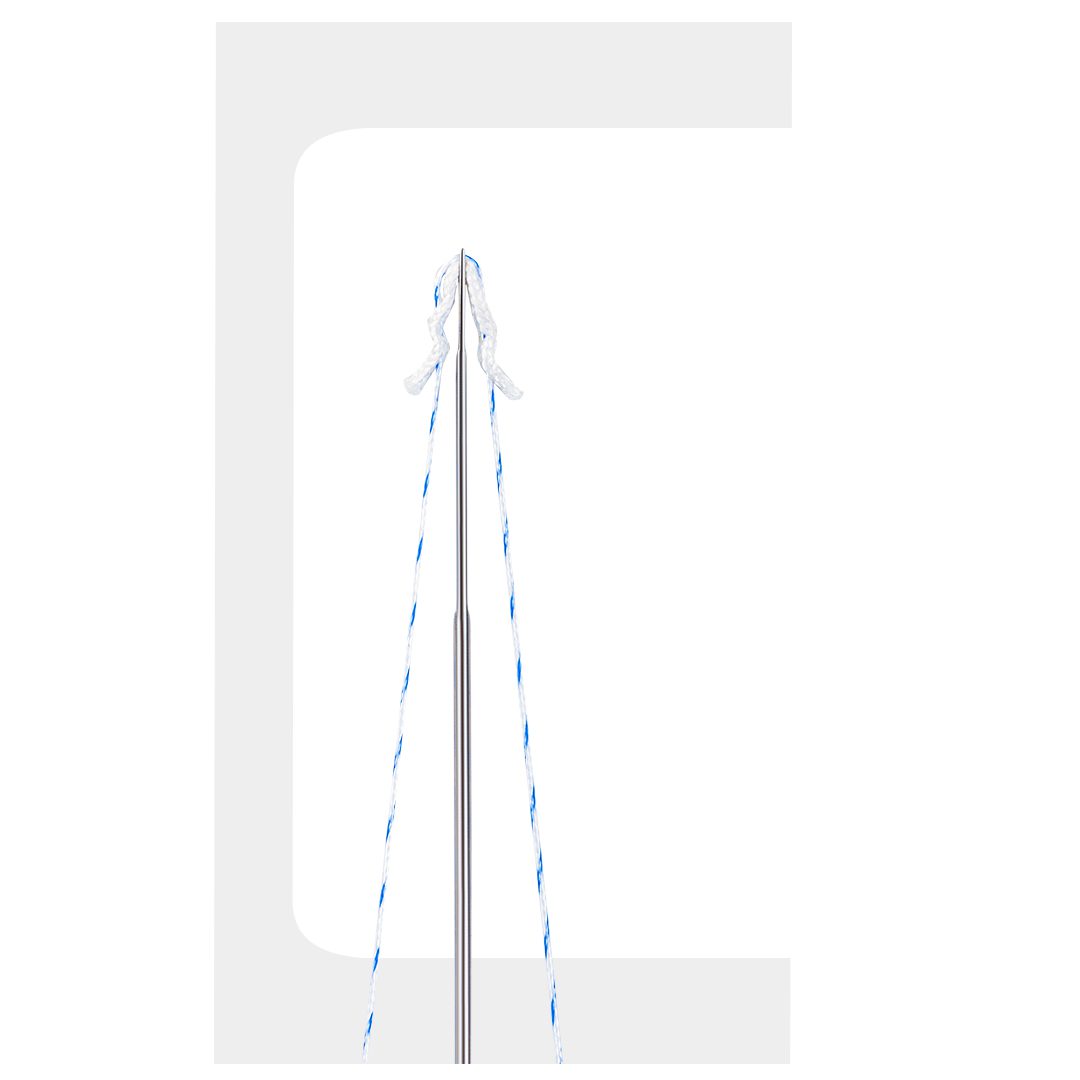
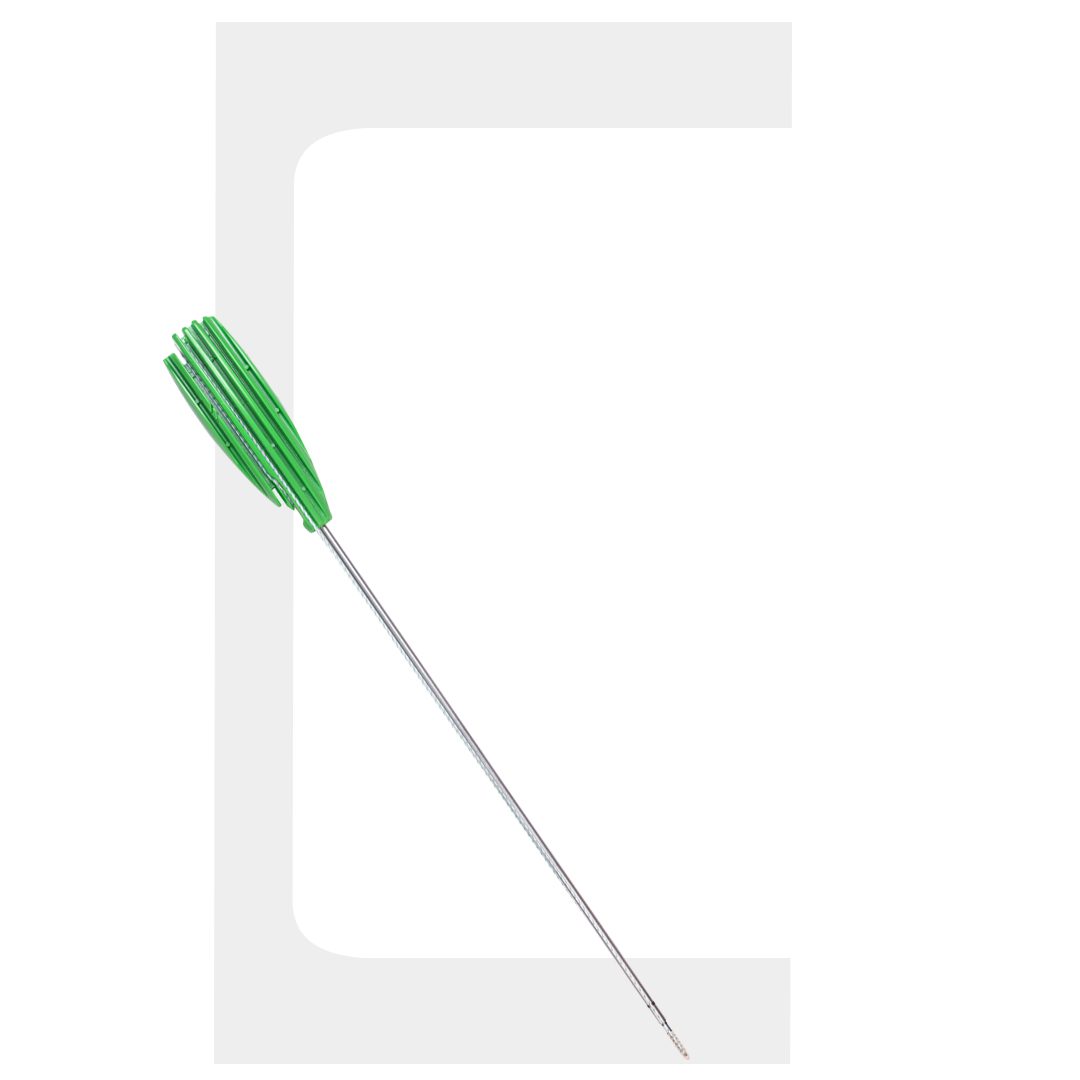
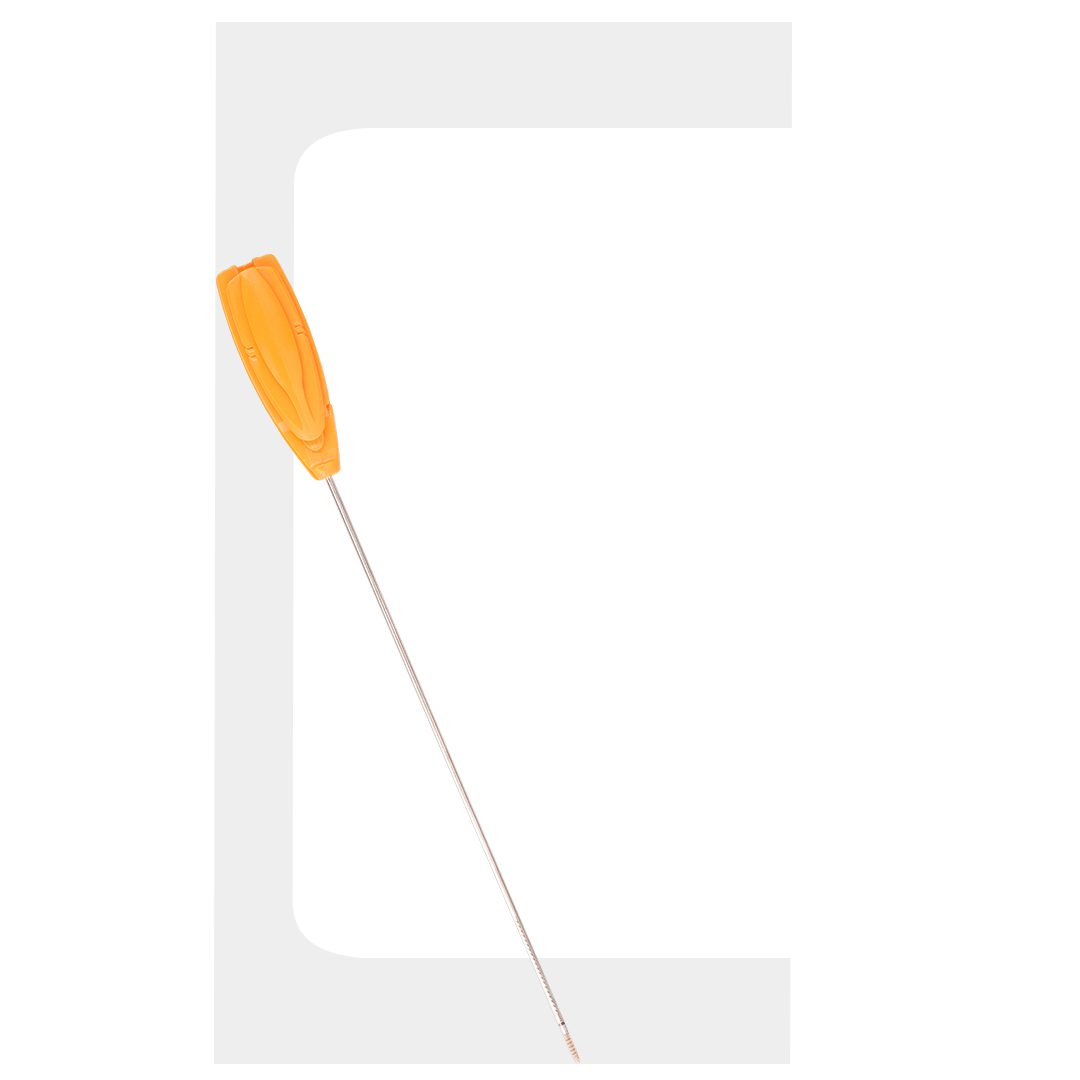
Meniscal repair systems are devices – anchors, fixators, or suture-based constructs – used to hold torn meniscal tissue together while it heals. They are deployed arthroscopically, meaning through small portals rather than open incisions. The three main repair approaches are:
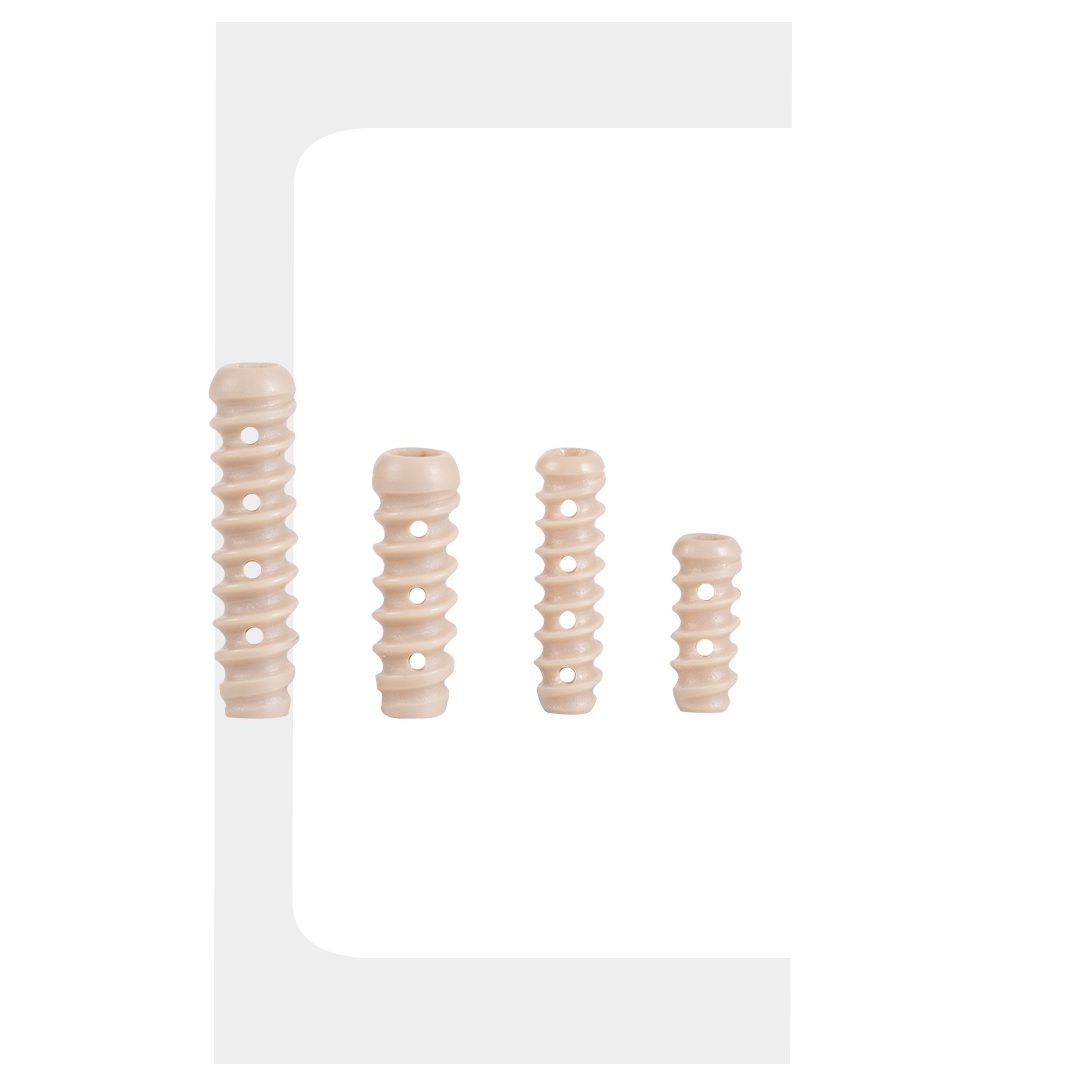
- All-Inside: Fully arthroscopic, fastest technique, ideal for posterior horn tears. Most modern meniscus repair implants fall into this category.
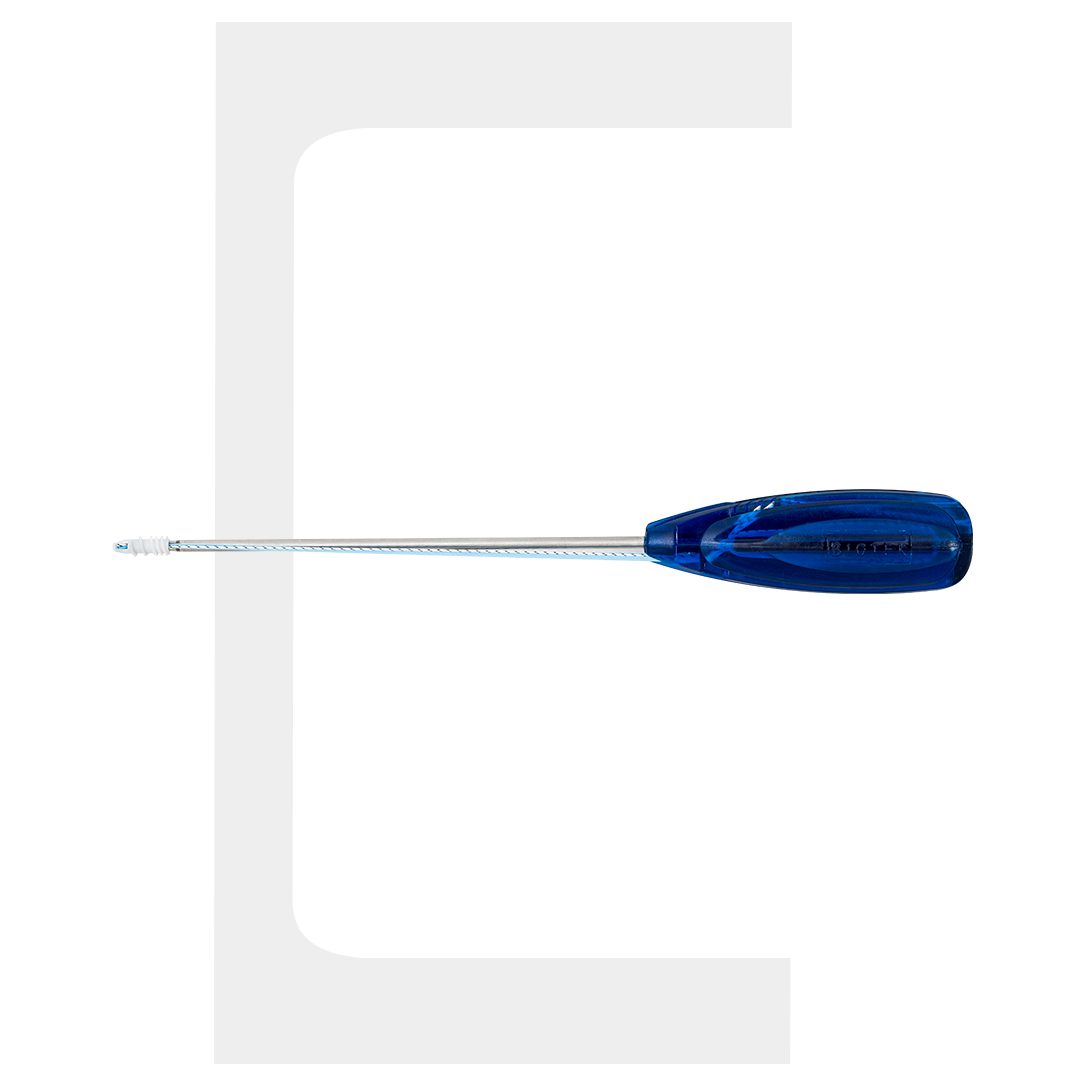
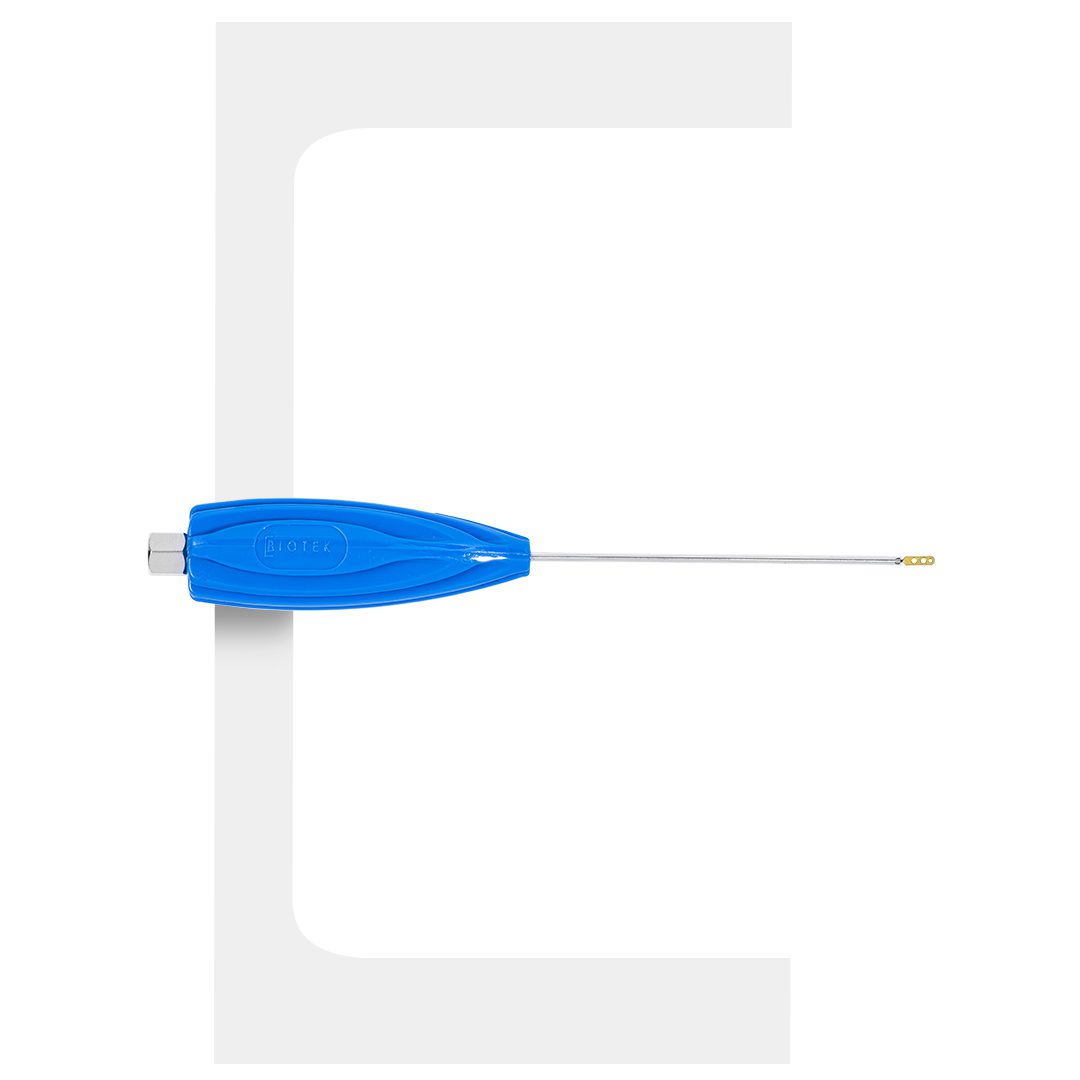
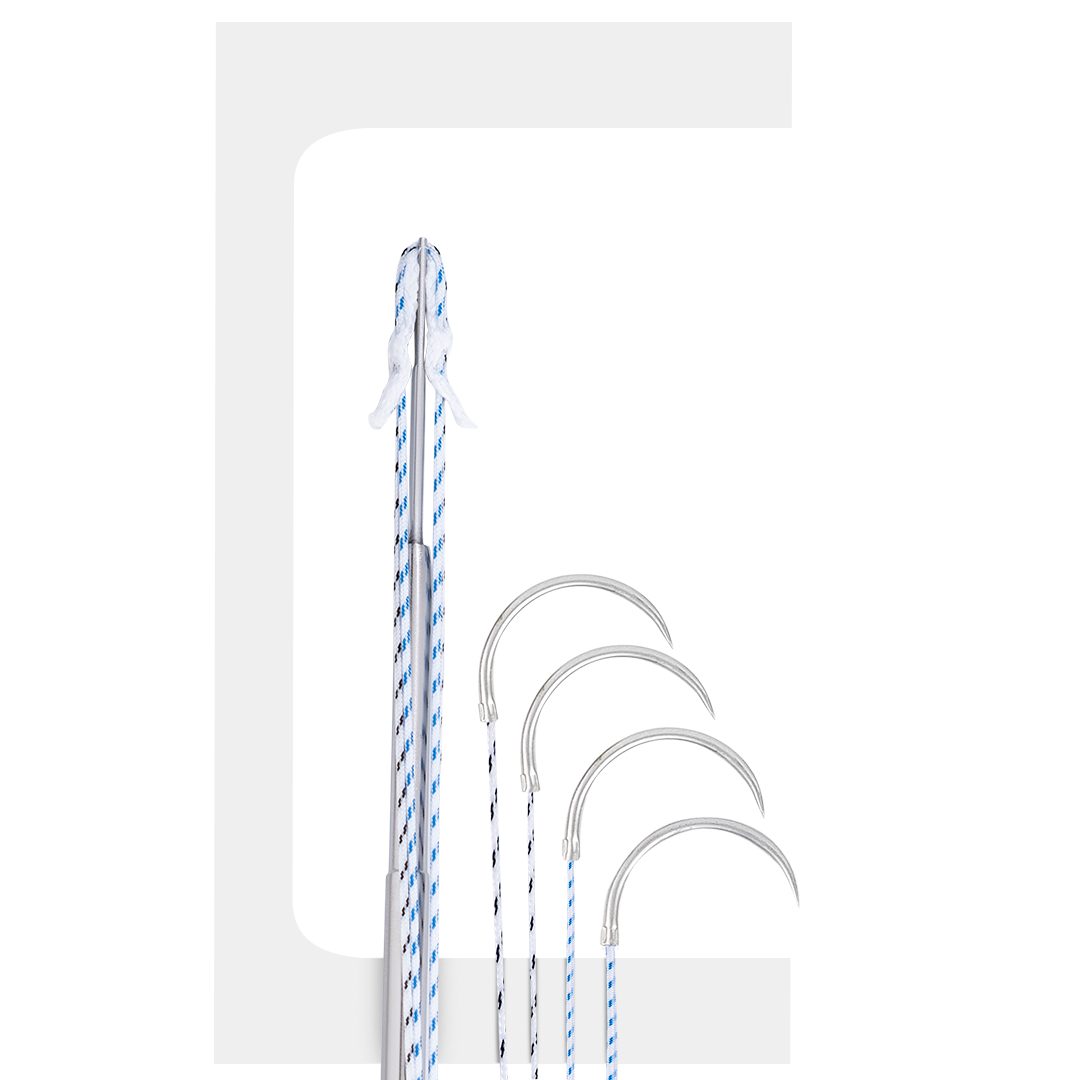
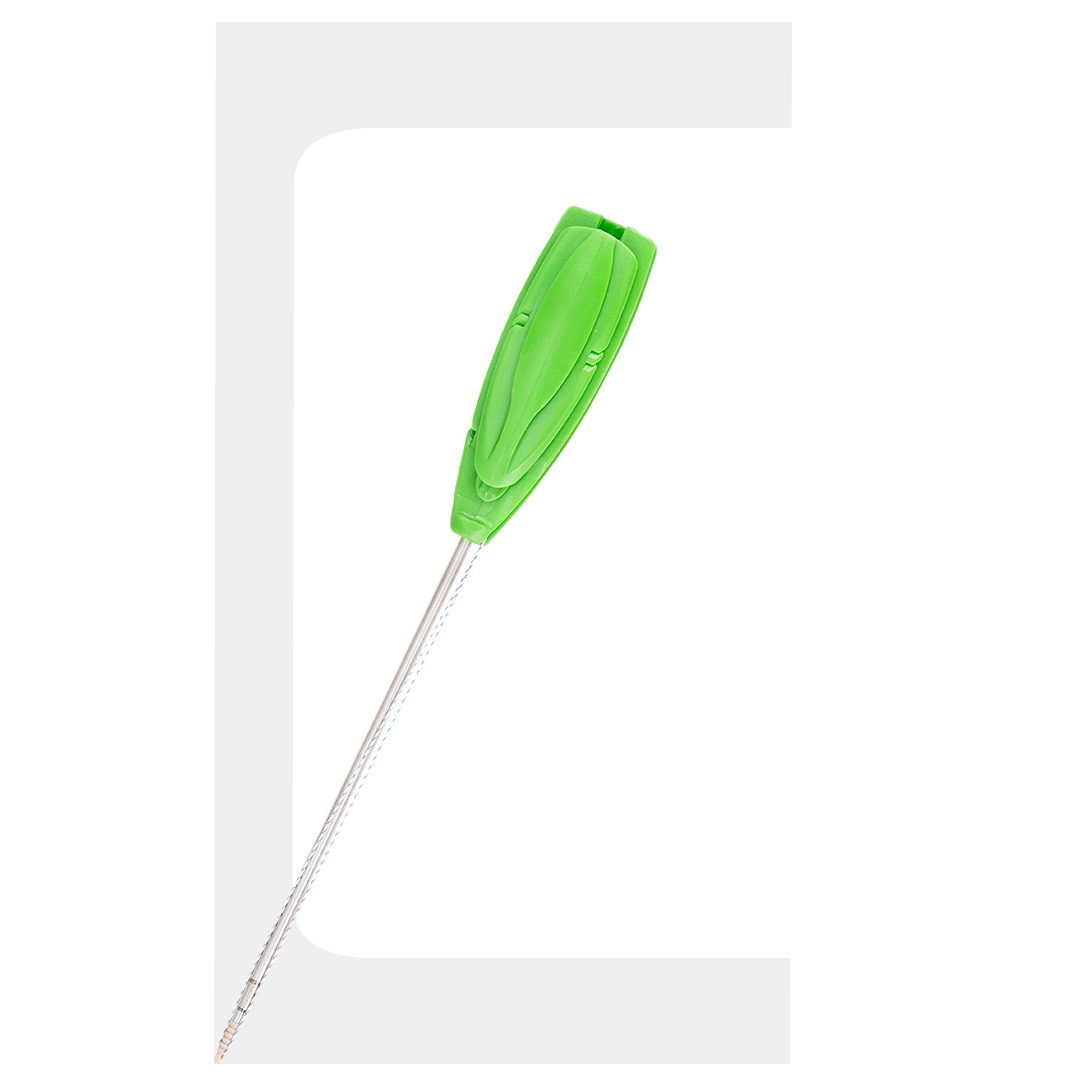
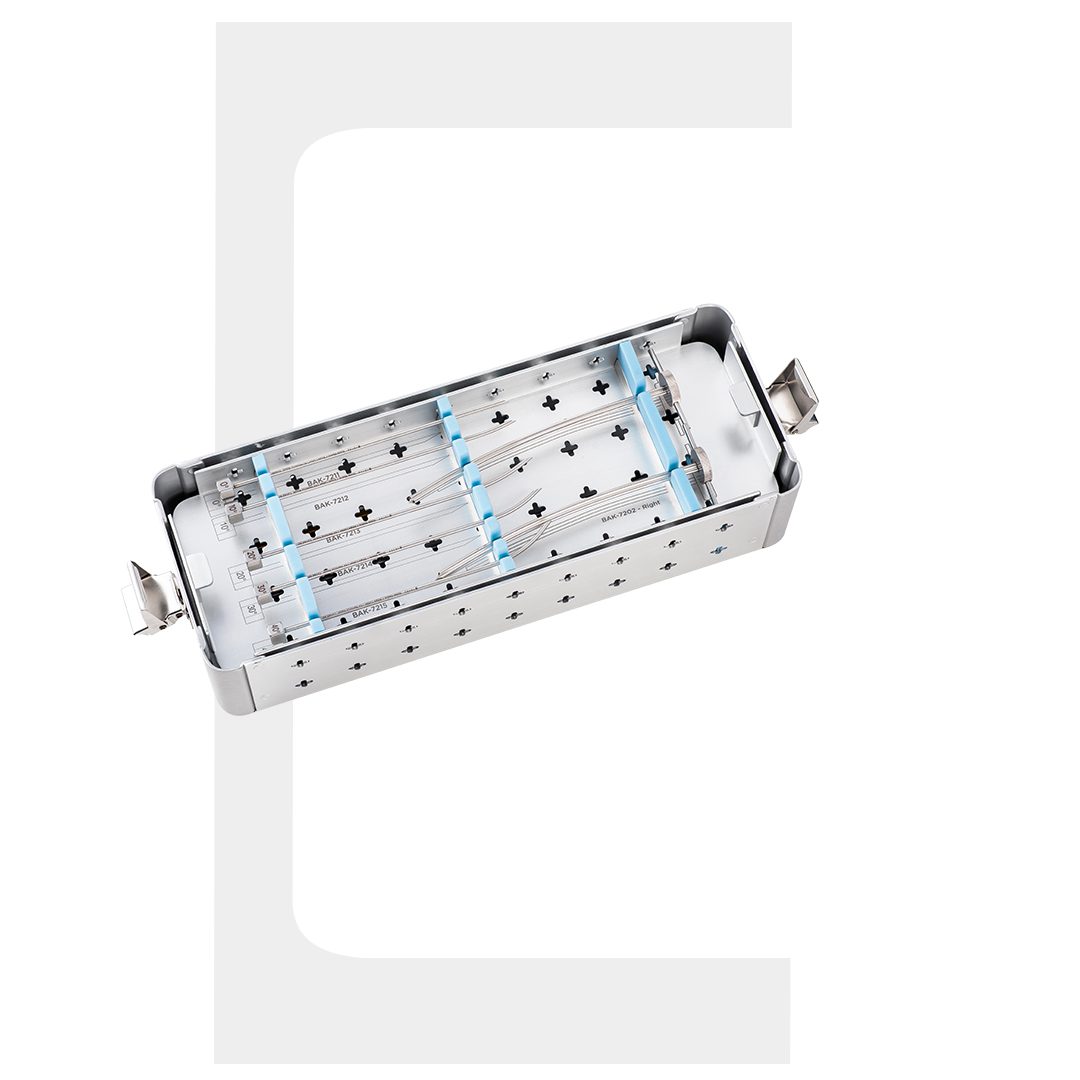
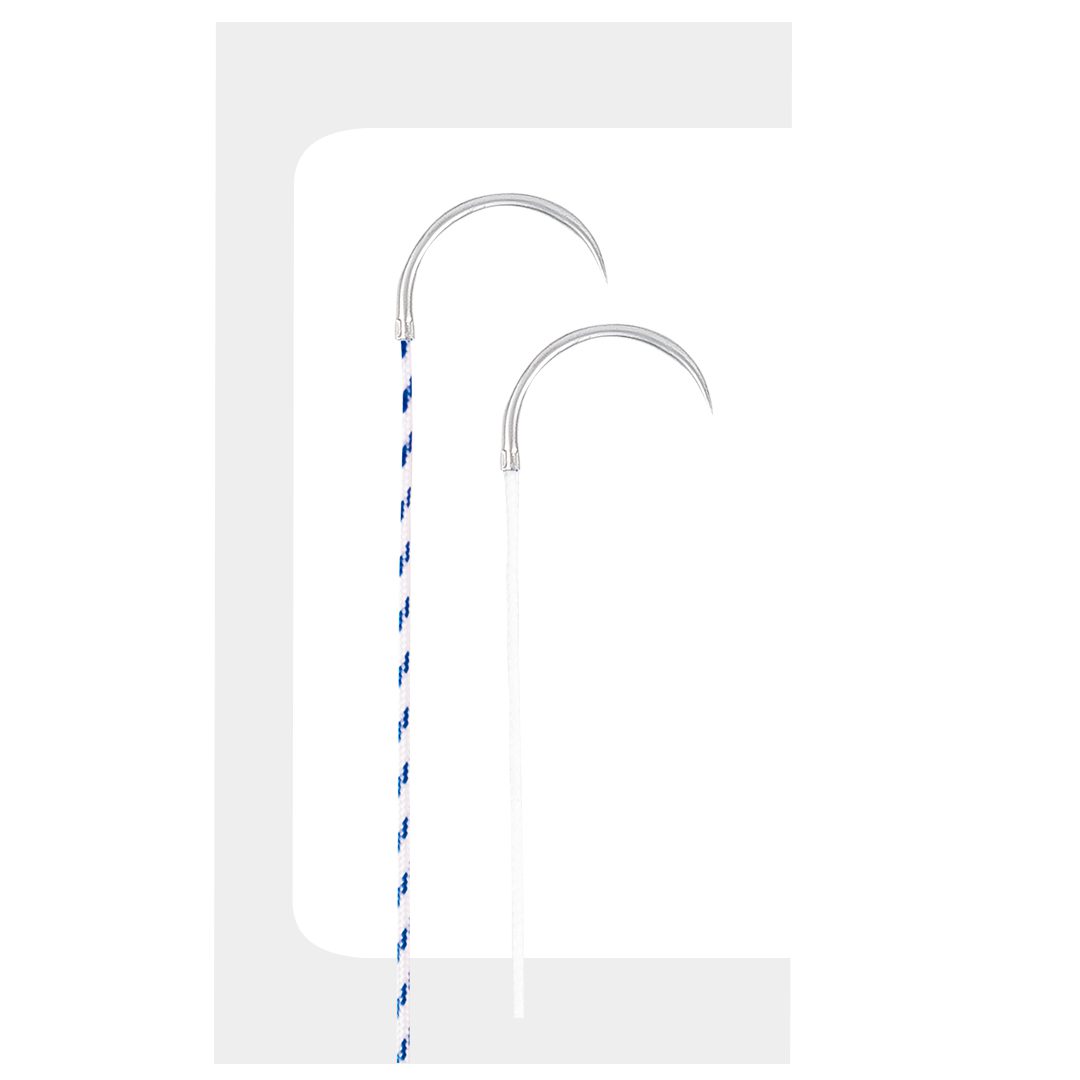
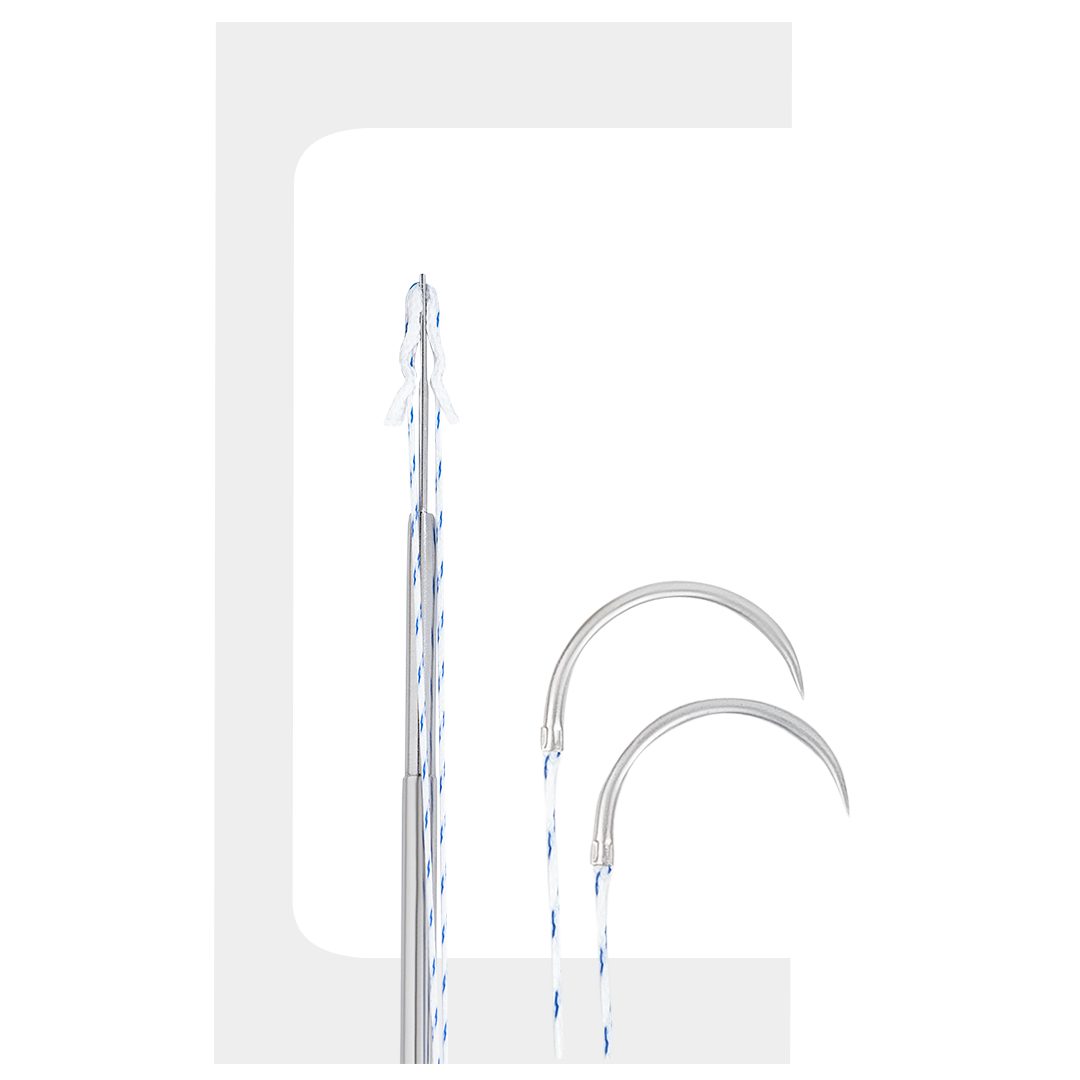
- Inside-Out: Sutures passed from inside the joint outward. Best for large or complex tears. Relies on zone-specific guides and long needles – key instruments used for knee arthroscopy in this method.
- Outside-In: Used for anterior horn tears. Simple, requires minimal specialized hardware.
Key Factors When Choosing a Meniscus Repair Implant
1. Tear Type and Location
Peripheral tears in the vascularized red-red zone heal best. Larger or complex tears may need multi-point fixation constructs. Always match the implant to the tear pattern – not the other way around.
2. Implant Material
| Material | Type | Best For |
|---|---|---|
|
Bioabsorbable (PLLA/PLGA) |
Resorbable |
Young, active patients |
|
Bio-composite |
Partially resorbable |
Bone integration needed |
|
PEEK |
Permanent |
High-load fixation |
3. Fixation and Tensioning Mechanism
Self-tensioning and cinch-lock designs compress the tear edges during deployment – a feature shown to improve healing. Reliable implants for meniscus surgery maintain compression throughout the early healing window (12-16 weeks).
4. Instrument Compatibility
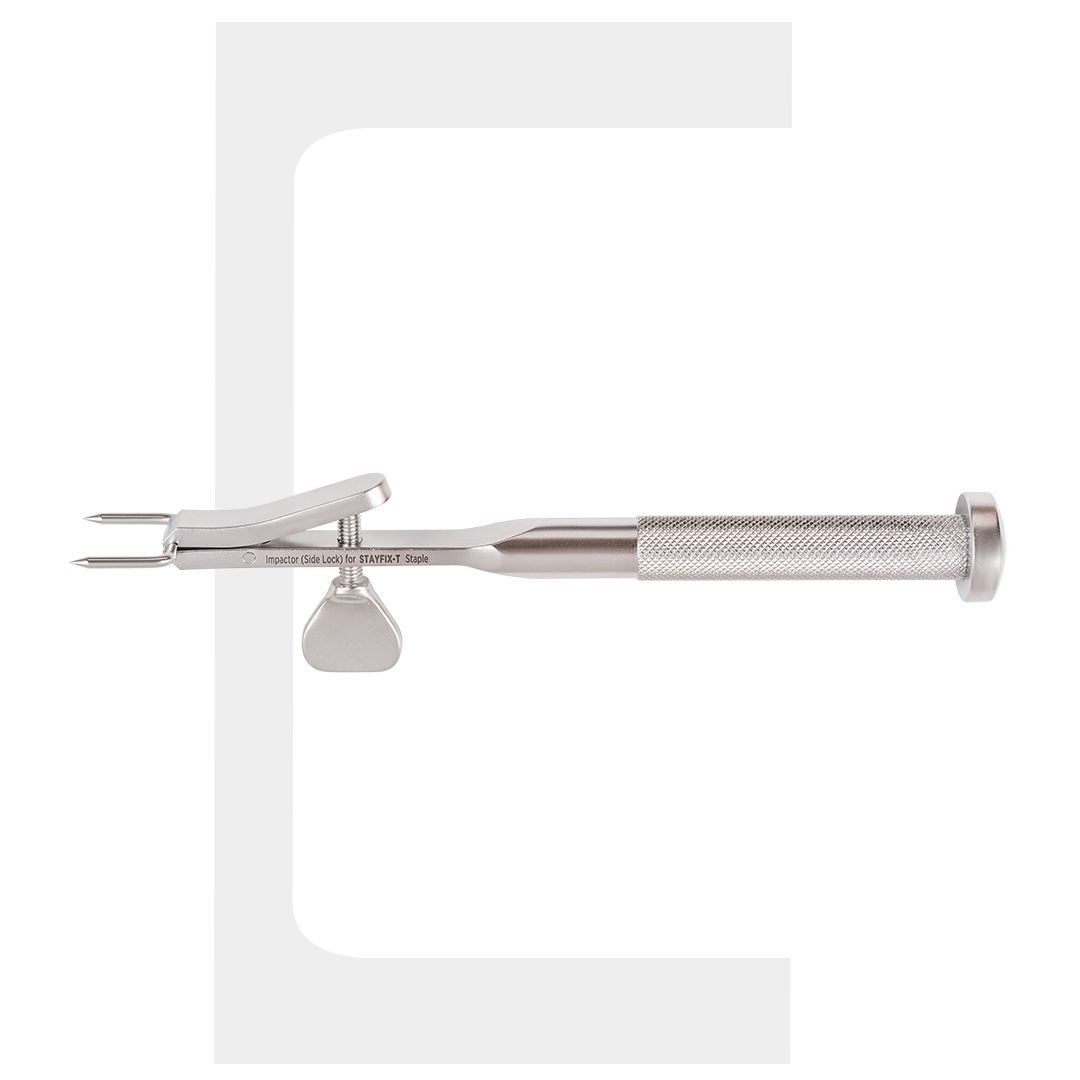
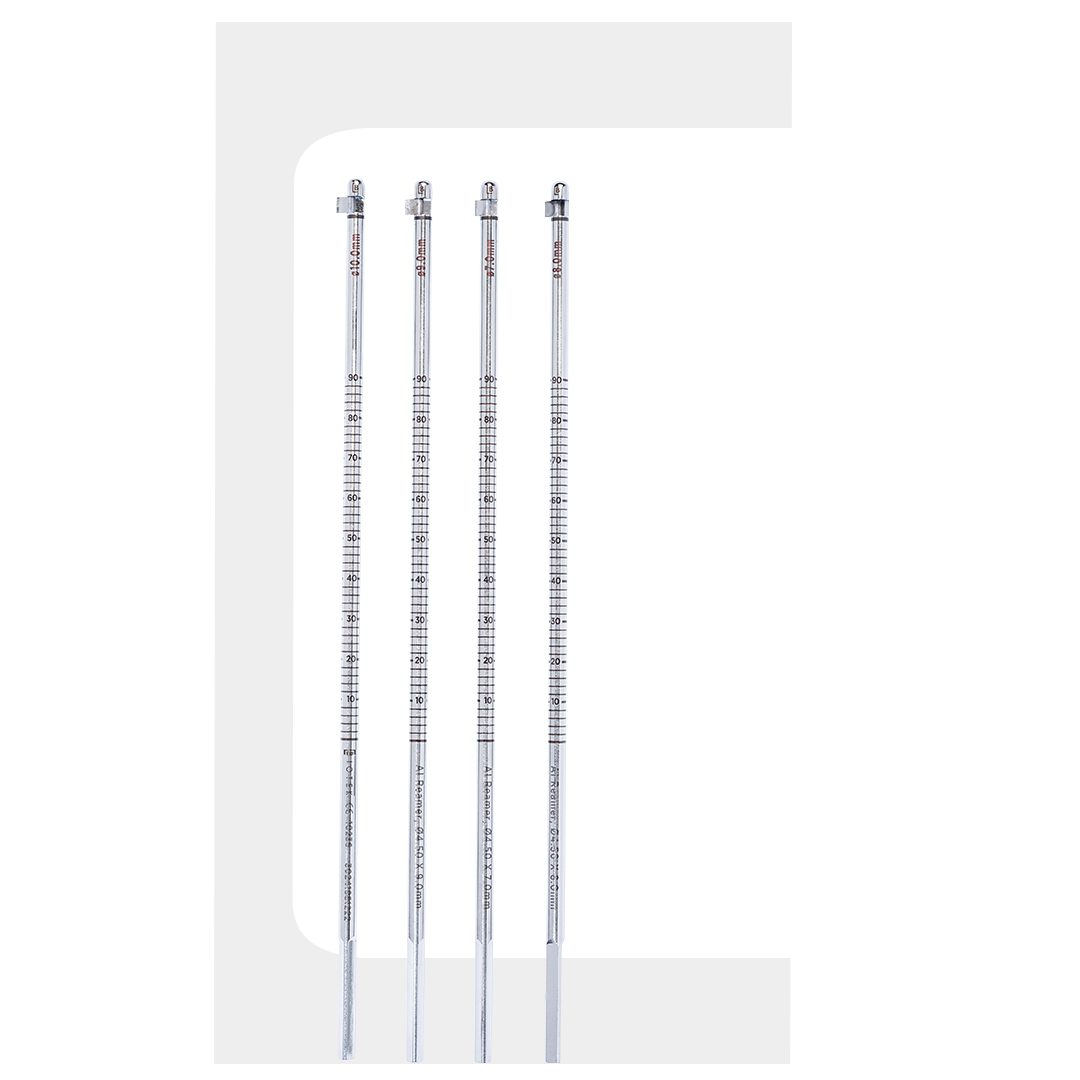
Ensure the meniscal repair system works with your existing instruments used for knee arthroscopy. Proprietary inserters and cannulas add cost and training time. Ergonomic, low-profile deployers reduce the risk of articular cartilage damage.
5. Clinical Evidence
Always verify failure rates, complication data, and functional outcome scores (IKDC, Lysholm, KOOS) from independent peer-reviewed studies – not only manufacturer data.
Frequently Asked Questions
1. What is the most commonly used meniscus repair implant today?
2. Are meniscus repair implants permanent?
3. What instruments are used for knee arthroscopy in meniscus repair?
4. How long is recovery after meniscus repair?
Conclusion
Selecting the right meniscus repair implant system means balancing tear anatomy, patient factors, implant material, tensioning design, and clinical evidence. The best outcomes come from pairing reliable implants for meniscus surgery with the right technique, the right instrumentation, and a surgeon experienced with the chosen platform. As preservation-first surgery continues to evolve, staying current with the evidence – and your implant system – makes all the difference.