Complete Guide to Meniscus Repair: Implants, Types, Techniques & Outcomes
A torn meniscus is one of the most common knee injuries, affecting both athletes and non-athletes.With advances in orthopedic technology, modern meniscus repair implants allow surgeons to preserve the meniscus and restore knee function with minimal invasiveness. This guide covers everything you need to know – from implant types to surgical techniques and outcomes.
What Are Meniscus Repair Implants?
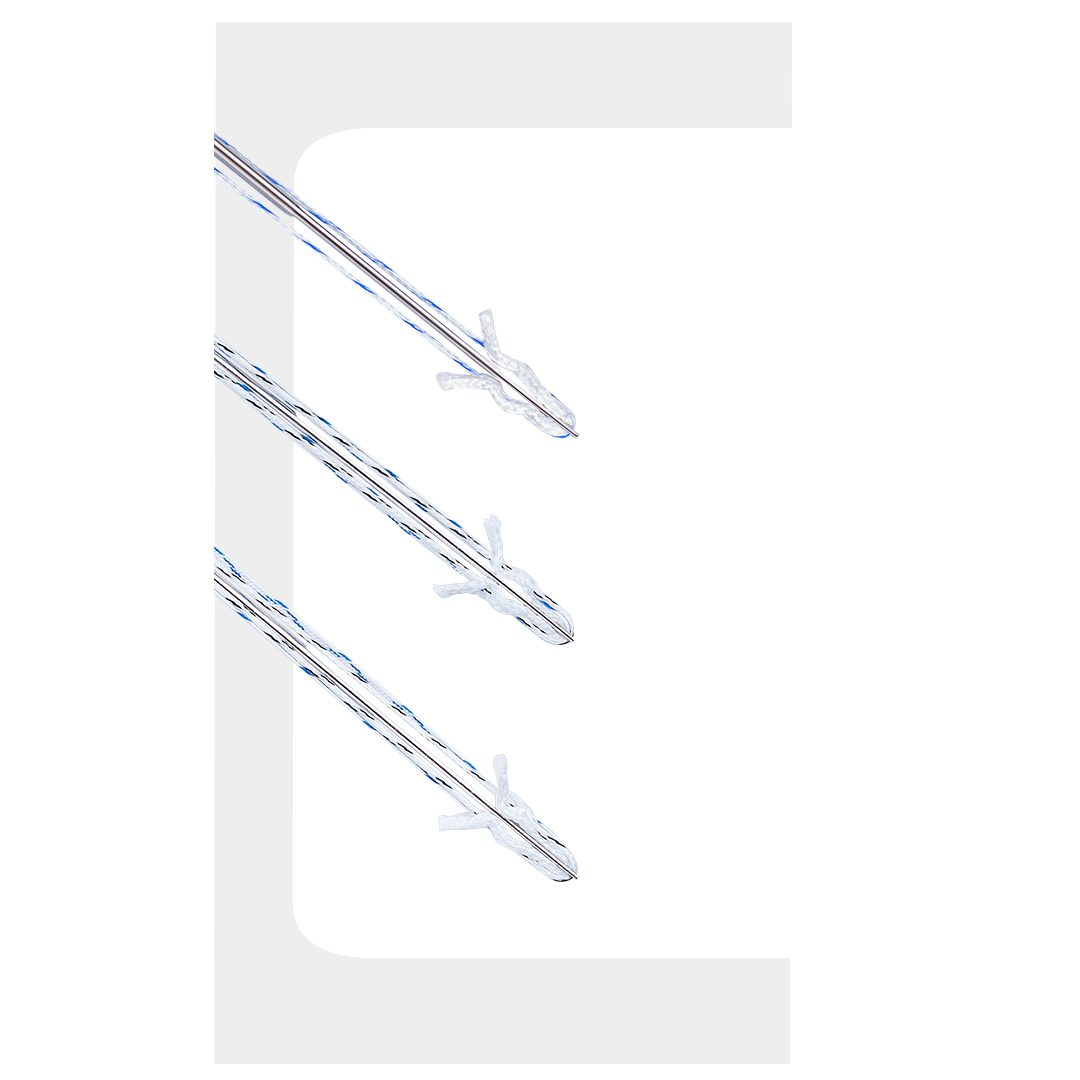
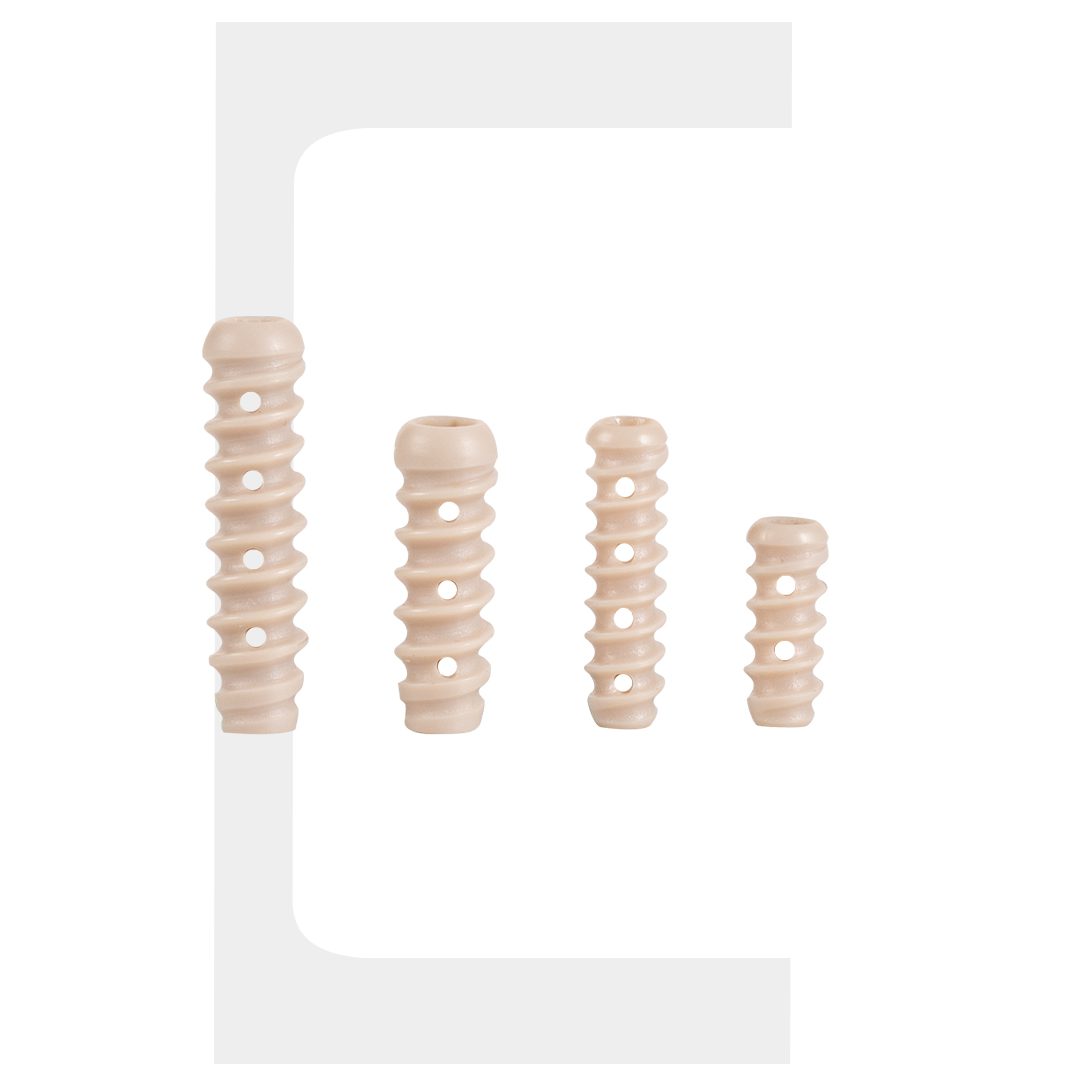
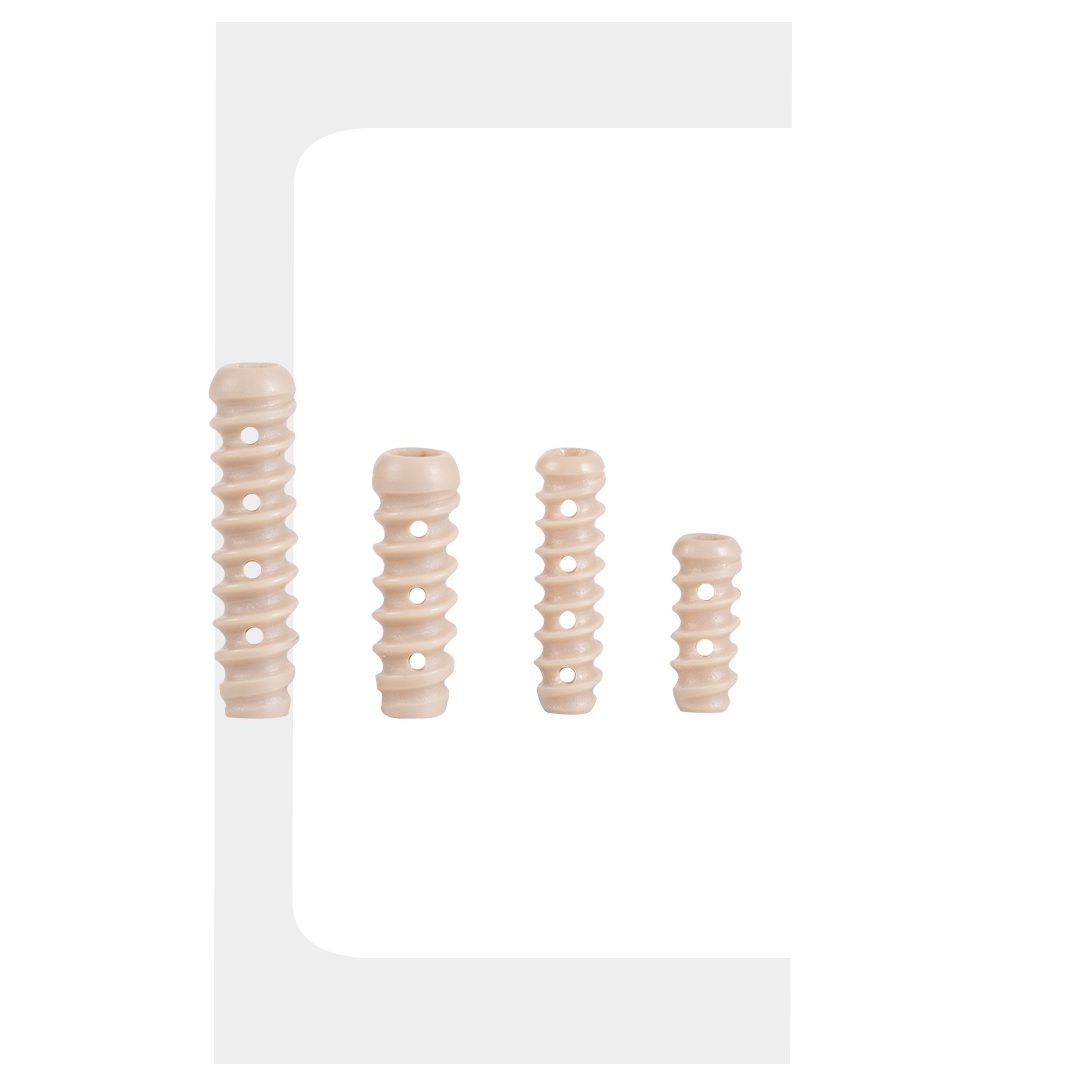
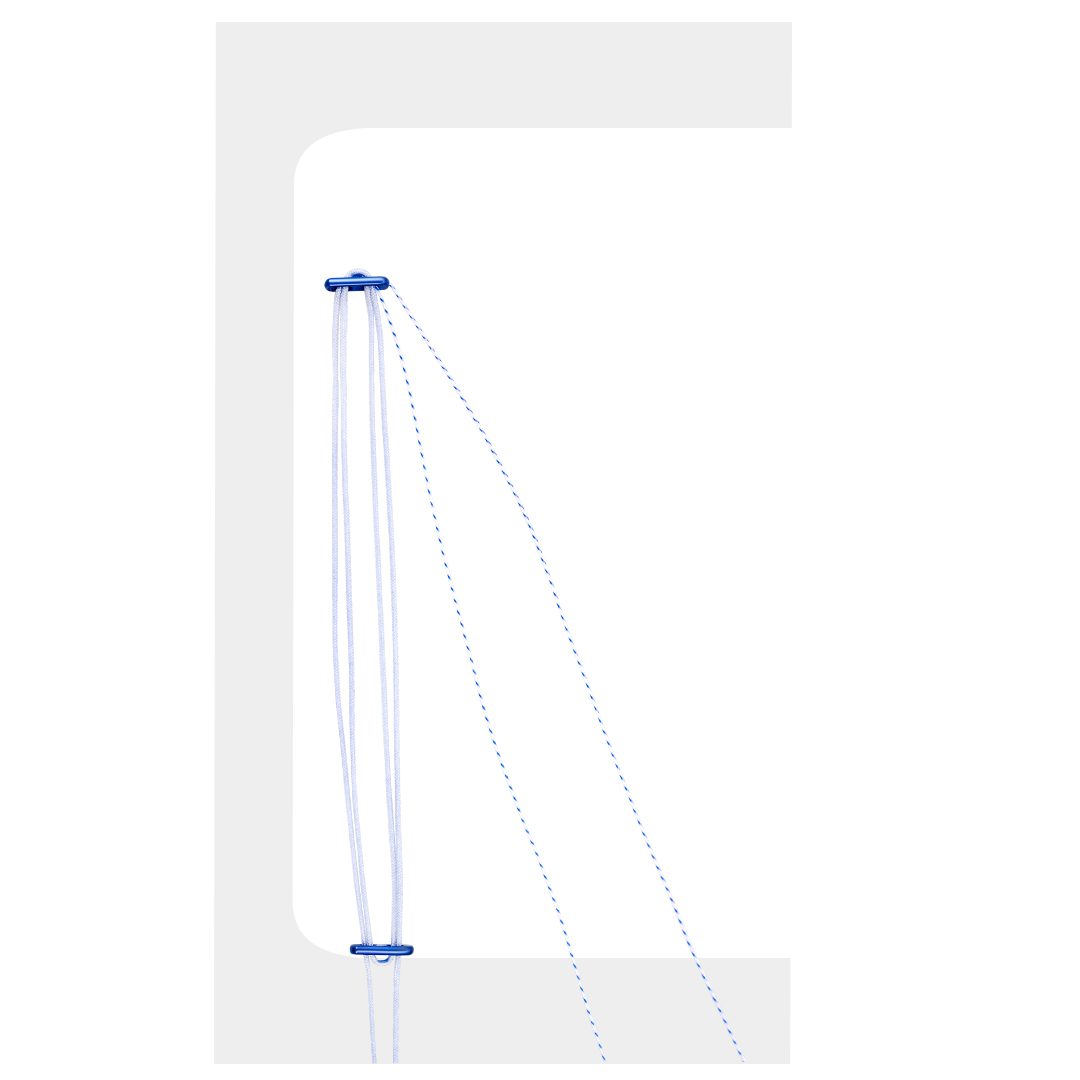
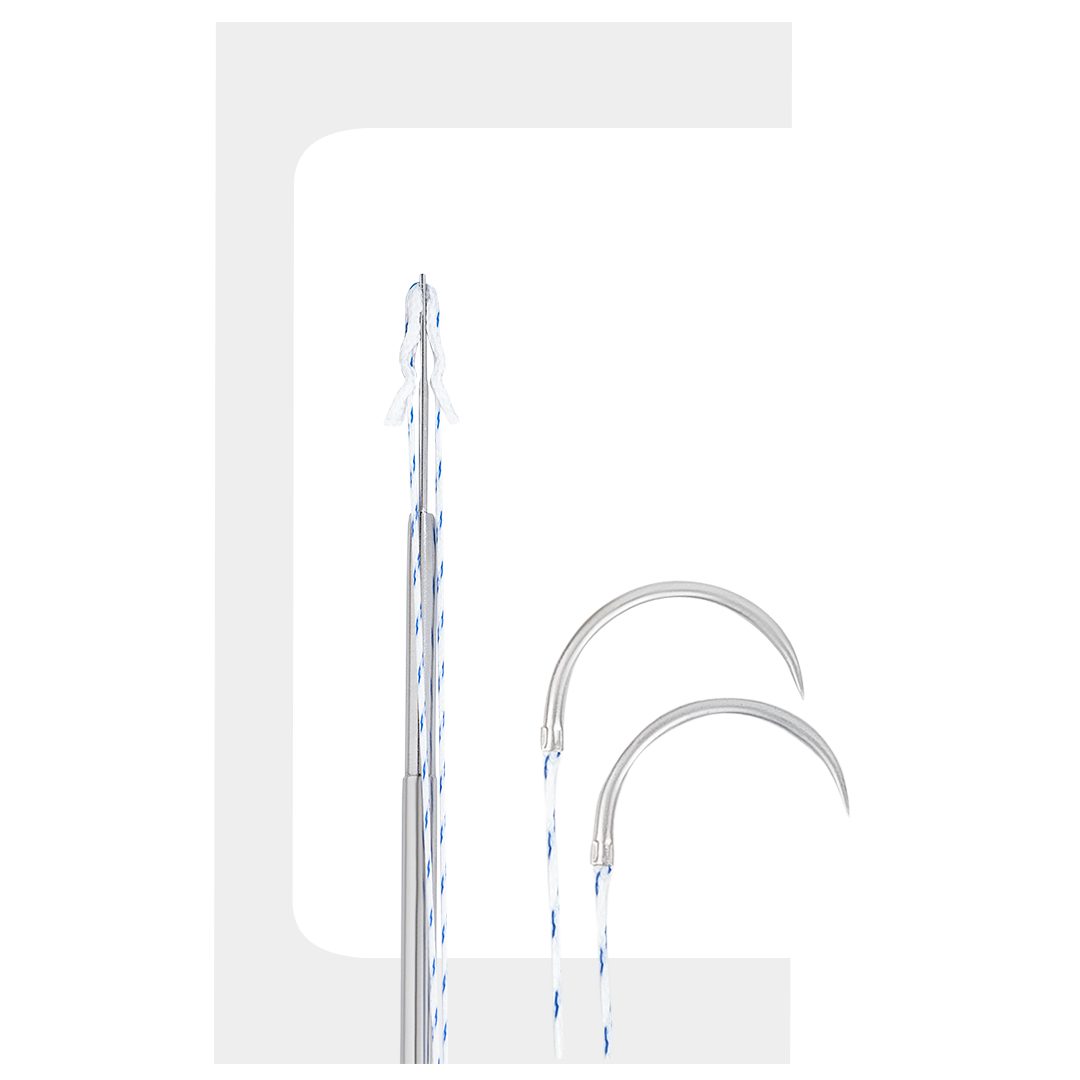
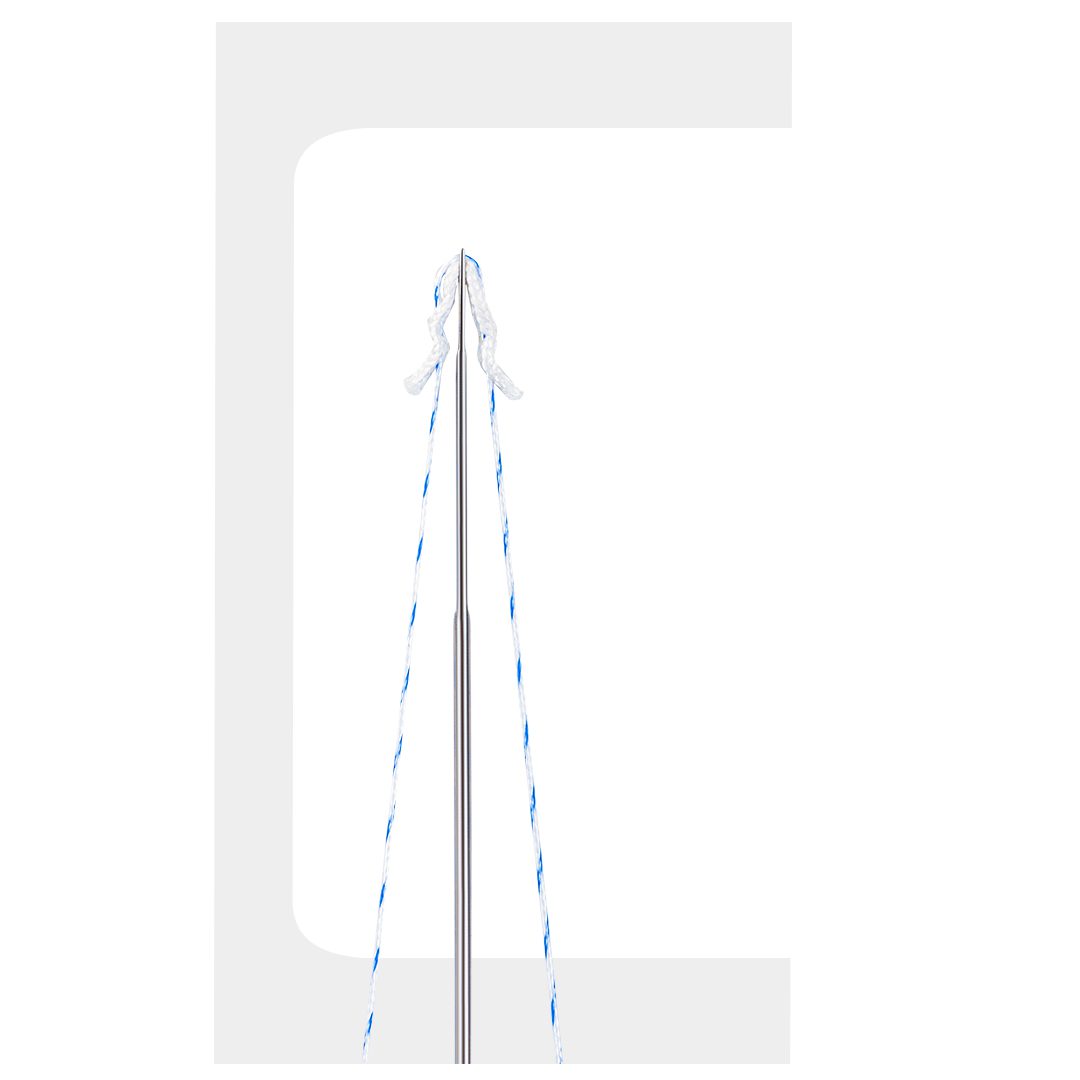
Meniscus repair implants are specialized devices used to hold torn meniscal tissue together while it heals. Unlike a meniscectomy (tissue removal), repair preserves the natural shock-absorbing function of the knee – significantly reducing the long-term risk of osteoarthritis. Reliable implants for meniscus surgery are biocompatible, mechanically strong, and designed for precise deployment during arthroscopic procedures.
Types of Meniscus Repair Implants
- All-Inside Fixation Devices
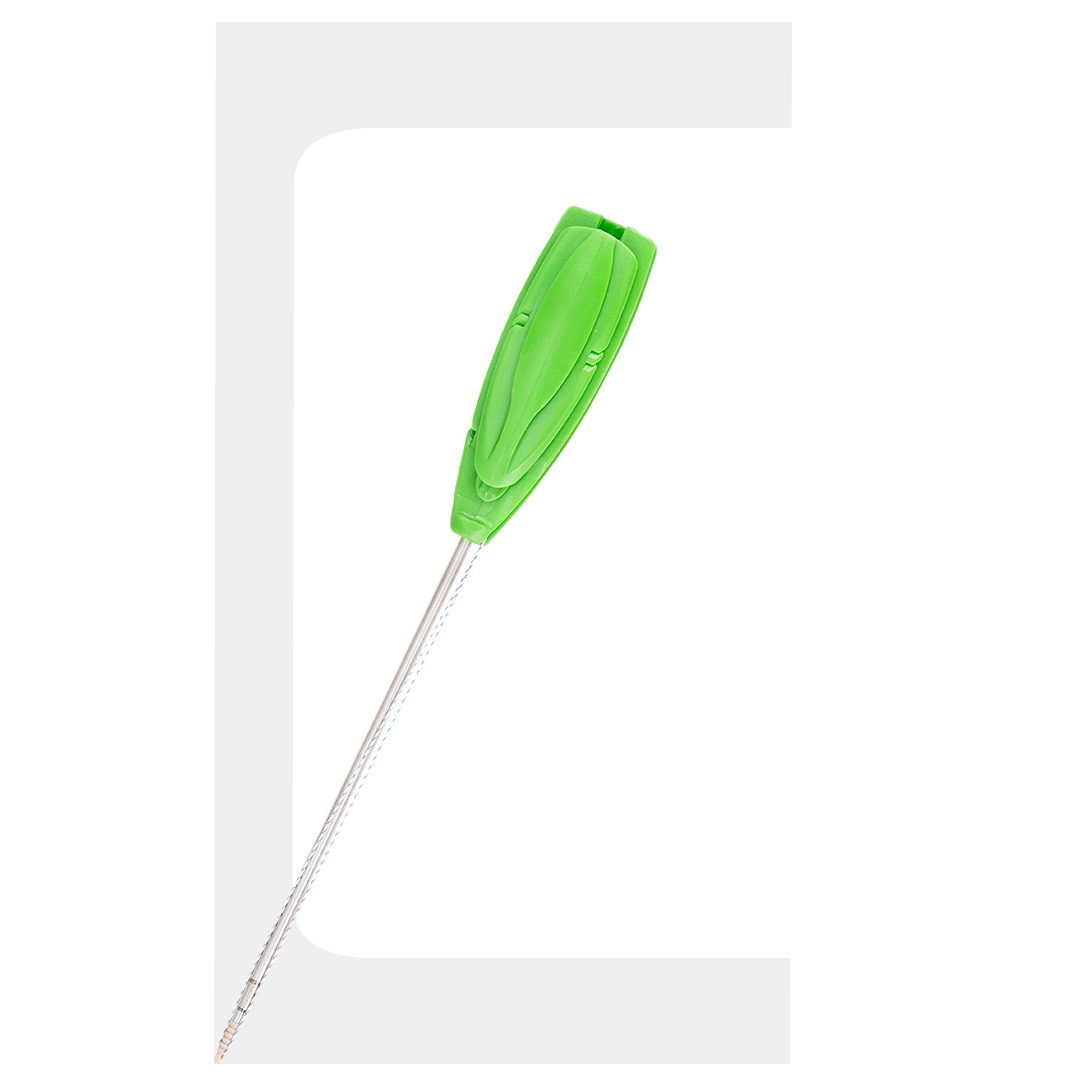
The most widely used option in modern arthroscopy. These devices allow the entire repair to be performed
from within the joint – no extra incisions required. They use a suture or anchor mechanism to compress and
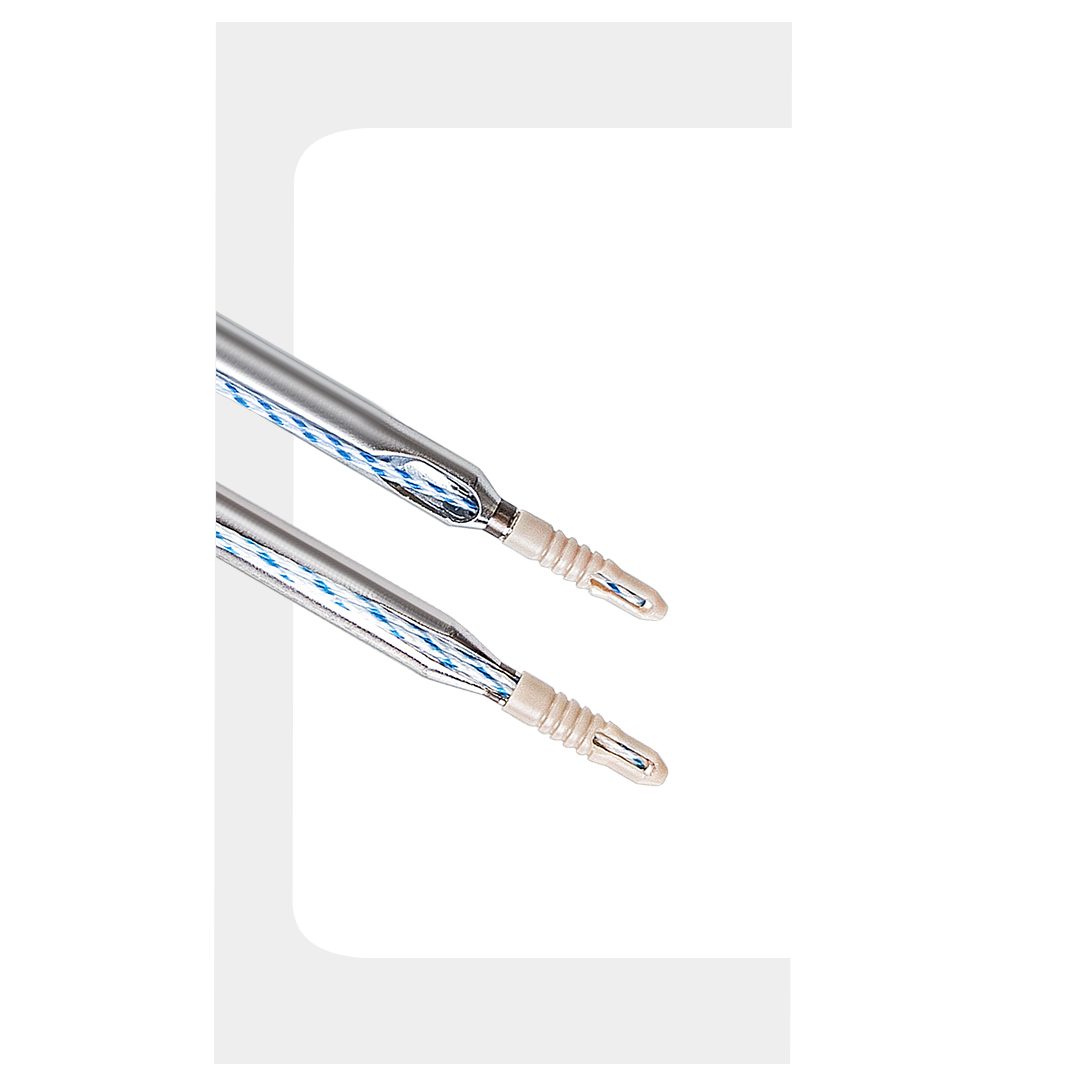
hold torn edges together, making them ideal for posterior horn and bucket-handle tears. - Bioabsorbable Implants
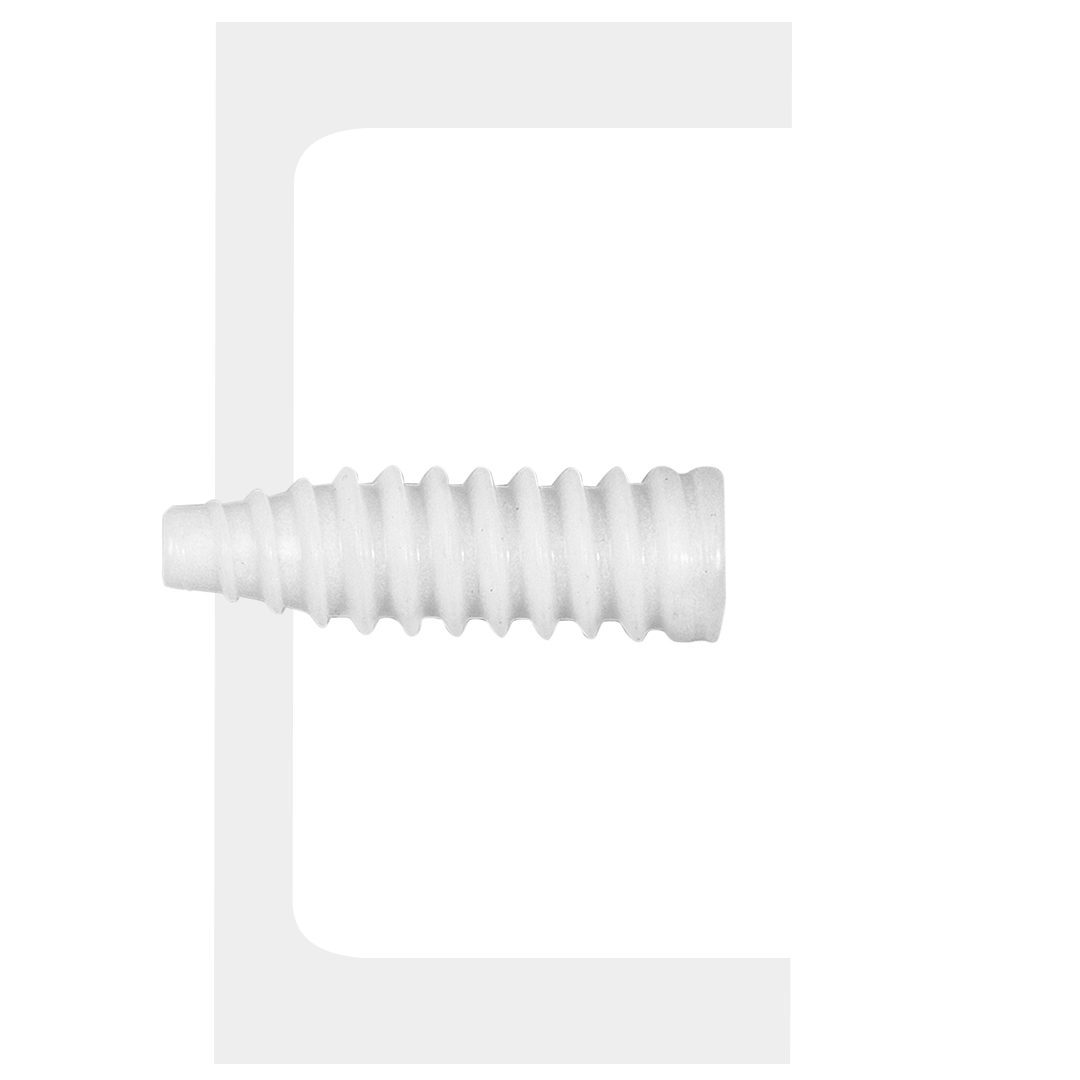
- Made from materials like PLLA or PGA, these implants gradually dissolve as the tissue heals (typically over 6 – 24 months). They are popular for younger patients and cases where avoiding a permanent foreign body is a priority.
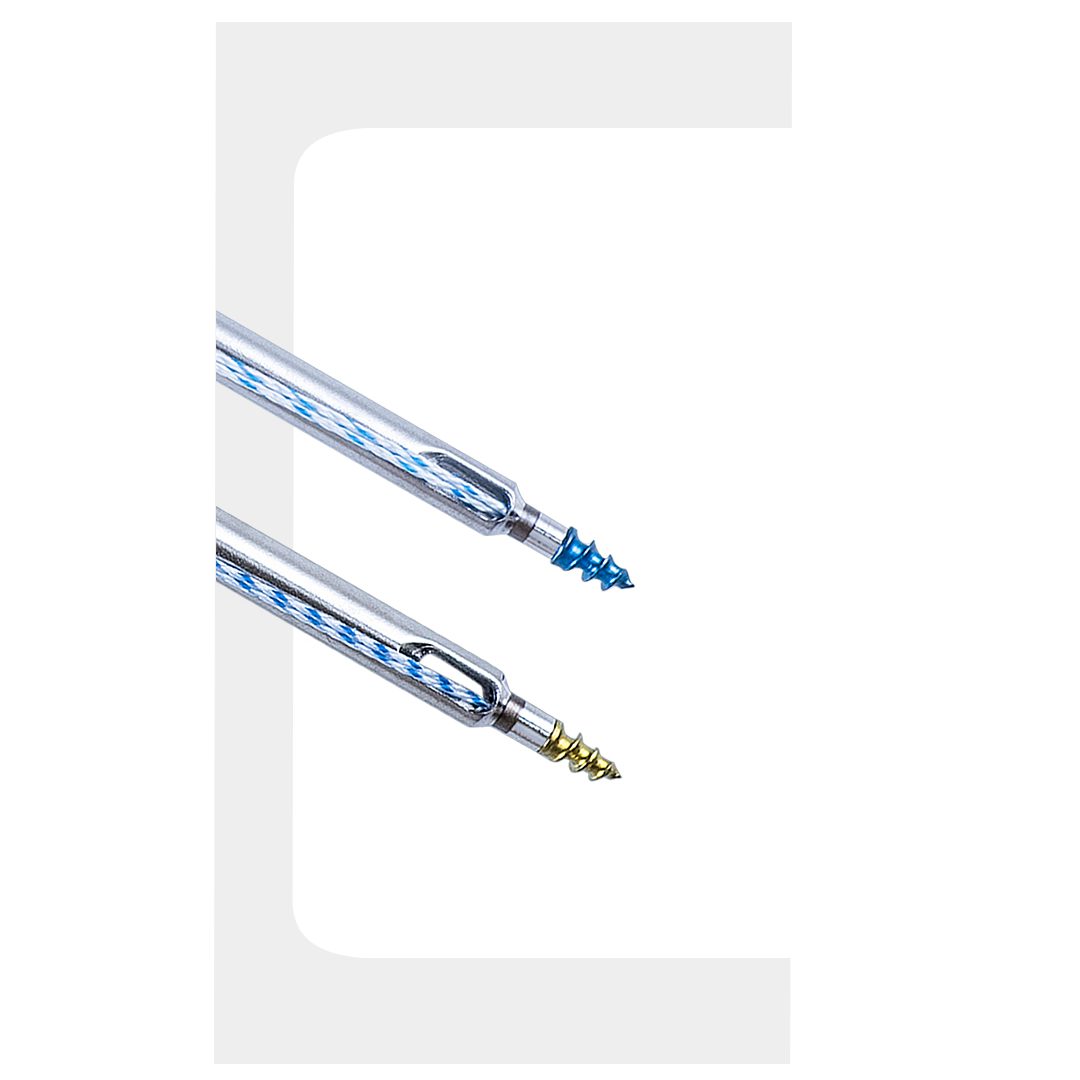
- Non-Absorbable Suture Anchors
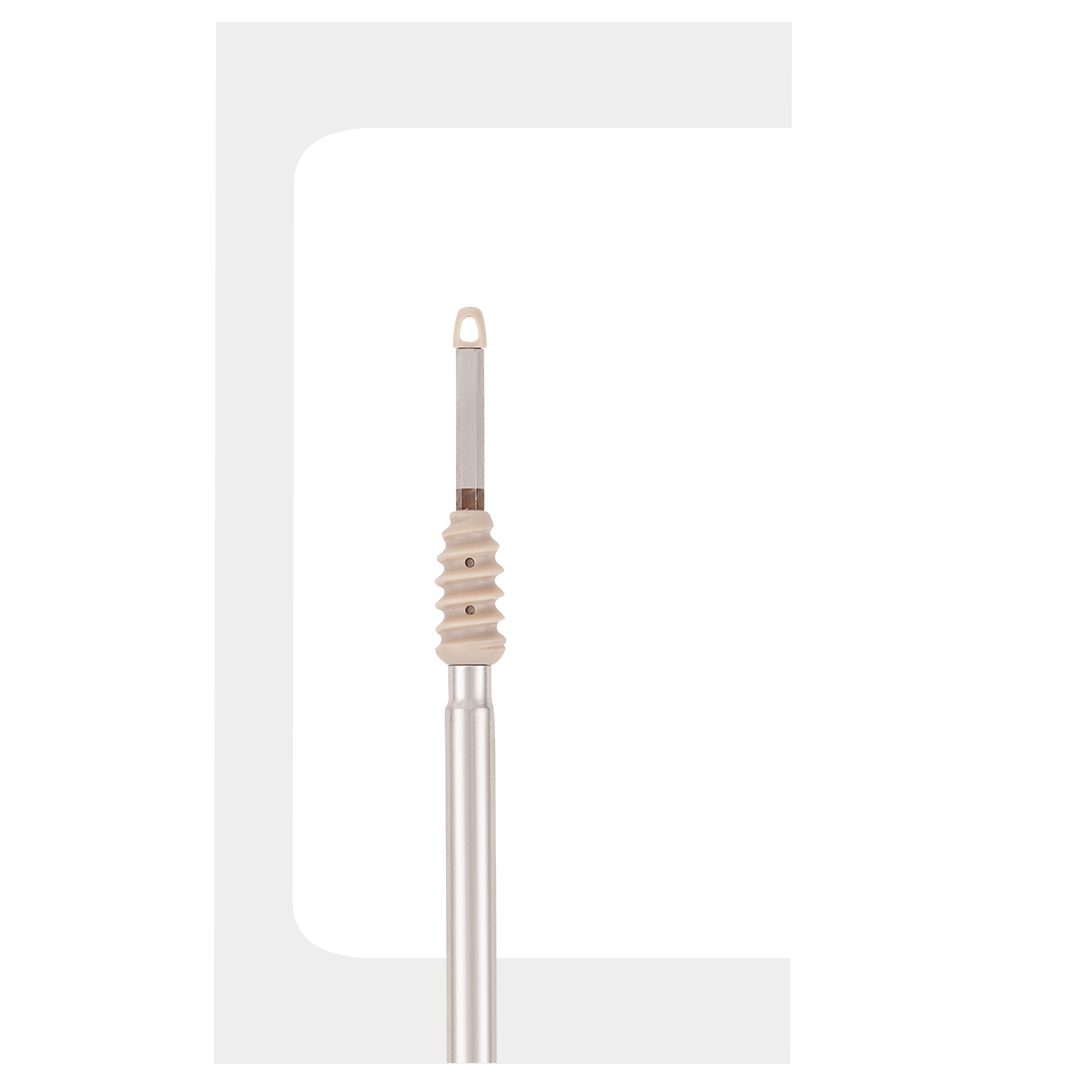
- Permanent anchors made from titanium or PEEK offer maximum fixation strength. They are preferred for revision surgeries and complex tears where long-term mechanical stability is critical.
Quick Comparison: Implant Types at a Glance
| Implant Type | Material | Resorbs? | Best Use |
|---|---|---|---|
|
All-Inside Devices |
Absorbable / PEEK |
Varies |
Posterior & bucket-handle tears |
|
Bioabsorbable |
PLLA / PGA |
Yes |
Young, active patients |
|
Non-Absorbable Anchor |
Titanium / PEEK |
No |
Revision & complex tears |
Instruments Used for Knee Arthroscopy
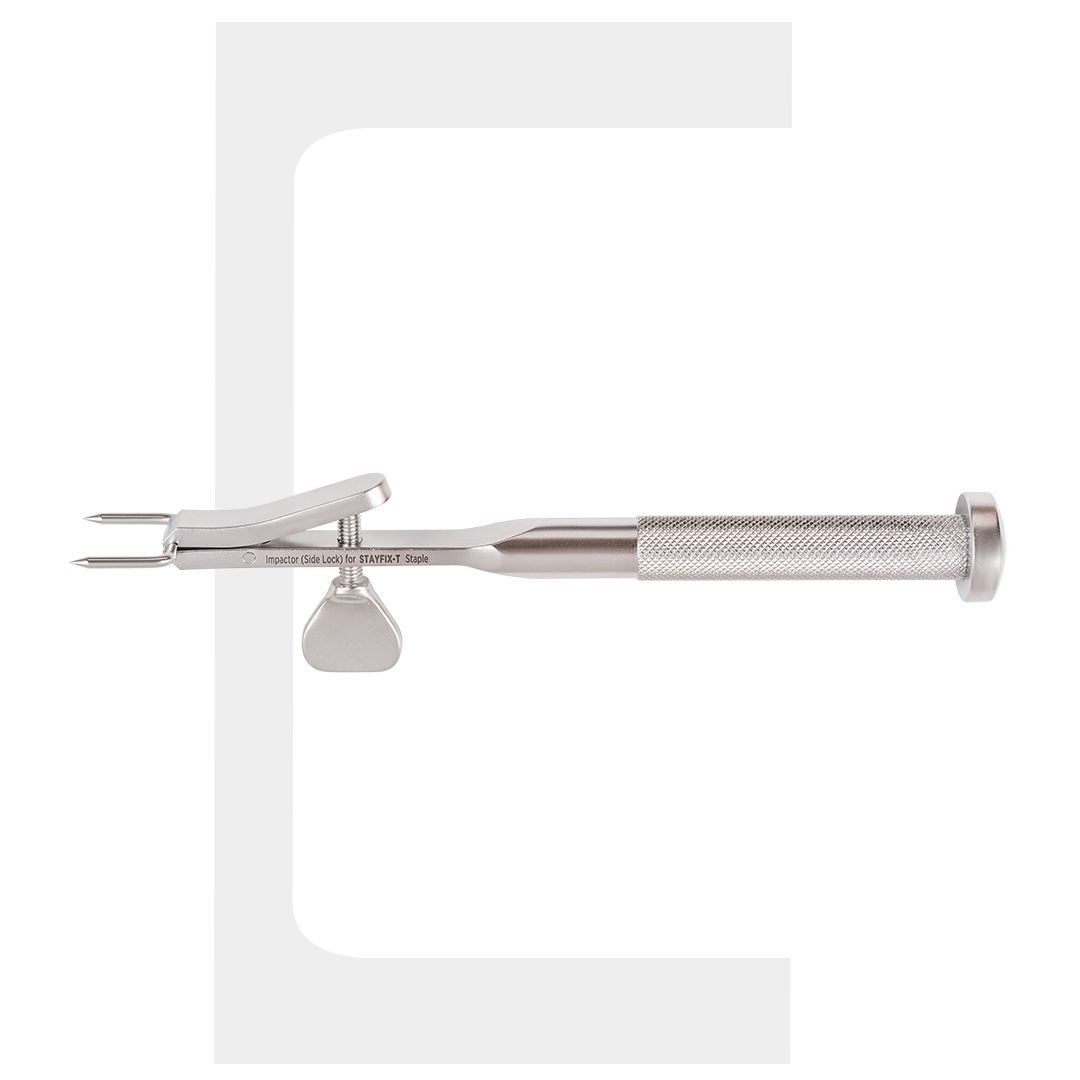
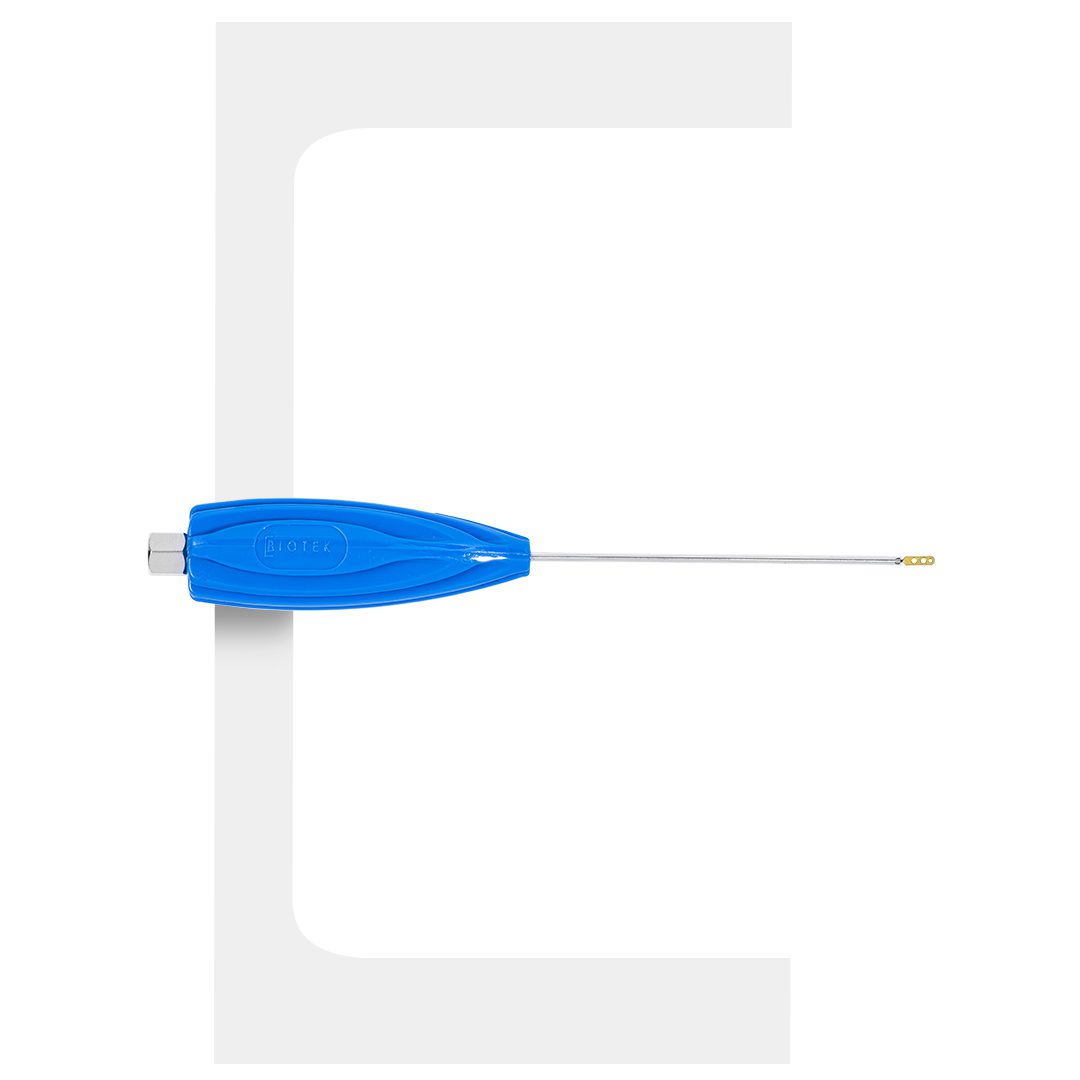
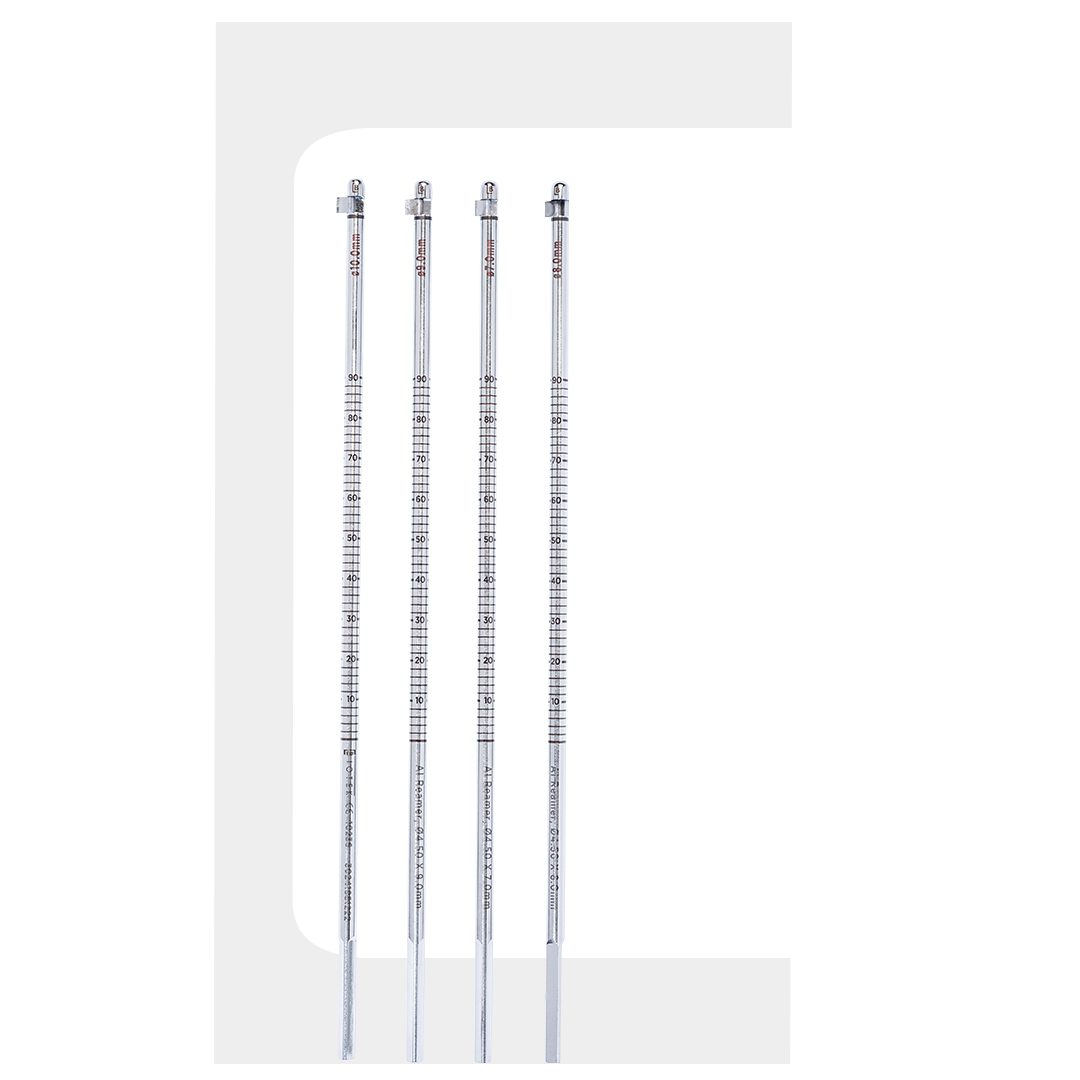
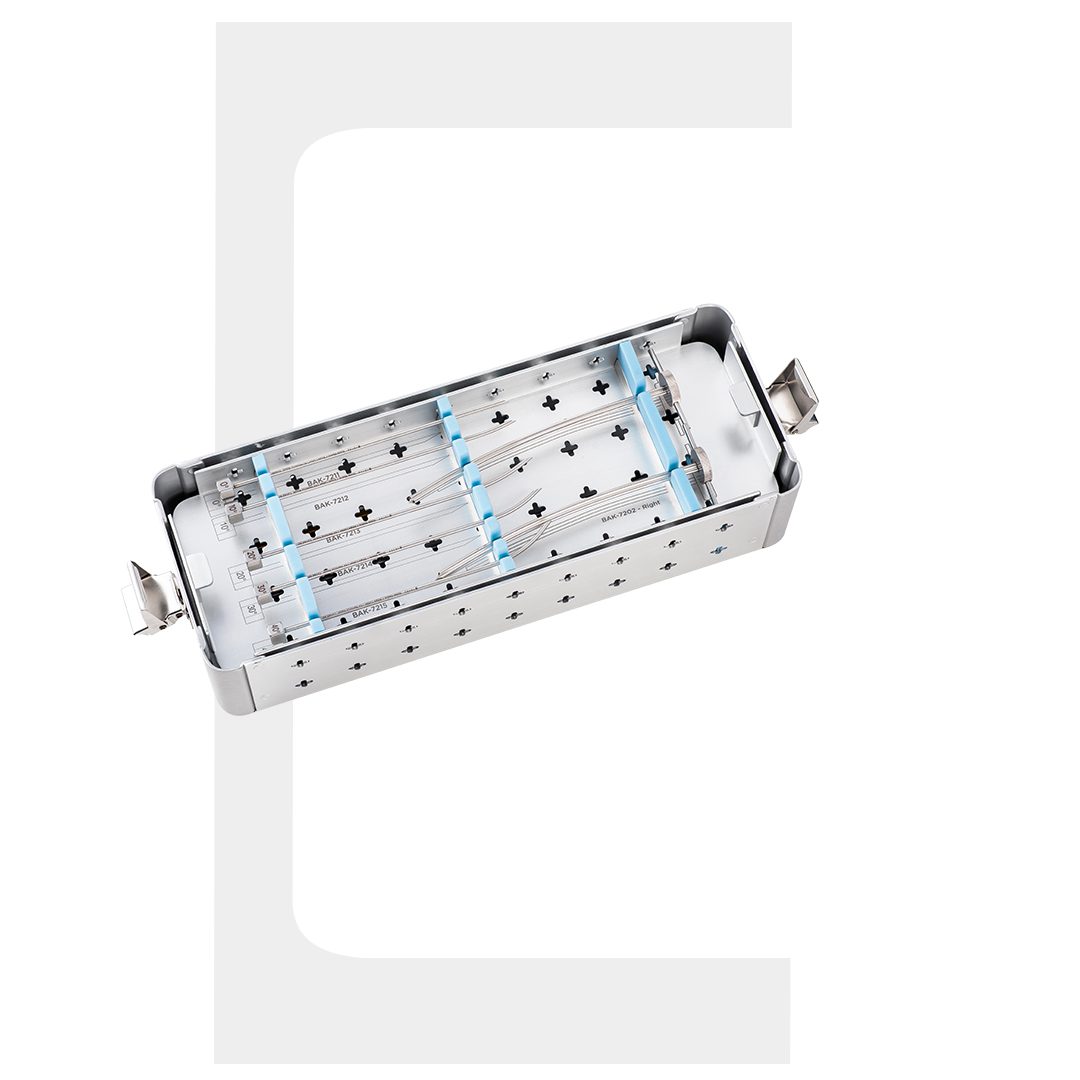
Beyond the implant itself, the instruments used for knee arthroscopy are critical to a safe and effective repair.
Standard arthroscopic meniscus repair requires:
- Arthroscope – camera for intra-joint visualization
- Cannulas – access portals for surgical tools
- Probes & rasps – for tear assessment and tissue bed preparation
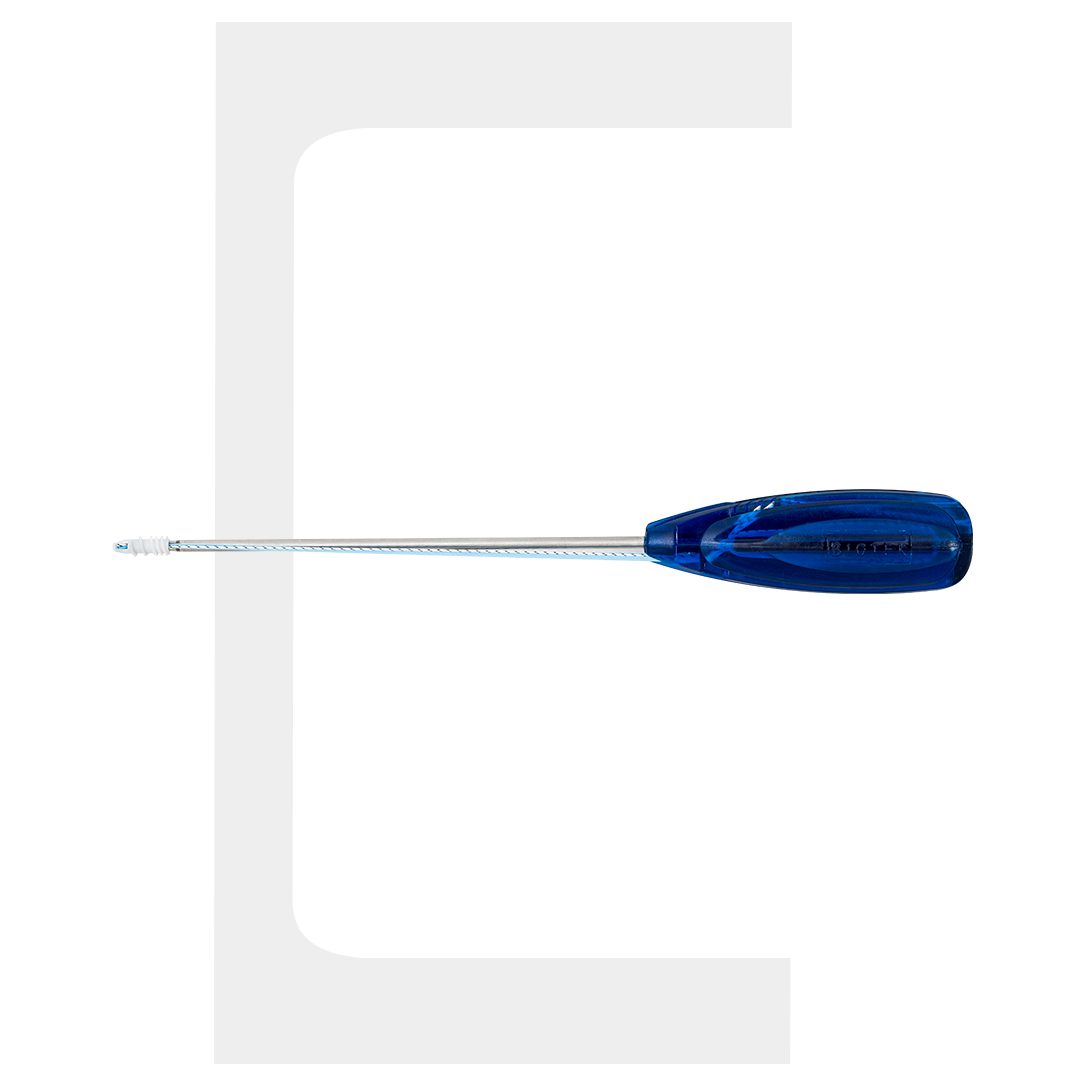
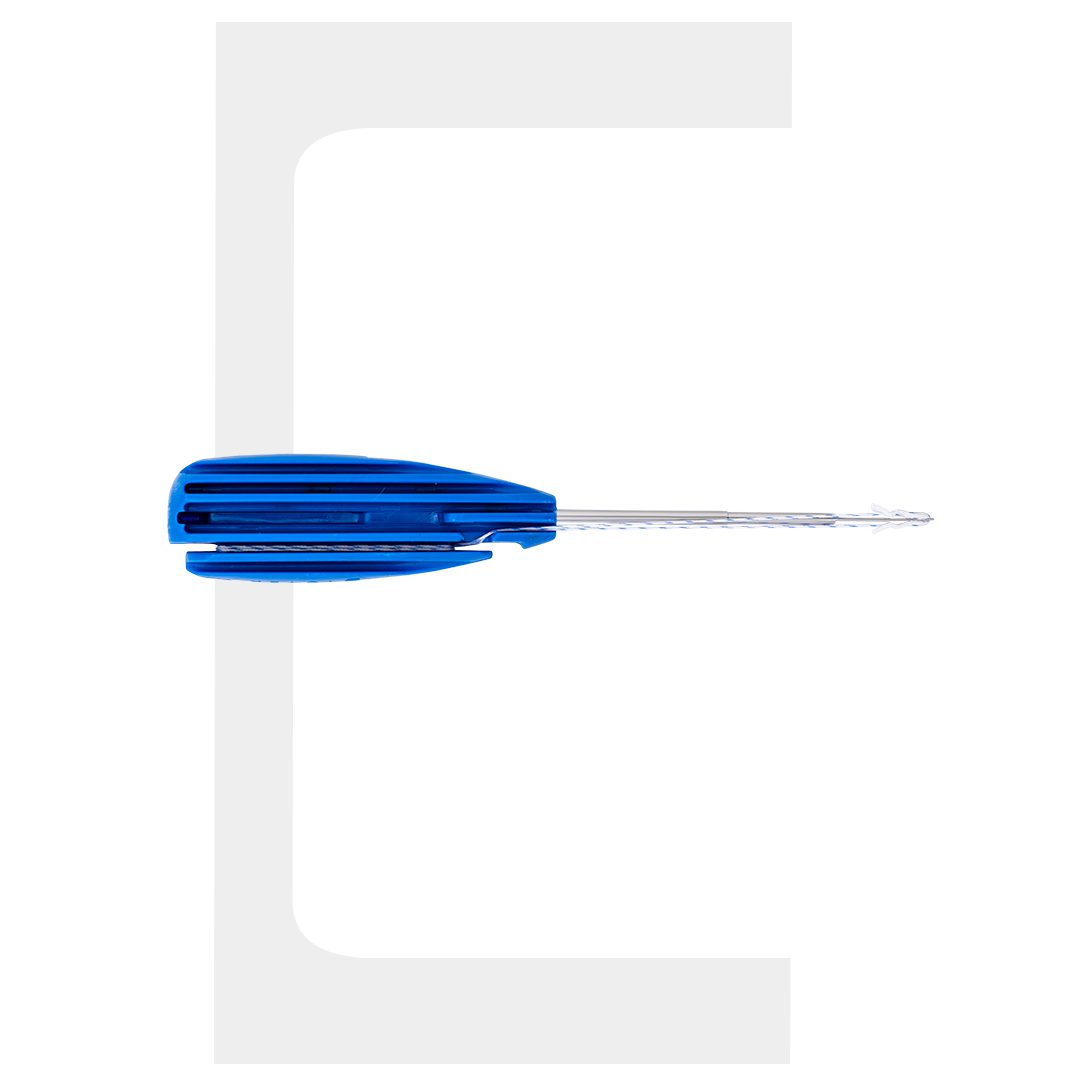
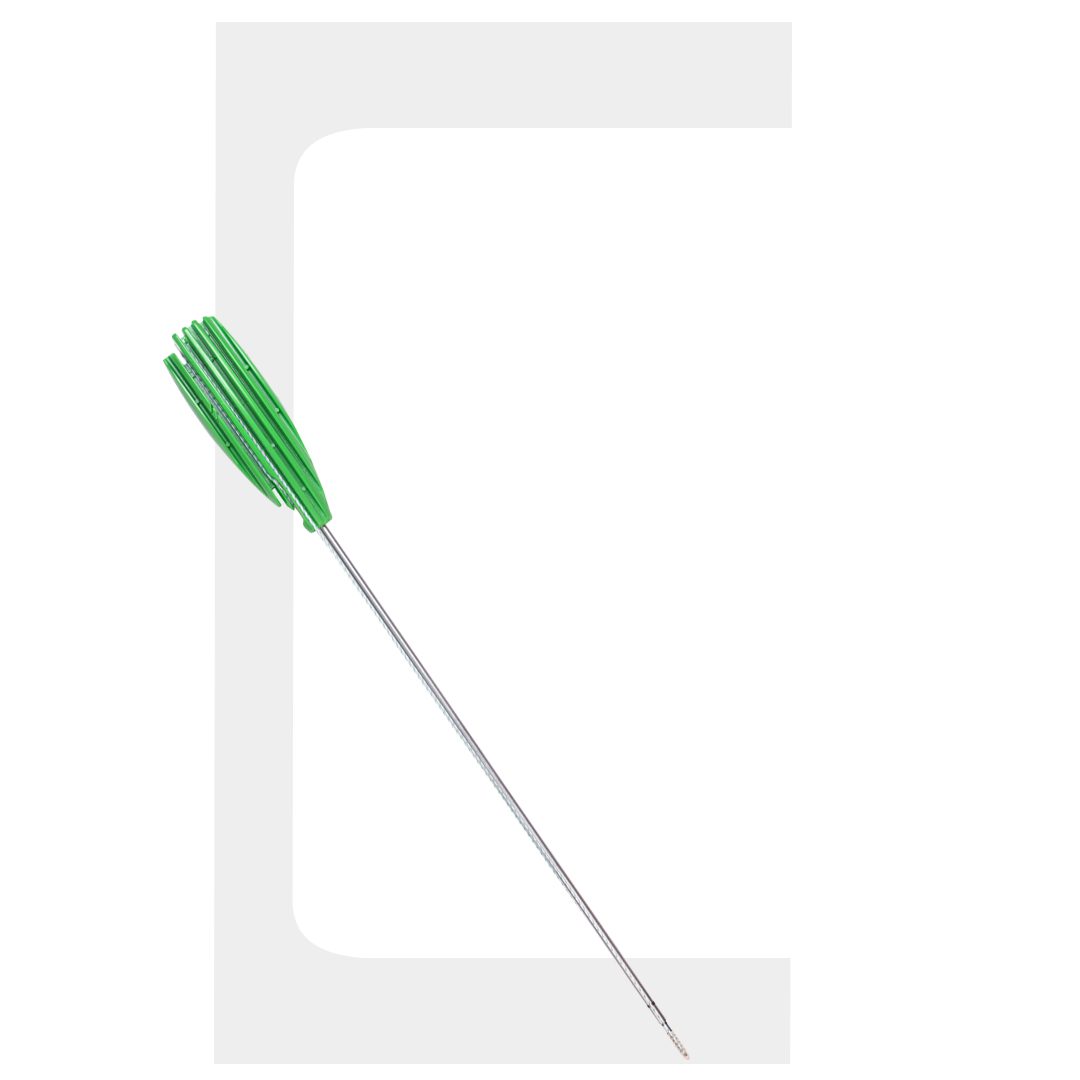
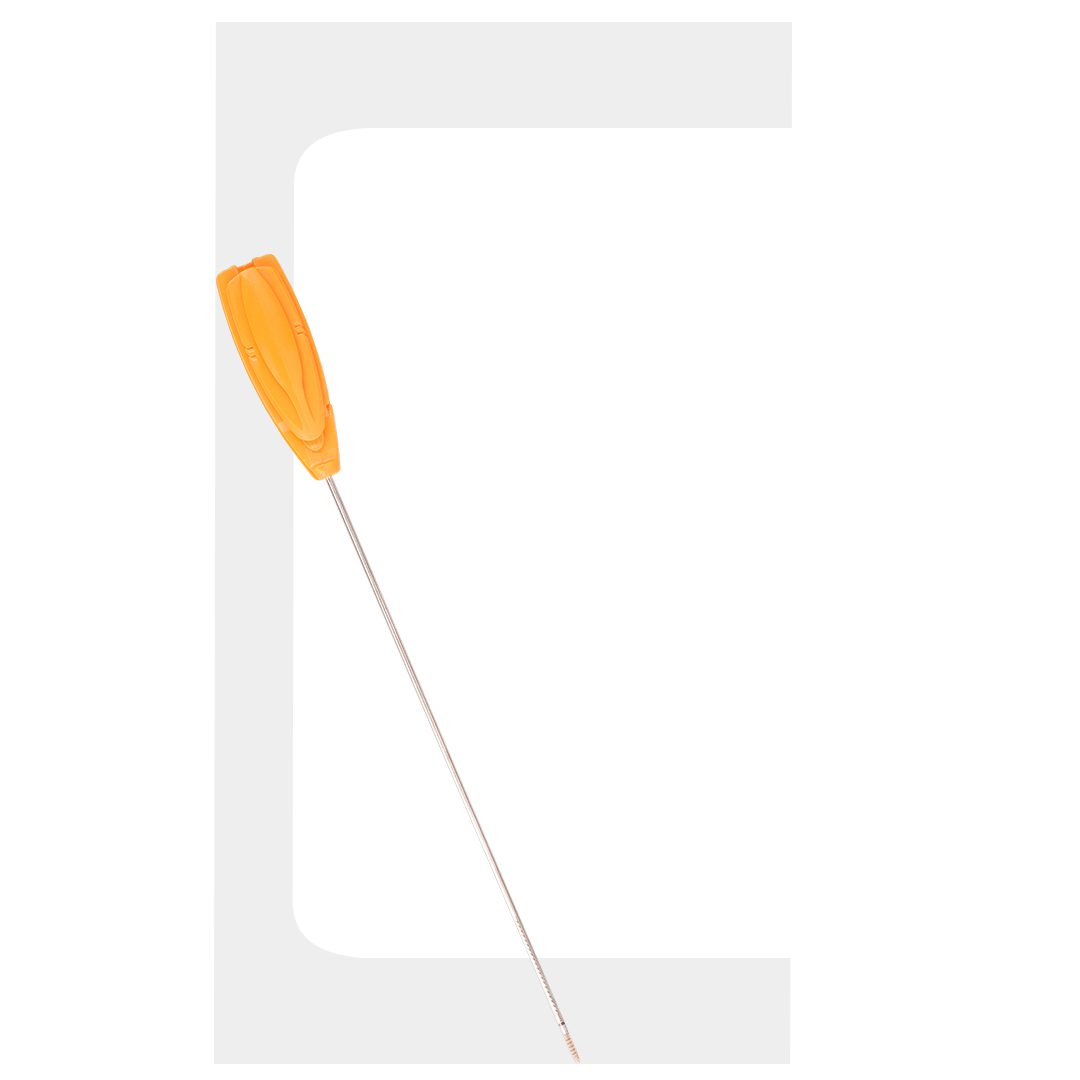
- Implant delivery system – for precise device deployment
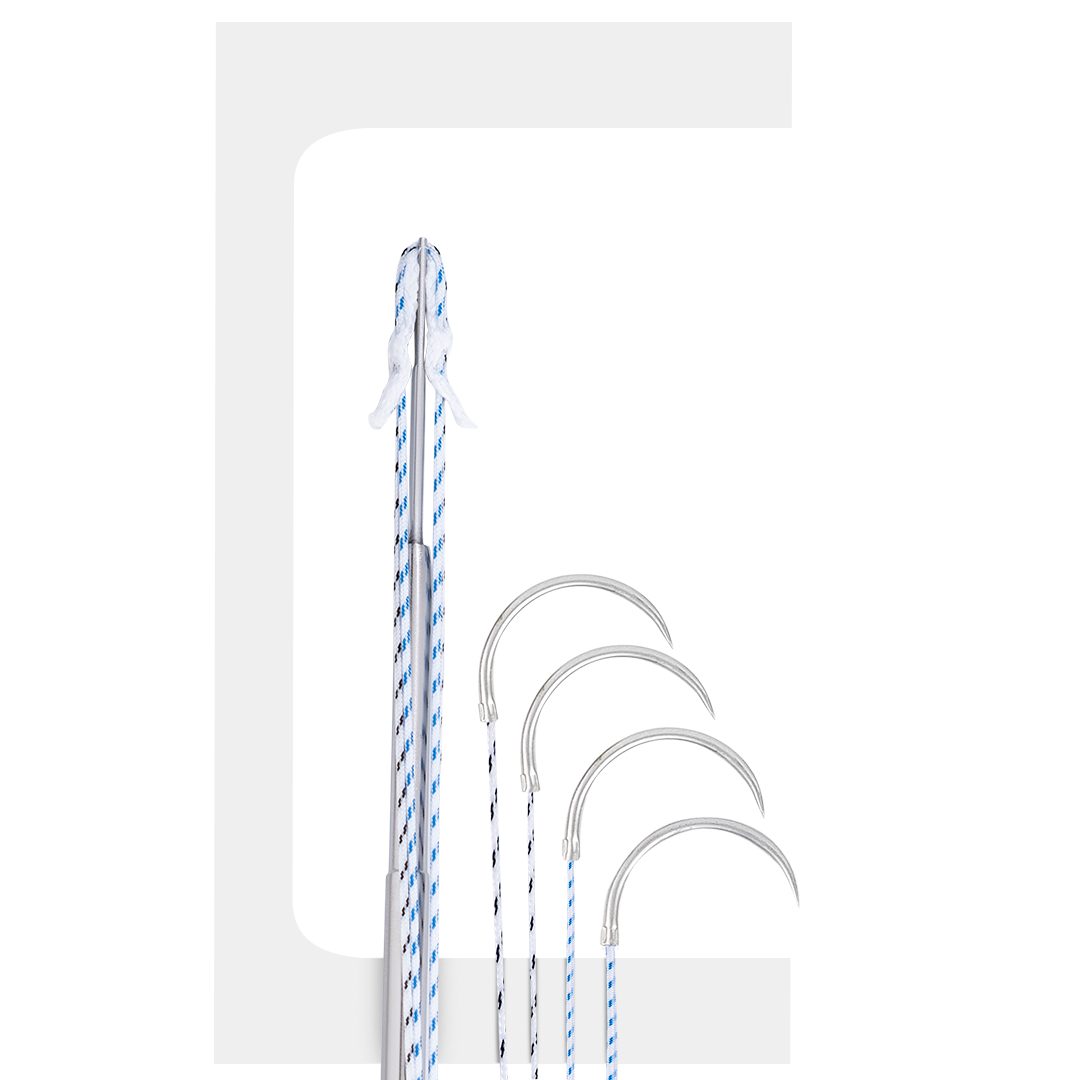
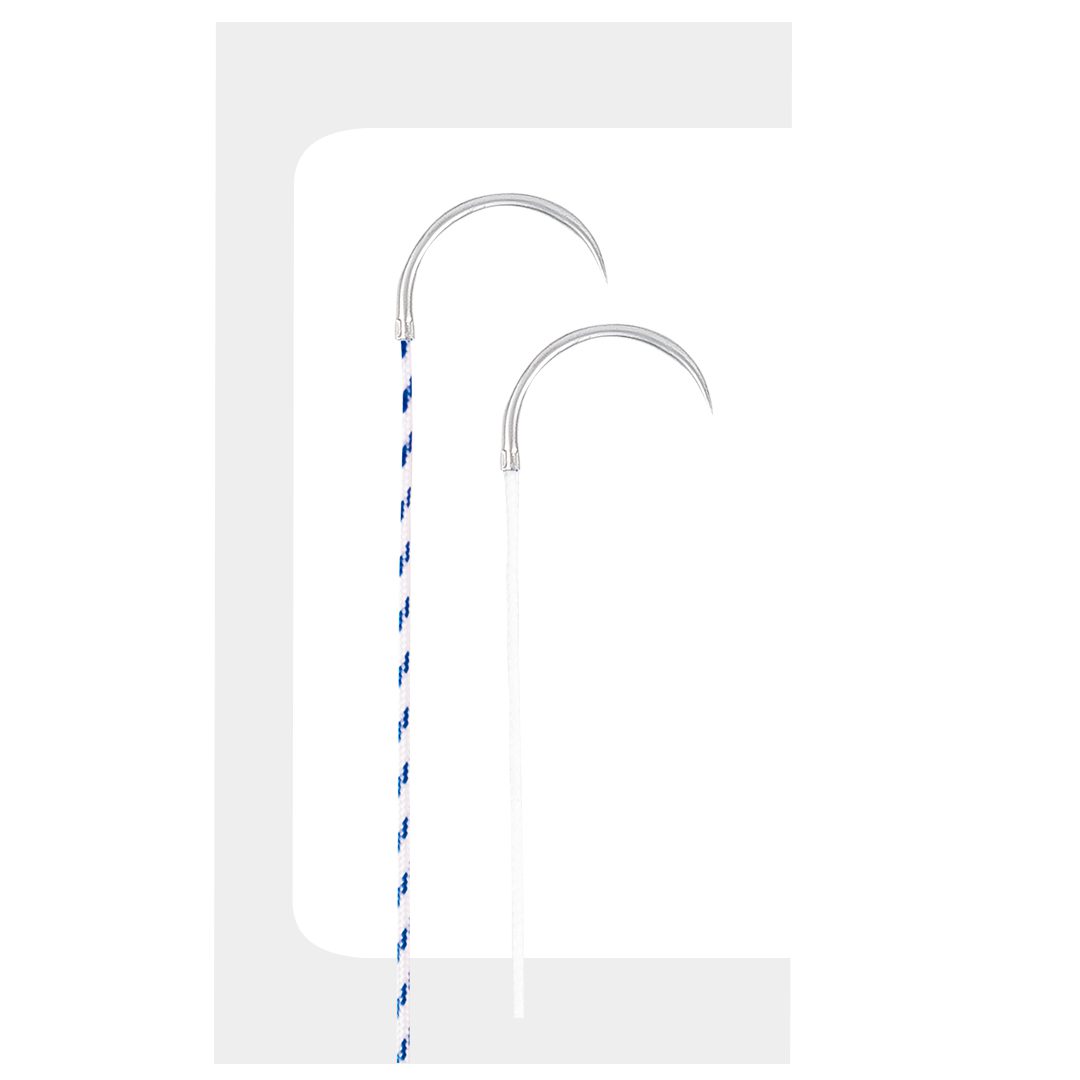
- Suture passers – to thread fixation sutures through meniscal tissue
- Shaver system – for debridement and joint preparation
Surgical Techniques for Meniscal Repair
Surgeons choose from three main approaches based on tear location and complexity:
- Inside-Out: Strong fixation for mid-body and posterior tears; requires a small accessory incision
- Outside-In: Ideal for anterior horn tears; excellent suture control
- All-Inside: Most common today – fully arthroscopic, minimal incisions, faster recovery
All-inside meniscal repair systems have made repair accessible for a wider range of tear patterns and are
associated with reduced operative time and post operative morbidity.
Outcomes: What to Expect
Studies consistently report 70 – 90% success rates with this treatment. Key outcome predictors include tear
location (vascular red-red zone heals best), patient age, tear pattern, and implant quality. Patients who
undergo successful repair report significantly lower rates of early-onset osteoarthritis compared to those
who had a meniscectomy, along with better long-term function scores.
Most patients fully return to sport within 4 – 6 months after surgery with proper rehabilitation.
Frequently Asked Questions
Q: What is the difference between meniscus repair and meniscectomy?
Q: Are meniscus repair implants permanent?
Q: What is the success rate of meniscus repair?
Q: How long before returning to sport?
Q: What makes a reliable implant for meniscus surgery?
Conclusion
Modern meniscus repair implants and meniscal repair systems have transformed outcomes for patients with meniscal tears. By preserving native tissue, using quality instruments for knee arthroscopy, and selecting the right implant type for each patient, surgeons can deliver durable, long-lasting results. Explore Biotek Ortho’s full range of reliable implants for meniscus surgery at biotekortho.com.